Roofing Cost Calculator
Cost EstimatorEstimate the full cost to replace your roof — from budget asphalt shingles to premium metal or slate, with tear-off included.
Your Measurements
Measure the floor plan area — pitch factor is applied automatically
Steeper roofs require more material and specialized labor
IRC limits asphalt roofs to 2 total layers
Each chimney or skylight adds ~$500–$800 in flashing labor
Roofing Material Selection Guide
The roofing market offers a wide range of materials with very different material lifespans, maintenance requirements, and price points. Architectural asphalt shingles are by far the most popular choice, with manufacturer warranties ranging from 20–30 years (3-tab) / 30–50 years (architectural) depending on grade. For homeowners seeking a lifetime roof solution, metal standing seam systems last 40–70 years with minimal maintenance and superior wind and hail resistance. All roofing materials in the US are priced by the "square" — 100 sq ft. Material orders include a 10–15% overage for hips, valleys, ridge caps, and waste at cuts.
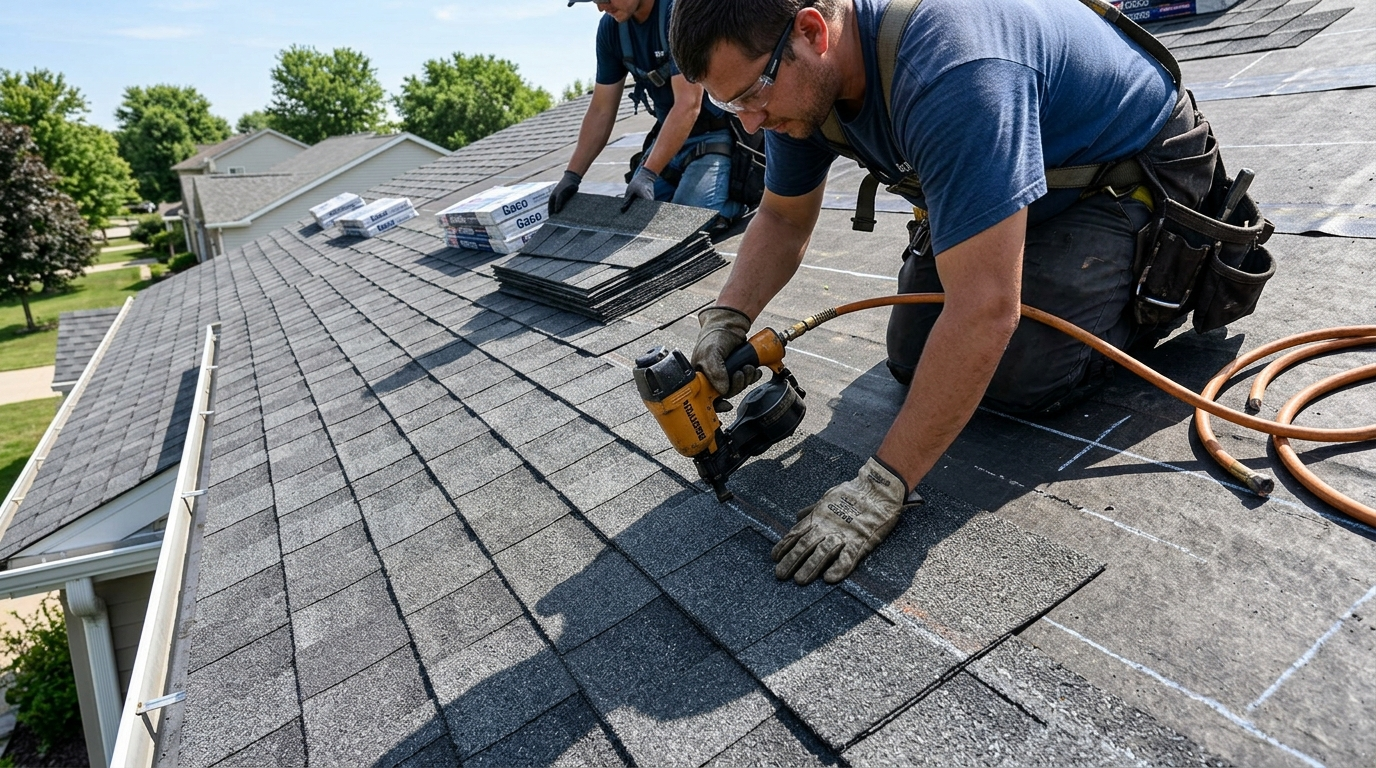
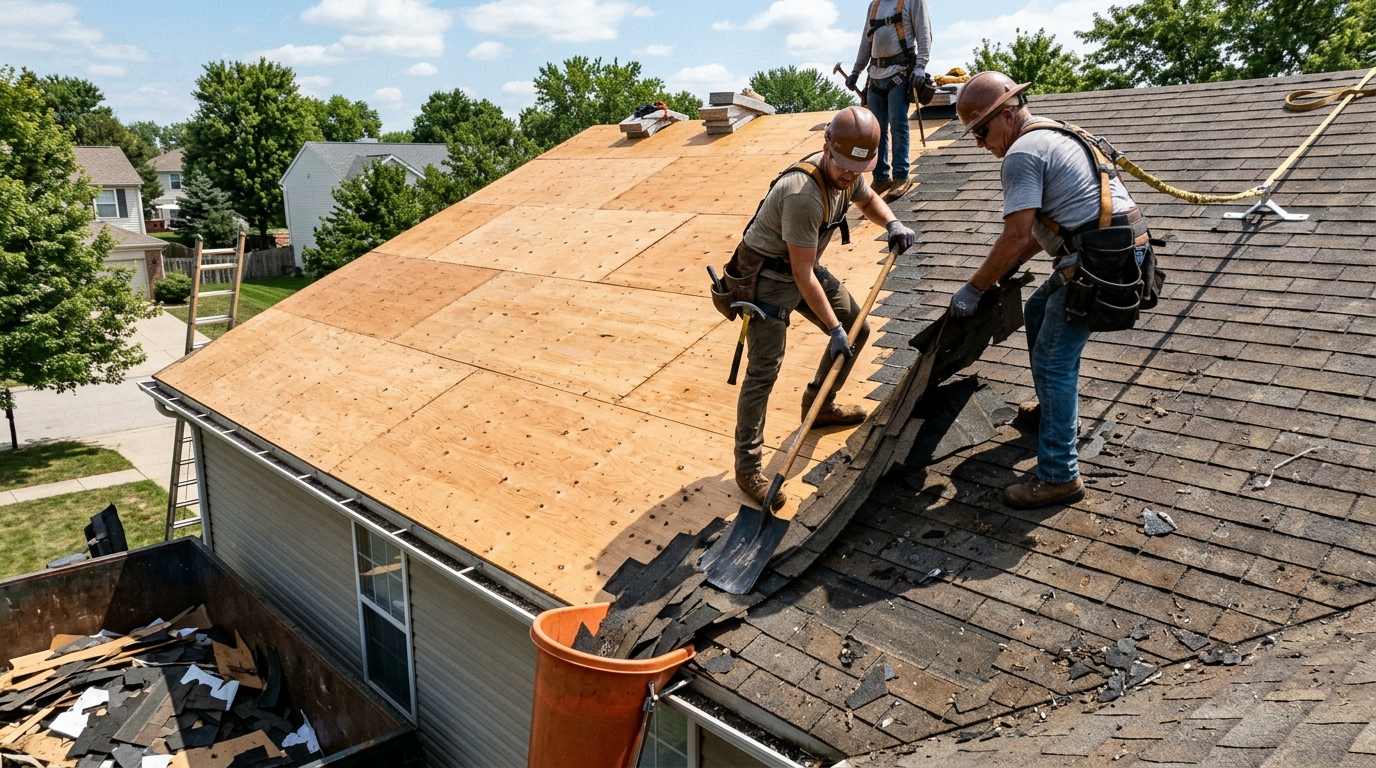
Tear-Off, Underlayment & Code Compliance
Under the International Residential Code, a maximum of 2 layers of asphalt shingles are allowed. A third layer is prohibited and requires a complete tear-off before new material can be installed. While overlaying saves roughly 25% on labor, it adds 1,500–3,000 lbs to the structure and prevents inspection of the decking for rot, moisture damage, or structural issues. Every new roof must use a minimum 15 lb felt / ASTM D226 Type I minimum underlayment under IRC Section R905.2.3. In cold climates, self-adhering polymer-modified bitumen ice-and-water shield is additionally required for the first 24 inches from the eave line.
Regulatory Building Standards — UL 2390 / ASTM D3161 Class F
Cited StandardNot all roofing shingles are rated equally for wind resistance. ASTM D3161 Class F shingles are tested to withstand 110 MPH winds — the minimum required in ENERGY STAR certified products and most standard installation areas. In hurricane-prone coastal regions and wind-borne debris areas, local building codes may require UL 2390 Class H shingles — rated up to Class H — Up to 150 MPH. This higher rating requires specific nailing patterns (6 nails per shingle instead of 4) and closer fastener spacing at eaves and rakes.
Homeowners in Florida, the Gulf Coast, and coastal Carolinas should always verify that their chosen shingle carries both a Class A fire rating and the appropriate wind uplift classification for their county. Many insurers now require proof of wind-rated roofing materials before issuing or renewing homeowners insurance in high-risk wind corridors. Additionally, the Florida Building Code requires Miami-Dade County Notice of Acceptance (NOA) approval for all roofing materials used in the High-Velocity Hurricane Zone.
- •ASTM D3161 Class F shingles must withstand wind speeds of 110 MPH.
- •UL 2390 Class H shingles are rated for wind speeds up to 150 MPH.
- •Fastening in high-wind regions requires 6 nails per shingle.
- •All roofing shingles must carry a Class A fire rating for safety.
Frequently Asked Questions
Technical building code (IRC/ASTM) references and trade-tested guidance for your project.
Three-tab asphalt shingles typically last 20–25 years under normal conditions. Architectural (dimensional) shingles, which are far more common in modern construction, have manufacturer warranties of 30–50 years and are rated for higher wind speeds. Actual lifespan depends on climate, attic ventilation, and installation quality. The NRCA estimates the average US roof is replaced every 20–25 years.
Most US building codes allow a maximum of two layers of asphalt shingles (IRC Section R905.1.1). Installing a third layer is prohibited and voids manufacturer warranties. While overlays cost roughly 25% less (no tear-off labor), they add 1,500–3,000 lbs to the structure, trap heat accelerating the new shingles' aging, and prevent inspection of the decking for rot or damage.
Homeowners insurance generally covers sudden and accidental damage from wind, hail, fire, or fallen trees. It does not cover deterioration from age or lack of maintenance. Coverage depends on your policy (ACV vs. RCV): Actual Cash Value (ACV) pays the depreciated value of your old roof; Replacement Cost Value (RCV) pays the full cost to replace it. Always document storm damage promptly with photographs and file claims within 30–60 days of the event.
Get a minimum of three written quotes covering: tear-off vs. overlay, decking repair (if needed), underlayment type, shingle brand and warranty, flashing replacement (valleys, pipes, chimney), and cleanup. Avoid contractors who offer unusually low bids, request full payment upfront, or pressure you after a storm. Verify contractor licensing and insurance, and check reviews on NRCA's Roofing Contractor Finder.
Related Projects & Standards
Explore adjacent calculations and the construction codes linking these tasks on the job site.
Solar Savings Calculator
Estimate how many solar panels you need and how much you could save on your energy bill.
Open CalculatorRemodeling ROI Calculator
See how much value a home improvement project adds at resale, based on NAR 2025 data.
Open CalculatorHVAC Replacement Cost
Estimate the cost of replacing your HVAC system based on home size and system type.
Open CalculatorRelated Guides & Project Advice
Read our trade-tested analysis, choosing building materials, and budgeting tips related to this calculation.
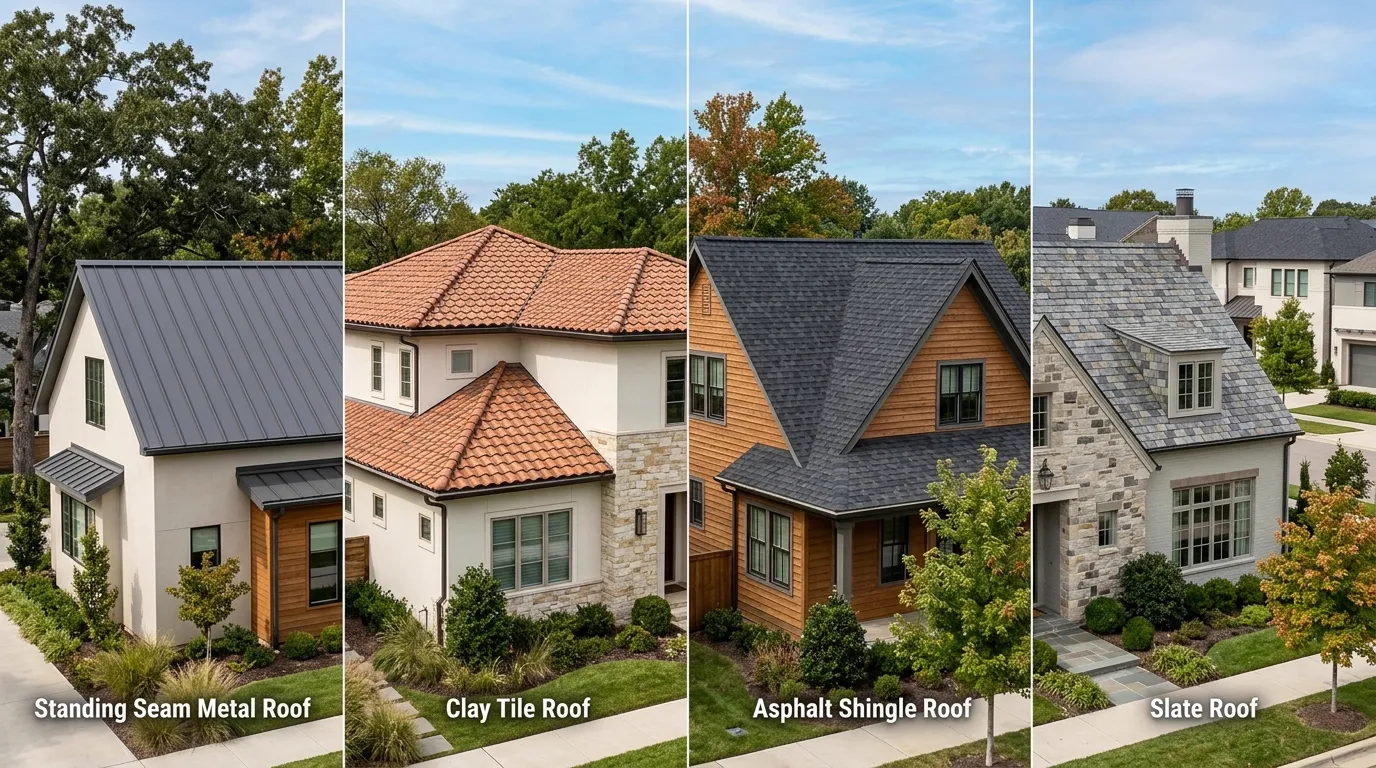
Roof Lifespan by Material: Asphalt, Metal, Tile, and Slate
Asphalt shingles, metal panels, clay tile, and natural slate each fail for different reasons and on different timelines. Here's what actually determines how long each material lasts in real conditions.
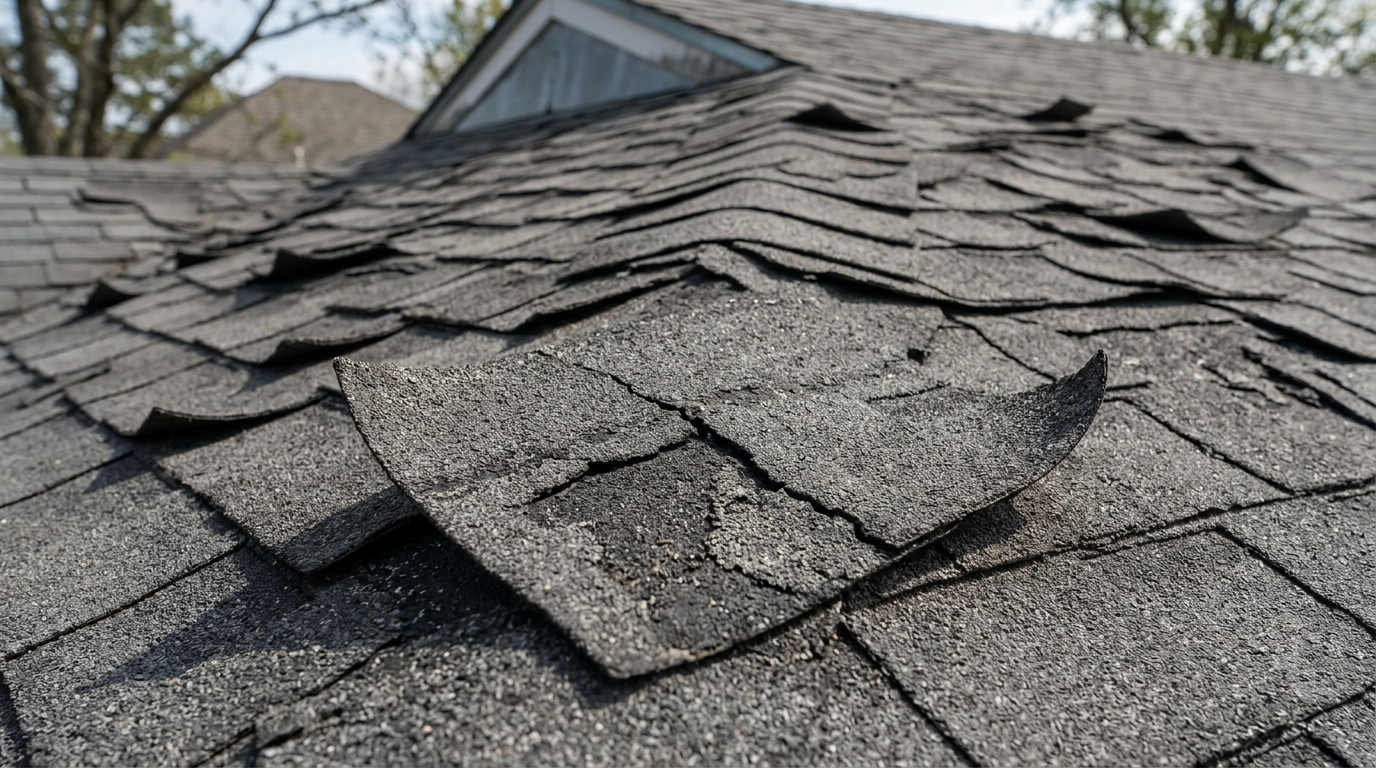
How to Tell If Your Roof Is Actually Failing
Curling shingles, granules in the gutter, light through the attic, learn which warning signs mean a repair can buy you time and which mean the clock has already run out.
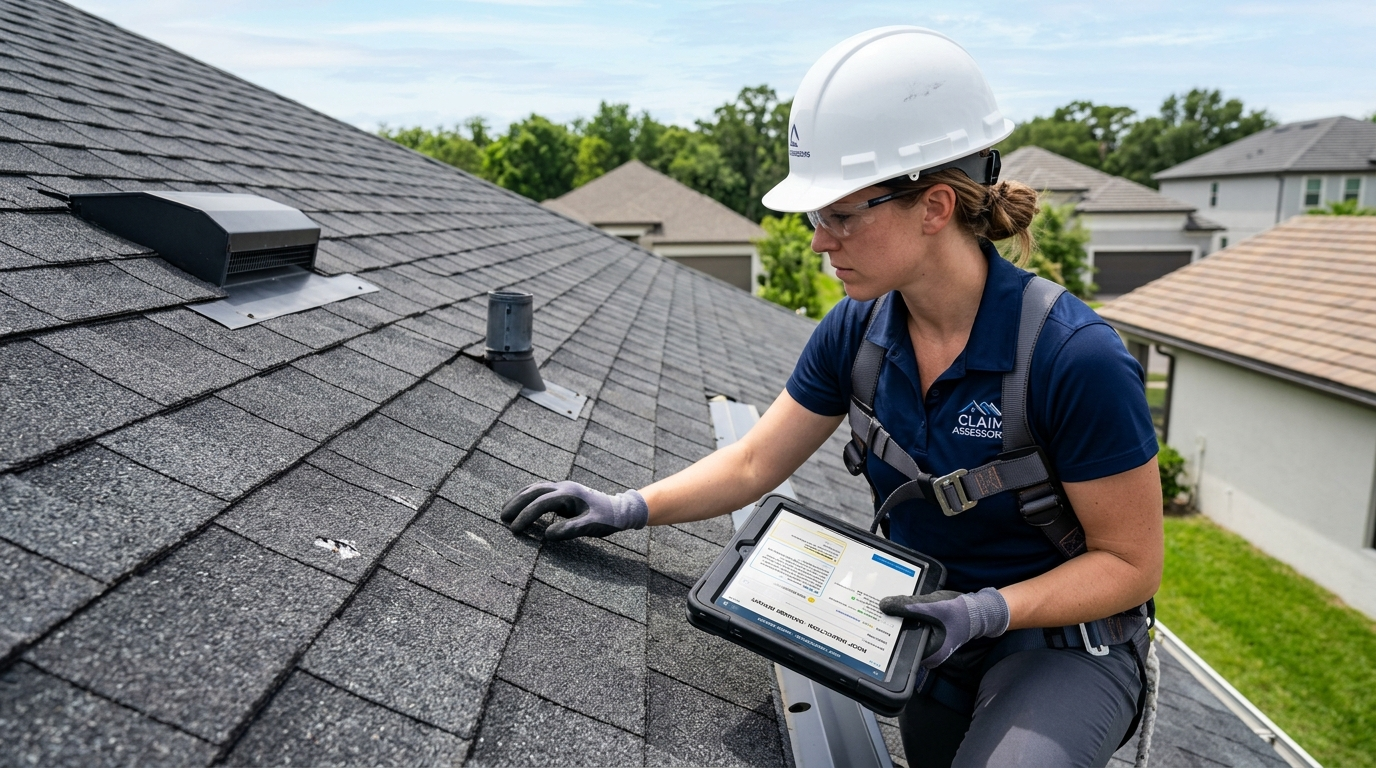
Does Homeowners Insurance Cover Roof Replacement? What's Covered, What's Excluded, and How Claims Work
Standard homeowners insurance covers roof damage from sudden events, hail, wind, fallen trees, but not wear and tear, age, or lack of maintenance. The payout amount depends on whether your policy covers Replacement Cost Value or Actual Cash Value.
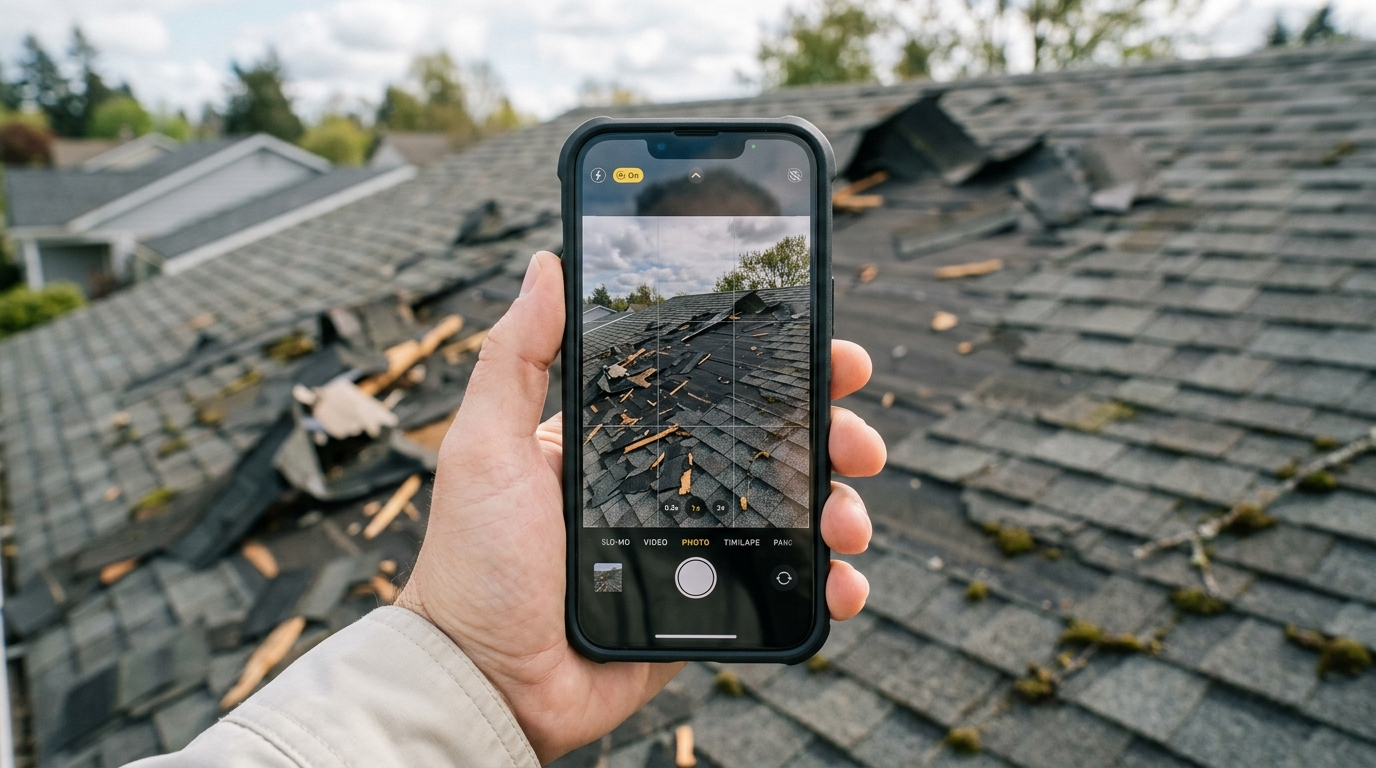
How to Photograph Roof Damage for Insurance Claims (2026 Guide)
Proper documentation can mean the difference between a full payout and a denied claim. Learn what photos to take, angles that matter, and common mistakes that cost thousands.
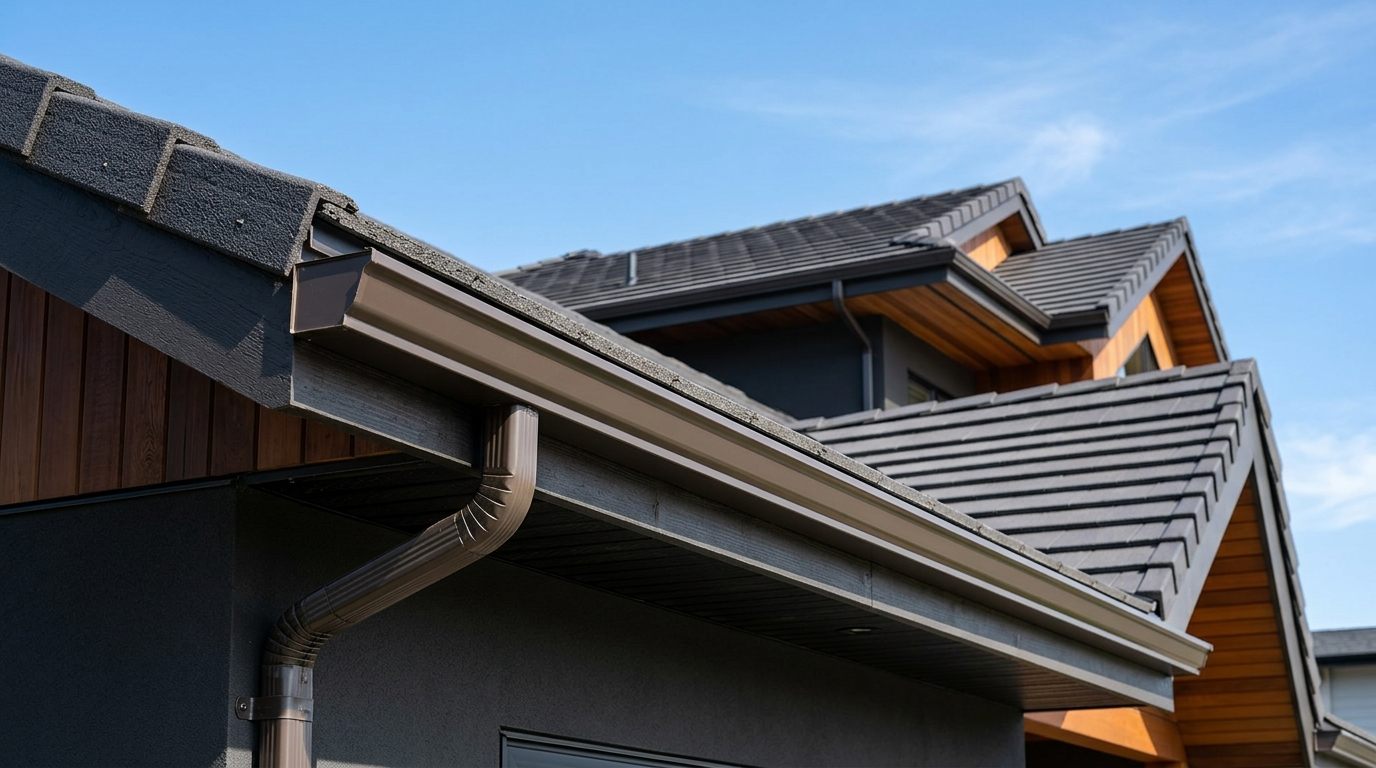
Gutter Replacement Cost: Seamless vs. Sectional and What Else Gets Quoted Separately
Seamless aluminum gutters cost $8–$15 per linear foot installed. The material choice matters less than whether you choose seamless over sectional, and whether fascia condition and downspout count are included in the bid.