Gutter Replacement Cost: Seamless vs. Sectional and What Else Gets Quoted Separately
Seamless aluminum gutters cost $8–$15/LF installed: the standard residential choice. Vinyl is cheaper ($4–$8/LF) but has a shorter lifespan and is more prone to cracking in cold climates. Copper ($25–$40/LF) lasts 50–80 years. Fascia repair, old gutter removal, and gutter guard installation are typically quoted separately, confirm what's included before comparing bids.
Gutters have one job: move water from your roof to a controlled discharge point away from your foundation. When they fail, through sagging, cracking, or joint separation, water discharges where it shouldn't: against the fascia, into the siding, and pooling at the foundation. Foundation water infiltration and fascia rot are among the more expensive home repairs, and gutters are what prevent them.
The primary decision in gutter replacement is between seamless and sectional systems, not between aluminum and copper. The material determines lifespan and cost per foot. The seam structure determines how long the system stays watertight.
Seamless aluminum: $8–$15/LF, 20–30 year lifespan, no mid-run seams. Vinyl: $4–$8/LF, sectional, 10–15 year lifespan. Copper: $25–$40/LF, 50–80 years. A 2,000 SF home typically needs 150–200 linear feet of gutters. Old gutter removal, fascia repair, and downspout extensions are frequently excluded from initial quotes, confirm before comparing bids.
Cost ranges from HomeCalc Pro 2026 installer data. Lifespan estimates per NAHB housing durability guidelines.
What this article covers:
- Seamless vs. sectional: why the difference matters more than material
- Material comparison: vinyl, aluminum, and copper
- Pitch and downspout requirements that affect performance
- Line items frequently missing from initial bids
Seamless vs. Sectional: The Structural Difference
Seamless gutters are custom-fabricated on-site using a roll-forming machine that extrudes continuous lengths of aluminum or copper to the exact length of each roof run. There are no mid-run joints, only end caps and corners. Because joints are the primary failure point in any gutter system, seamless gutters have a significantly lower leak incidence over their service life compared to sectional systems of the same material and age.
Sectional gutters come in standard 10- or 20-foot lengths that are connected with slip joints sealed by silicone or rubber gaskets. The joints expand and contract with temperature changes. Over time, typically 7–12 years, those joints separate or the sealant degrades, creating leak points at every connection. Sectional systems are appropriate for DIY installation and short-term applications where upfront cost is the primary constraint.
Material Comparison: What Each Option Provides
Vinyl ($4–$8/LF): The lowest-cost option. Vinyl doesn't corrode or rust, but it becomes brittle in sustained freezing temperatures and fades with UV exposure. Lifespan is 10–15 years. Typically sold in sectional form; seamless vinyl is less common. Best suited to mild climates where freeze-thaw cycling isn't a factor and cost is the primary consideration.
Seamless aluminum ($8–$15/LF): The standard residential choice. Corrosion-resistant, lightweight, available in a wide range of painted colors (factory paint baked on), and fabricated seamlessly on-site. Lifespan is 20–30 years per NAHB durability data. Handles freeze-thaw cycles well. The correct default choice for most homes.
Copper ($25–$40/LF): The premium option. Copper requires no paint, develops a protective patina over time, and lasts 50–80 years. It's fabricated seamlessly and soldered at joints rather than sealed with silicone, a more durable connection method. Primarily used on historic homes or high-end properties where the aesthetic and longevity justify the cost premium.
Proper Pitch and Downspout Placement
Gutters must slope toward downspouts at a consistent rate, typically 1/4 inch of drop per 10 feet of run, to prevent water from standing in the channel. Standing water promotes mosquito breeding, accelerates gutter corrosion, and adds weight that stresses hanger connections.
Downspout placement is as important as gutter pitch. Downspouts should be spaced no more than 40 feet apart and should discharge at least 4–6 feet away from the foundation. Terminating too close to the house is a primary driver of hydrostatic pressure (see our basement waterproofing cost guide). Extensions and underground drains carry water to safe discharge points. If existing downspouts terminate at the foundation or dump into uncontrolled splash blocks, extended discharge is worth adding during a gutter replacement.
Line Items to Confirm Are in the Bid
- Old gutter removal and disposal: Stripping existing gutters and hauling them away typically adds $200–$500. Some contractors include it; others charge separately.
- Fascia repair: If the wood fascia boards behind the gutters have absorbed water and rotted, they need to be replaced before new gutters attach. Rotted fascia isn't always visible until old gutters are removed. Frequently, gutter issues go hand-in-hand with roof rot; check our roof lifespan guide or budget replacement using our roof replacement cost calculator.
- Downspouts: Most quotes include a standard number of downspouts based on the gutter run. Additional downspouts or extended discharge piping should be quoted separately.
- Gutter guards: Not included in standard gutter replacement quotes. If guards are desired, confirm the type and cost per linear foot at the time of the main bid.
To estimate linear footage and total project cost for your home's perimeter, use our Gutter Cost Calculator.
Research Citations & Verified Authorities
EEAT CompliantTo maintain absolute calculation integrity and trust, the structural lifespans, standard sizes, and pricing models in this guide are gathered from governing construction authorities and verified trade standards.
Recommended Guides
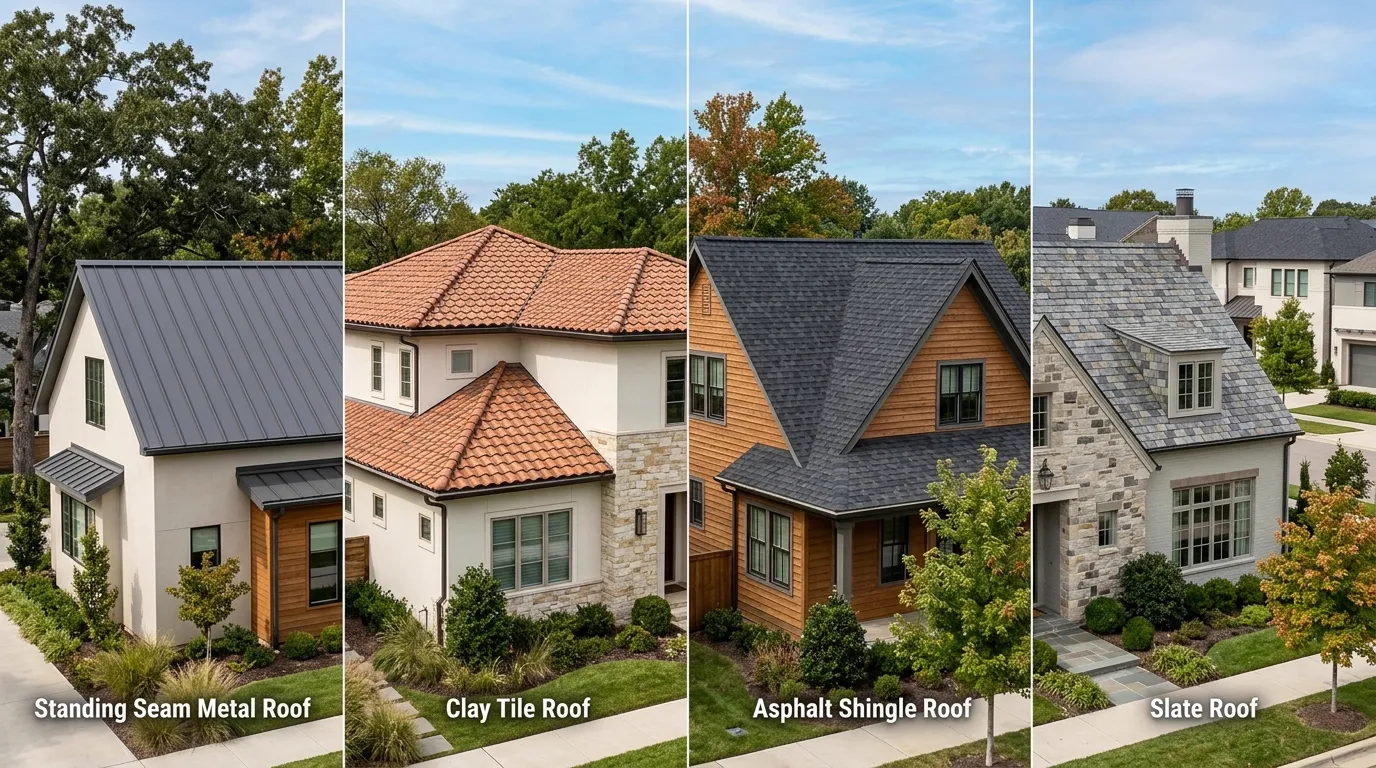
Roof Lifespan by Material: Asphalt, Metal, Tile, and Slate
Asphalt shingles, metal panels, clay tile, and natural slate each fail for different reasons and on different timelines. Here's what actually determines how long each material lasts in real conditions.
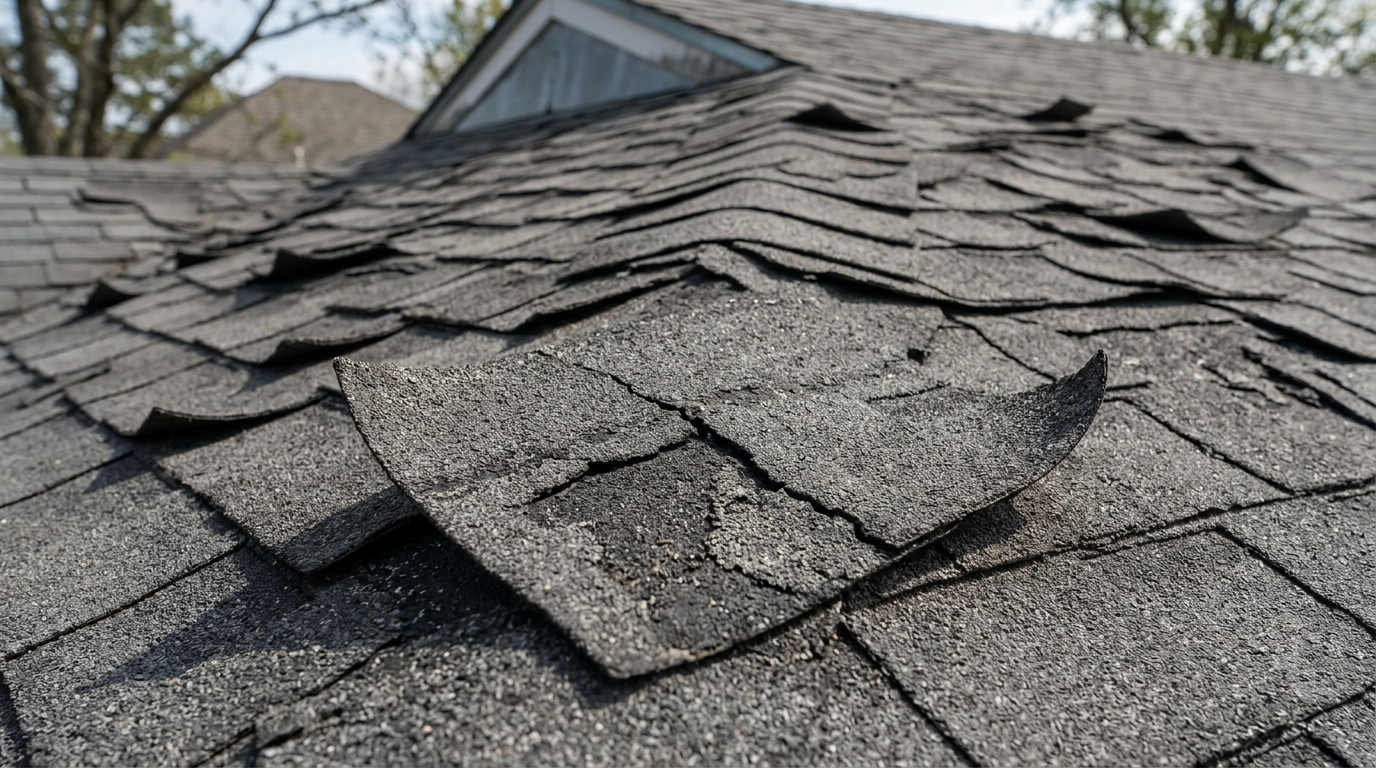
How to Tell If Your Roof Is Actually Failing
Curling shingles, granules in the gutter, light through the attic, learn which warning signs mean a repair can buy you time and which mean the clock has already run out.
HVAC Replacement Cost: System Types, Sizing, and What Moves the Price
HVAC replacement runs $5,000–$14,000 for most homes in 2026. The price depends on system type, capacity, and ductwork condition, not just square footage. Here's what each decision costs.