Roof Lifespan by Material: Asphalt, Metal, Tile, and Slate
Asphalt shingles last 15–30 years under normal conditions; metal panels last 40–70; clay and concrete tile last 50–100; natural slate can last 75 years or more. The gap between manufacturer warranty claims and actual service life is widest for asphalt: "30-year shingles" typically fail between 18–22 years in real conditions. Attic ventilation has more effect on asphalt lifespan than any other single factor after installation quality.
Manufacturer warranties and actual field performance are two different things. The roof material industry markets lifespans under ideal conditions, proper installation, balanced attic ventilation, moderate climate. Most roofs don't operate under all three of those conditions simultaneously, and the gap between the label and reality is widest for the most common material: asphalt.
The material you choose determines both the ceiling (maximum potential life) and the floor (what happens when conditions aren't ideal). Understanding what actually shortens each material's life helps you evaluate bids and ask the right questions before signing a roofing contract.
Per InterNACHI and NAHB housing durability data: asphalt shingles last 15–30 years; metal 40–70; clay/concrete tile 50–100; slate 75+. The single largest factor reducing asphalt lifespan in practice is inadequate attic ventilation, excess heat cooks shingles from below and degrades the deck. For metal, tile, and slate, structural weight and installation quality determine how close to the theoretical maximum you'll reach.
What this article covers:
- What "30-year shingle" warranties actually mean in practice
- The attic ventilation factor that affects asphalt more than any other variable
- Side-by-side comparison across all four major materials
- Four questions to ask before signing a roofing contract
Asphalt: The 15–25 Year Reality Behind the 30-Year Label
Asphalt shingles cover roughly 80% of American homes. They come in three grades:
3-tab shingles are a single-thickness product that runs thin. They're the cheapest option upfront and the first to degrade, typically 15–20 years, faster in high-UV or high-wind environments. Most manufacturers have phased them out of their premium lines.
Architectural (laminated) shingles are multi-layer, dimensionally textured, and rated to higher wind speeds. These are the current standard for residential installations: 15–30 years under normal conditions.
Designer shingles are the heaviest asphalt products, engineered to mimic the look of slate or cedar shake. They cost significantly more than architectural grade but can reach 40 years of service with adequate ventilation and proper installation.
The warrant label, 30-year, 40-year, covers manufacturing defects, not real-world performance. Payouts are prorated, and installation errors (which account for most premature failures) are excluded entirely.
Why Attic Ventilation Matters More Than Shingle Grade
An asphalt shingle roof fails from both directions: UV and weather degrade the surface, while trapped heat from a poorly ventilated attic accelerates degradation from below. An attic that regularly reaches 140–160°F in summer, common in poorly ventilated homes, bakes the shingles' bitumen base and dries out the adhesive strip that holds them sealed.
The NRCA specifies a 1:150 ventilation ratio for cold climates (1 square foot of net free vent area per 150 square feet of attic floor) and 1:300 with balanced intake and exhaust. Before replacing a roof, have a contractor assess your attic's ventilation. (If you need to calculate insulation levels or air leaks, read our attic insulation guide). Installing premium shingles on a poorly ventilated attic produces premium-priced early failure.
Material Comparison at a Glance
| Material | Service Life | Installed Cost / SF | Key Limitation |
|---|---|---|---|
| 3-Tab Asphalt | 15-20 Yrs | $4.50-$5.50 | Low wind resistance |
| Architectural Asphalt | 25-30 Yrs | $5.50-$7.00 | Ventilation-sensitive |
| Standing Seam Metal | 50-70 Yrs | $8.00-$16.00 | High upfront cost |
| Clay / Concrete Tile | 50-100 Yrs | $12.00-$25.00 | Structural weight load |
| Natural Slate | 75-150+ Yrs | $15.00-$35.00 | Specialist repair only |
Lifespan ranges per InterNACHI Life Expectancy Chart and NAHB housing durability data. Cost ranges from HomeCalc Pro 2026 installer data.
Metal: Lifespan Advantage, Weight Advantage, Higher Upfront Cost
Standing seam metal roofs use concealed fasteners: the metal panels interlock without exposed screws, eliminating the rubber-washer failure points found in exposed-fastener corrugated panels. The result is a roof that can reach 40–70 years of service with little maintenance beyond periodic inspection.
Metal roofs also weigh significantly less than tile or slate, roughly 1–3 pounds per square foot versus 9–12 for clay tile, making structural reinforcement unnecessary for most homes. The PVDF (Kynar 500) paint finishes used on premium panels carry 30–40 year warranty against fading and chalking.
The upfront cost is 2–3x architectural asphalt. For homeowners planning to stay 20+ years, the avoided replacement cost of a second asphalt roof often makes metal the more economical choice over that window.
Estimate Your Roof Replacement Cost
Use our free Roof Replacement Cost Calculator to compare installed pricing across materials for your home's square footage.
Tile and Slate: Weight Is the Deciding Factor
Clay and concrete tiles last 50–100 years. They perform well in heat and salt air, making them common in Florida, California, and the Southwest. The constraint is structural: clay tile weighs 9–12 pounds per square foot, compared to 2–4 for asphalt. Before installing tile on a home originally designed for asphalt, a structural engineer should evaluate whether the rafter system can carry the load. This assessment typically costs $400–$800 and is necessary, not optional.
Natural slate is quarried stone: it can outlast the wood framing of the house underneath it, reaching 75–150+ years of service. It's also the most expensive option to install and requires specialty contractors for both initial installation and any future repairs. Individual tiles crack from impact and must be replaced by a trained slate roofer. The material itself is indefinitely durable; the flashing and underlayment beneath it will need attention before the slate itself fails.
Four Questions to Ask Before Signing a Roofing Contract
- Will you replace the drip edge and flashing? Reusing old flashing is the most common source of post-installation leaks. New flashing should be standard in any full replacement.
- How many existing shingle layers will you remove? Installing over two layers is prohibited by most building codes and voids manufacturer warranties. Confirm tear-off is included in the bid.
- What's your cleanup process? Roofing generates thousands of nails. Ask specifically about magnetic nail sweeping and debris hauling, get it in the written contract.
- Are you licensed and insured in this state? Request copies before work begins. A contractor without workers' compensation coverage creates liability exposure for the homeowner if an injury occurs on-site.
To estimate installed cost for your specific roof area and material choice, use our Roof Replacement Cost Calculator.
Research Citations & Verified Authorities
EEAT CompliantTo maintain absolute calculation integrity and trust, the structural lifespans, standard sizes, and pricing models in this guide are gathered from governing construction authorities and verified trade standards.
Recommended Guides
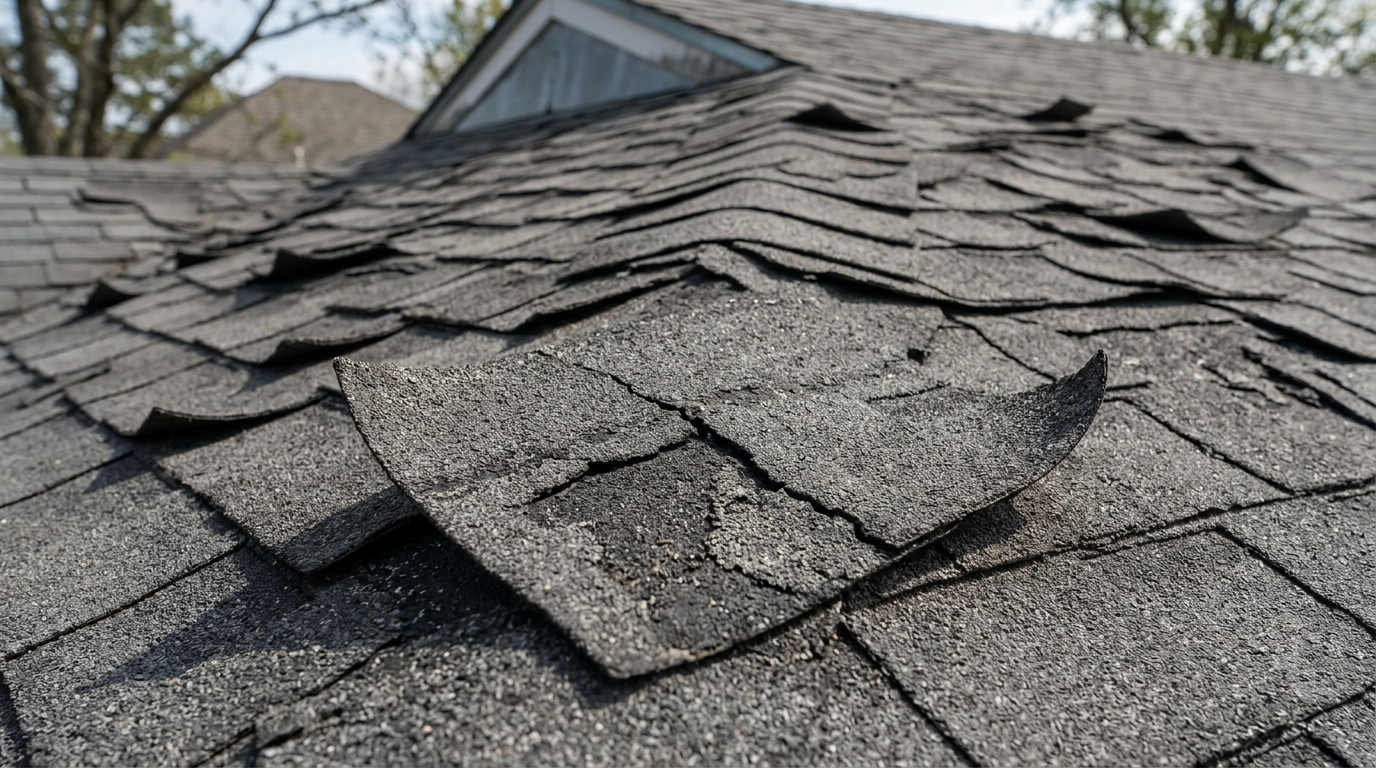
How to Tell If Your Roof Is Actually Failing
Curling shingles, granules in the gutter, light through the attic, learn which warning signs mean a repair can buy you time and which mean the clock has already run out.
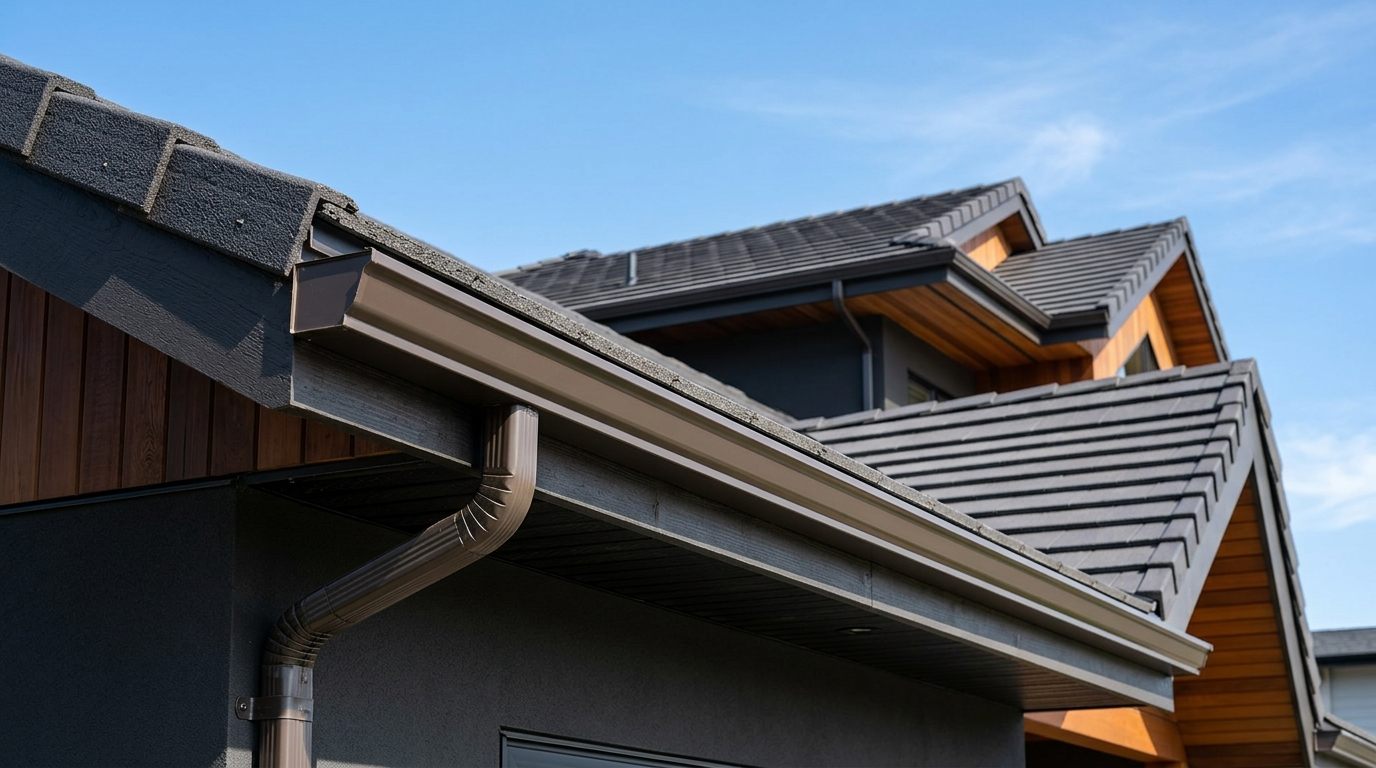
Gutter Replacement Cost: Seamless vs. Sectional and What Else Gets Quoted Separately
Seamless aluminum gutters cost $8–$15 per linear foot installed. The material choice matters less than whether you choose seamless over sectional, and whether fascia condition and downspout count are included in the bid.
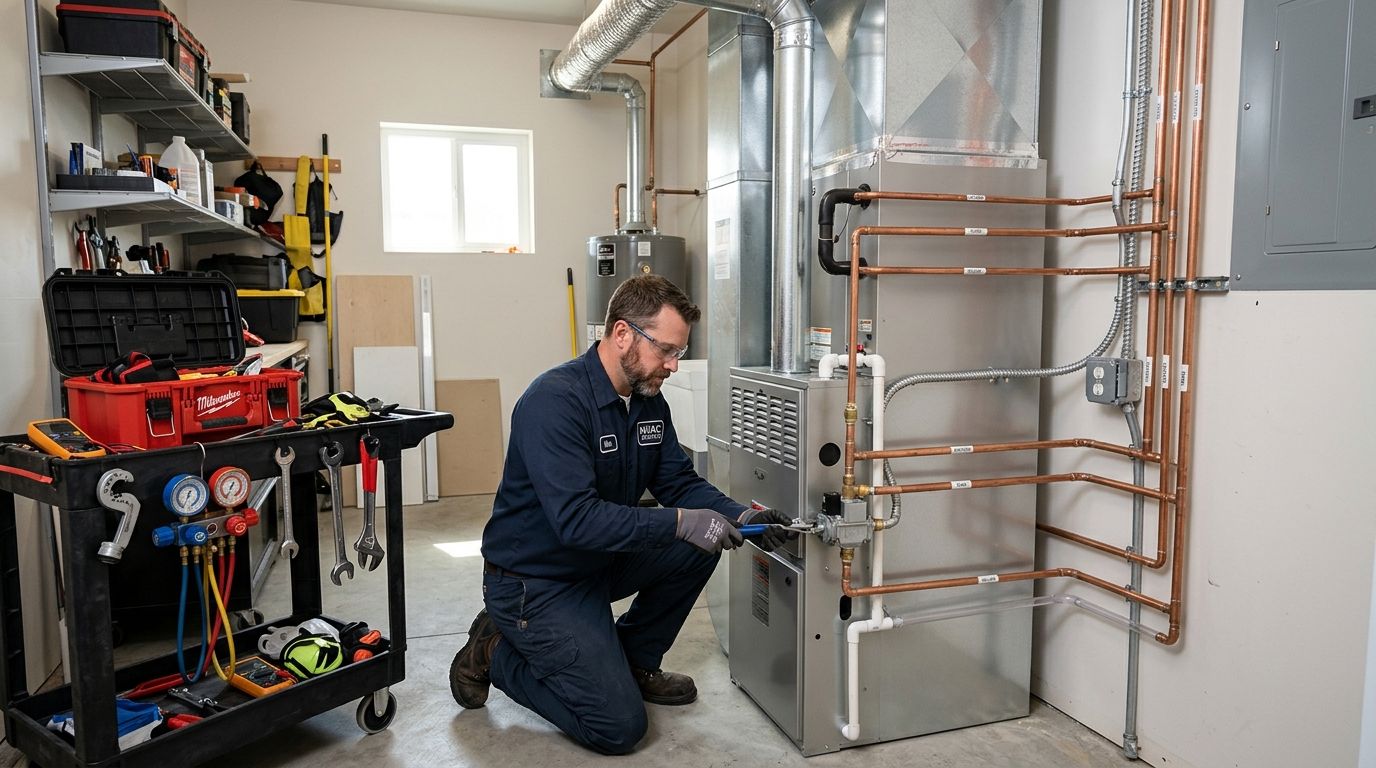
HVAC Replacement Cost: System Types, Sizing, and What Moves the Price
HVAC replacement runs $5,000–$14,000 for most homes in 2026. The price depends on system type, capacity, and ductwork condition, not just square footage. Here's what each decision costs.