HVAC Replacement Cost: System Types, Sizing, and What Moves the Price
HVAC replacement costs $7,500–$12,500 installed on average in 2026. System type (heat pump vs. gas furnace + AC), tonnage capacity, and ductwork condition are the three variables that determine where your project lands in that range. The ACCA Manual J load calculation is the industry-standard method for sizing, any contractor who sizes by square footage alone is not following accepted practice.
HVAC replacement is one of the larger unplanned home expenses, but it's also one where timing and information significantly change the outcome. A homeowner who plans the replacement in spring or fall, obtains three bids, and specifies a properly sized system will spend meaningfully less than one making an emergency decision in a heat wave with one contractor available.
The price difference between those two scenarios can be $2,000–$4,000 on the same equipment. This article covers what determines the price and what to verify before signing.
Average installed cost is $7,500–$12,500. A standard central AC + gas furnace split system runs $7,500–$12,500. A heat pump system (heating and cooling in one unit) runs $7,000–$16,000. Ductwork modification or replacement adds $1,200–$7,500 depending on condition and scope. HVAC emergency premiums run 20–40% above standard scheduling rates.
Cost ranges from HomeCalc Pro 2026 installer data.
What this article covers:
- Cost by system type: split system, heat pump, and ductless mini-split
- Sizing: what Manual J is and why square footage alone isn't sufficient
- The ductwork factor: when existing ducts add to the project cost
- Federal incentives currently available for heat pumps
Cost by System Type
Central AC + gas furnace (split system): $7,500–$12,500 installed. The traditional configuration for most of the country. The outdoor condenser handles cooling; the indoor gas furnace handles heating. Both share the same air handler and ductwork. If only the furnace or only the AC has failed (check our list of signs your AC is dying and learn about SEER efficiency ratings), partial replacement is possible, but matched component replacement is generally recommended for warranty and efficiency reasons.
Electric heat pump system: $7,000–$16,000 installed. A heat pump handles both heating and cooling using a single refrigerant circuit (see our heat pump vs central AC comparison). In heating mode, it extracts heat from outdoor air and moves it inside, a process that delivers more energy than it consumes in moderate temperatures. Heat pumps are most cost-effective in DOE climate zones 3–6, where winter temperatures are moderate. In climate zones 1–2 (Gulf Coast, Florida, Southwest), they are the standard choice. In zones 7–8 (northern climates with extended sub-freezing periods), cold-climate heat pumps or dual-fuel systems are worth evaluating.
Ductless mini-split (3-zone): $8,500–$15,000 installed. Individual wall-mounted air handlers connect to a single outdoor unit. Each zone is controlled independently. The primary use case is homes without existing ductwork, additions, converted garages, older homes where installing duct runs is impractical. Not a replacement for whole-home central systems in most configurations; used most effectively for targeted zone control or ductwork-free spaces.
Estimate Your HVAC Replacement Cost
Use our free HVAC Cost Calculator to estimate equipment and labor costs based on your home's square footage and climate zone.
Sizing Reference by Square Footage
Square footage is a starting point for estimating tonnage, not the final answer. Ceiling height, insulation R-values, window glazing, and local climate data all affect the accurate load calculation. Use this table as a budget-planning reference only.
| Home Area | Approximate Capacity | Cooling Output | Typical Installed Cost |
|---|---|---|---|
| 1,000-1,200 sq ft | 2.0 Tons | 24,000 BTU/hr | $6,000-$8,500 |
| 1,200-1,500 sq ft | 2.5 Tons | 30,000 BTU/hr | $7,200-$9,800 |
| 1,500-1,800 sq ft | 3.0 Tons | 36,000 BTU/hr | $8,500-$11,500 |
| 1,800-2,200 sq ft | 3.5 Tons | 42,000 BTU/hr | $9,800-$13,000 |
| 2,200-2,800 sq ft | 4.0 Tons | 48,000 BTU/hr | $11,000-$14,500 |
Tonnage estimates for planning reference only. Actual sizing requires ACCA Manual J load calculation.
Manual J: The Sizing Standard and Why It Matters
The ACCA Manual J Residential Load Calculation is the industry-accepted method for determining what size HVAC system a specific home requires. It accounts for floor area, ceiling height, insulation values (wall, attic, and floor), window area and glazing type, local climate data, home orientation, and internal heat gains from occupants and appliances.
An oversized system short-cycles: it reaches setpoint quickly, shuts off, then restarts soon after. Short-cycling causes compressor wear, reduces the system's ability to dehumidify (which requires sustained runtime), and results in higher electricity consumption relative to a correctly sized unit. An undersized system runs continuously at peak conditions and fails to maintain setpoint on the hottest days.
A contractor who quotes a system size based solely on square footage, or on matching the size of the existing unit, is not following ACCA methodology. Request a written Manual J calculation as a condition of any bid you're considering seriously.
Ductwork: The Hidden Cost That Changes the Project
Ductwork condition determines whether your new equipment performs at its rated efficiency. Leaky ducts allow conditioned air to escape into unconditioned spaces, attics, crawlspaces, wall cavities, before it reaches living areas.
If your home already has ductwork, a duct leakage test (blower door test for ducts, or a duct blaster test) can quantify losses before you commit to a replacement. If leakage is significant, sealing and balancing the duct system typically runs $1,200–$2,500 depending on access and duct linear footage.
Homes without existing ductwork, common in homes with boiler heating, older wall-unit systems, or spaces being added onto the main system, require new duct installation at $3,000–$7,500 depending on home size and layout complexity.
Federal Incentives Currently Available
The Inflation Reduction Act's Energy Efficient Home Improvement Credit (25C) provides a federal tax credit of up to $2,000 for qualifying heat pump systems installed in your primary residence. The credit applies to electric heat pumps that meet ENERGY STAR efficiency requirements. Income limits do not apply to 25C.
Confirm current eligibility at energystar.gov or with a tax professional, incentive structures can change between tax years. State-level rebates for heat pump installation are also available in many states; the DSIRE database (dsireusa.org) lists current programs by state.
Four Questions to Ask Every HVAC Contractor
- Will you perform a Manual J load calculation? The standard answer is yes. If the response is that they'll match the existing equipment size or estimate from square footage alone, that's not industry-standard practice.
- Are your technicians NATE-certified? North American Technician Excellence (NATE) certification is the leading HVAC technician credential. It's not required in most states, but it indicates demonstrated competency.
- What warranties are included? Standard for new equipment is a 10-year manufacturer parts warranty and a minimum 1-year labor warranty from the installer. Confirm both are in the written contract.
- Are permit fees included in the quote? Most jurisdictions require permits for HVAC replacement. If the bid doesn't address permits, ask whether they're included or if you'll be invoiced separately.
Use our HVAC Cost Calculator to estimate installed cost based on your home's square footage and system type before requesting bids.
Research Citations & Verified Authorities
EEAT CompliantTo maintain absolute calculation integrity and trust, the structural lifespans, standard sizes, and pricing models in this guide are gathered from governing construction authorities and verified trade standards.
Recommended Guides
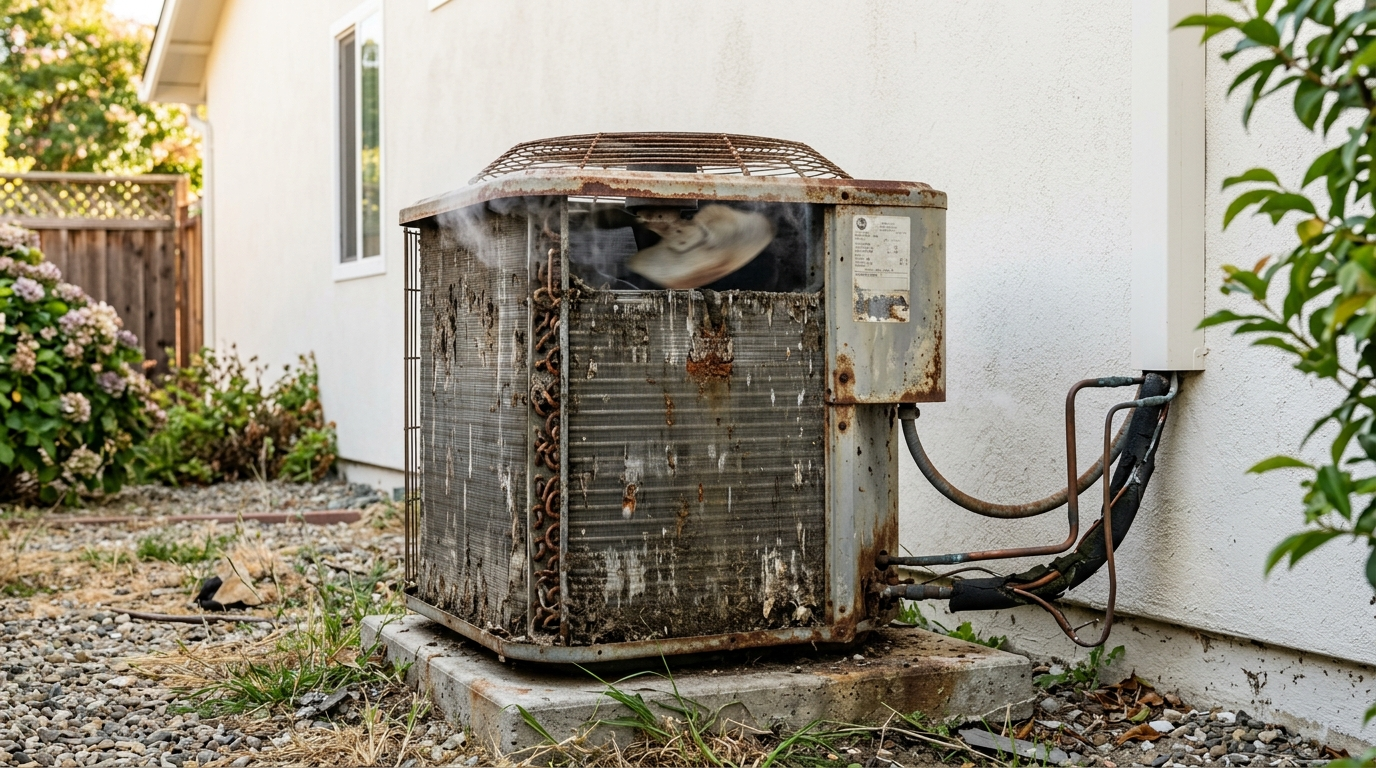
Is Your AC Failing or Just Having a Bad Day? How to Tell the Difference
Frozen coils, short-cycling, and a bill that jumped 30%: some of these are cheap fixes, others mean the system is done. Here's how to read the symptoms before calling anyone.
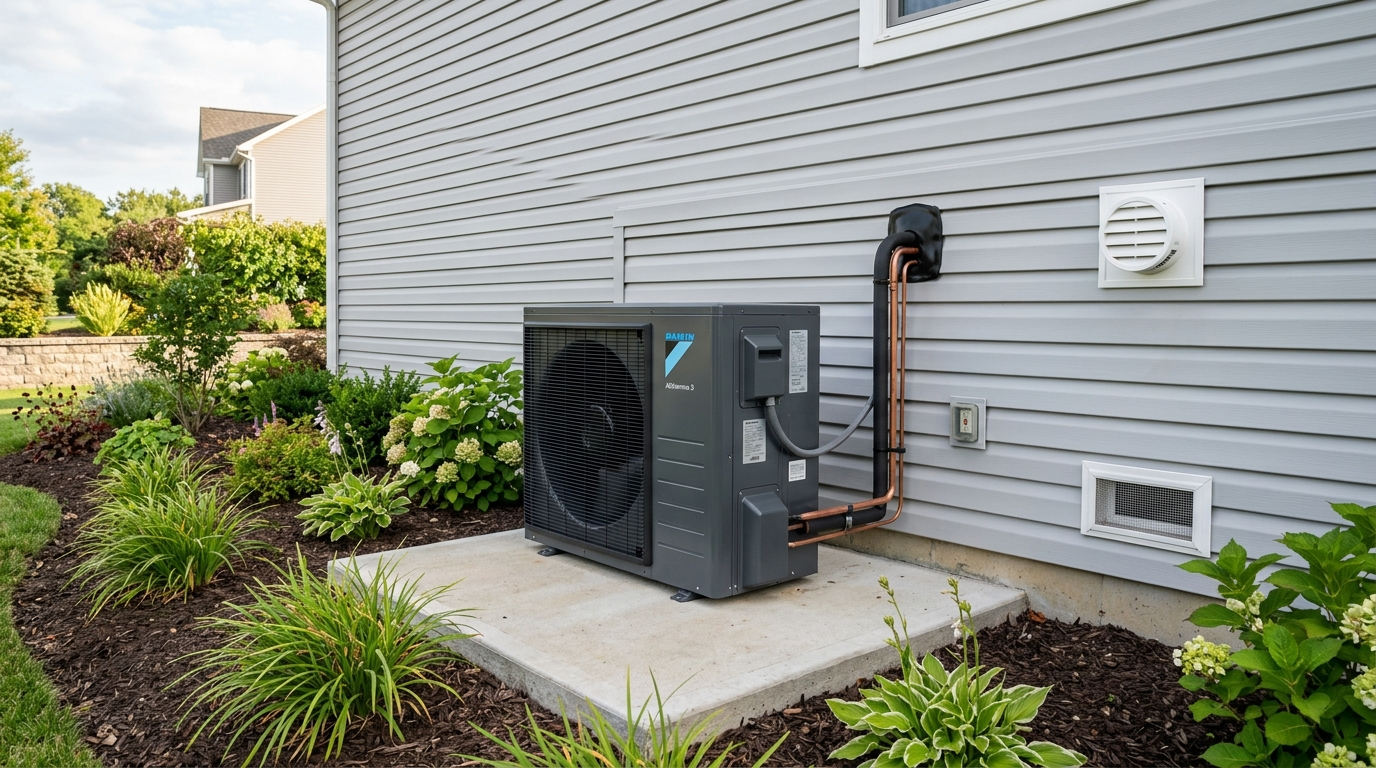
Heat Pump vs. Central AC: The Decision That Depends on Where You Live
Heat pumps and central ACs look nearly identical from the outside. Inside, they're fundamentally different machines, and the right choice comes down to your climate zone and local utility rates.
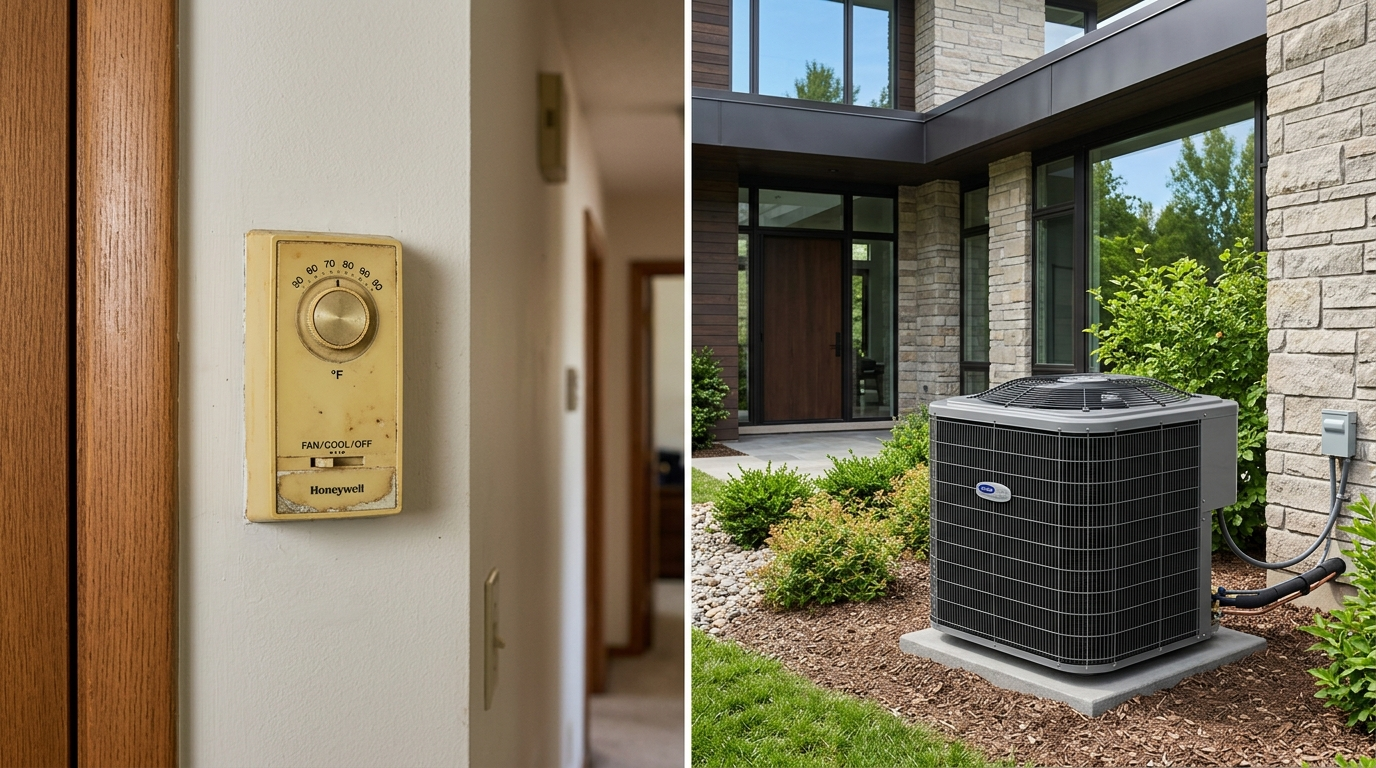
Will a New AC Unit Actually Lower Your Electric Bill?
A new high-efficiency AC can cut cooling costs significantly, but only if your ducts, attic insulation, and habits don't cancel out the gains. Here's what actually drives the savings.