Paint Calculator
DIY MaterialFind out exactly how many gallons of paint you need for any room, with waste already factored in.
Your Measurements
Standard ceiling height is 8 ft
~21 sq ft each
~15 sq ft each
Adds room length × width to the total area
Buying & Material Selection Guide
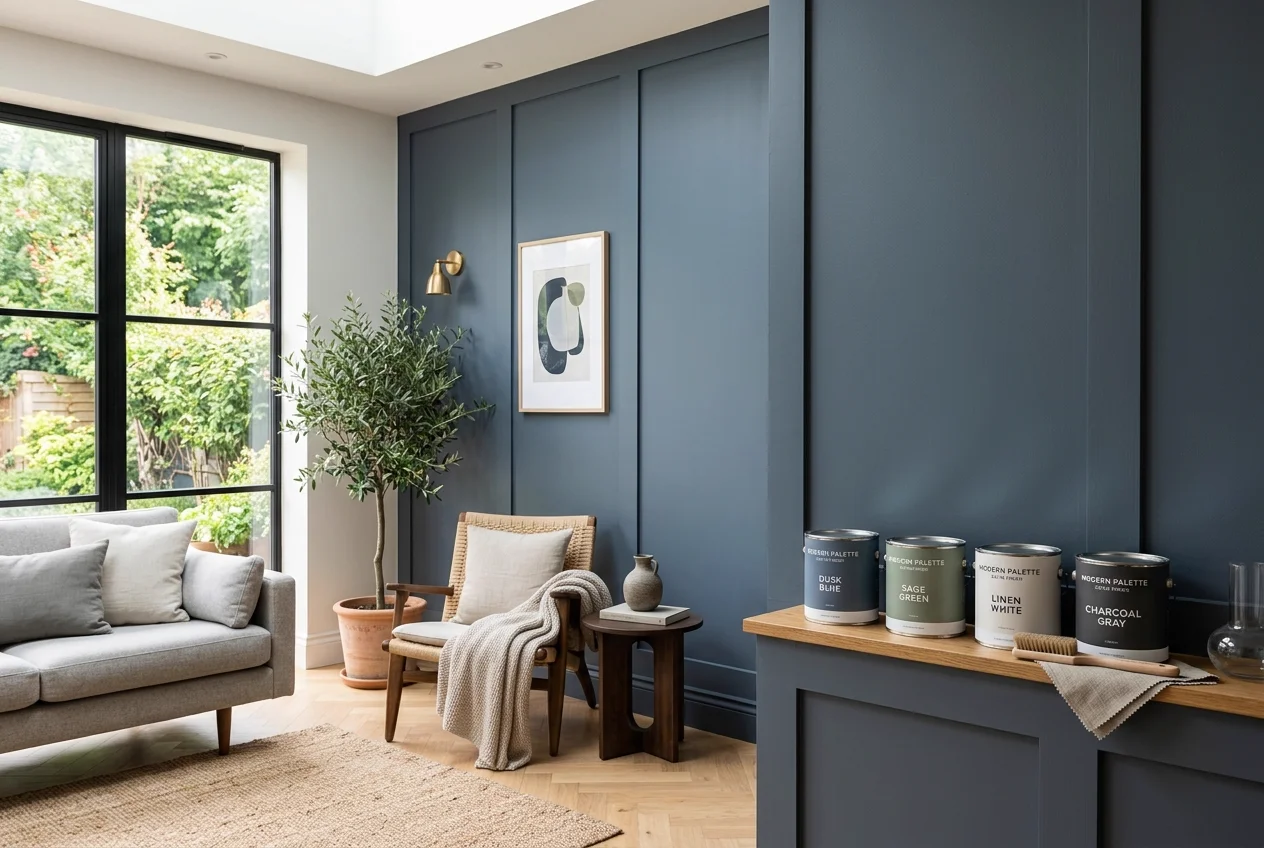
Choosing the right paint sheen and estimating coverage is key to a professional finish. A standard gallon of quality paint covers approximately 400 sq ft on smooth surfaces, but drops to around 300 sq ft for porous or textured walls. Sheens matter: use Flat/Matte for ceilings to hide imperfections, Eggshell or Satin for living spaces, and Semi-Gloss or Gloss for high-moisture, high-traffic areas like bathrooms, kitchens, and baseboards to ensure washability. Upgrading colors from dark to light will always require an initial primer coat to prevent bleed-through.
Site Prep & Pro Installation Practices
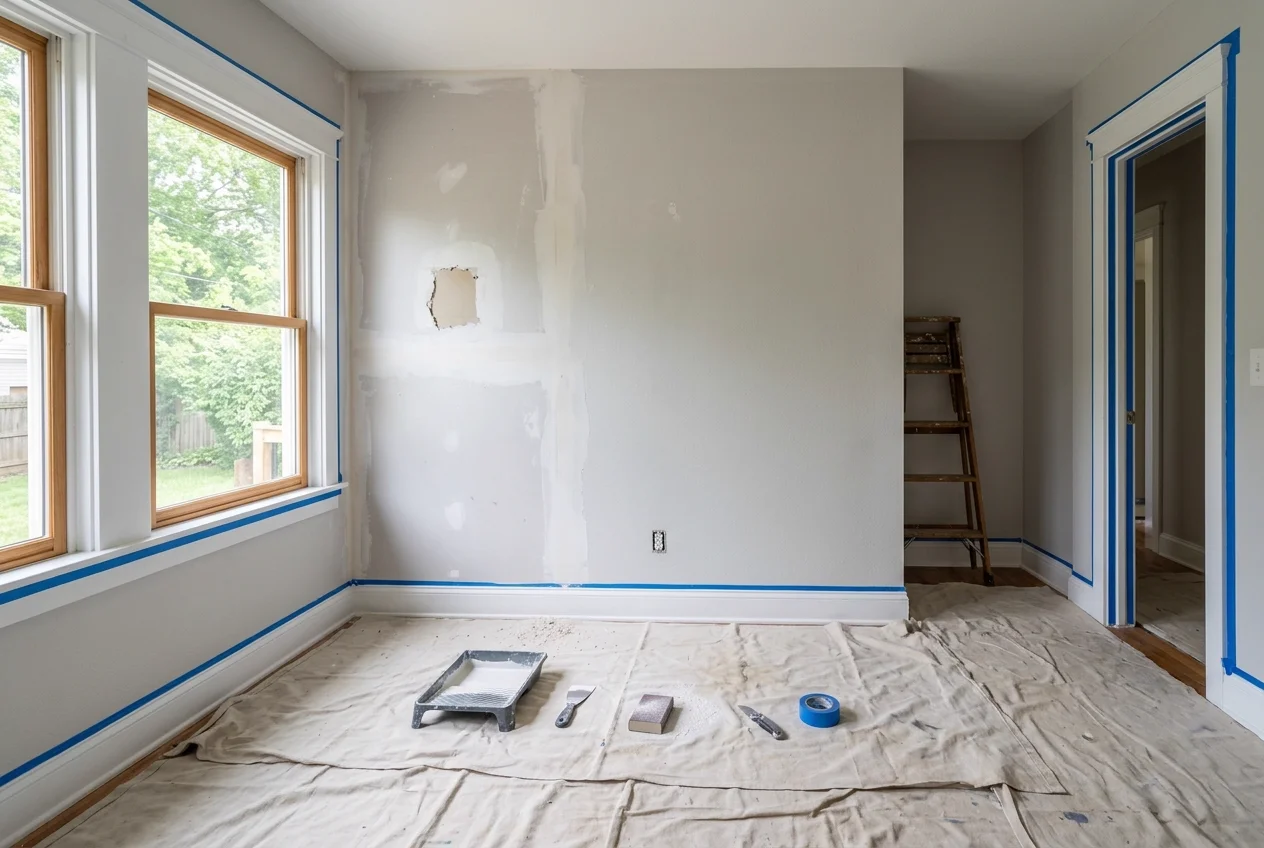
A flawless paint job is 80% surface preparation. Start by cleaning walls with a mild soap solution to remove oils and grease. Patch holes or dents with lightweight spackling compound, let it dry, and sand it completely flush. Apply high-quality painter's tape to baseboards and trim, sealing the edges firmly with a putty knife. For optimal paint adhesion and leveling, maintain room temperatures between 50°F and 90°F. Avoid painting in high humidity to prevent bubbling. If you are painting outside, follow our exterior house painting guide.
Regulatory Building Standards — EPA Method 24
Cited StandardVolatile Organic Compounds (VOCs) are carbon-based chemicals that evaporate easily at room temperature. They are commonly found in traditional paints, solvents, and finishes, and can cause short-term respiratory irritation, headaches, and long-term indoor air quality degradation. Under environmental regulations evaluated by EPA Method 24, interior flat architectural coatings are restricted to a maximum VOC content of 50 g/L. This cap protects installers and homeowners alike from high concentrations of chemical vapors during and immediately following application.
In recent years, regional regulations—such as those from California's SCAQMD or the multi-state OTC—have driven industry limits even lower, often capping VOCs at 50 g/L or less for non-flat sheens as well. Low-VOC and zero-VOC paint formulations are strongly recommended for bedrooms, nurseries, kitchens, and other confined spaces. It is worth noting that zero-VOC paints dry faster and may require a wet edge technique during application to prevent brush or roller marks, making good ventilation and climate control critical.
- •Interior flat architectural coatings are restricted to a maximum VOC content of 50 g/L.
- •Low-VOC and zero-VOC paint formulations are recommended for enclosed areas.
- •Zero-VOC paints dry more rapidly and require a continuous wet edge technique.
- •Good ventilation and room temperatures between 50°F and 90°F are critical during drying.
Frequently Asked Questions
Technical building code (IRC/ASTM) references and trade-tested guidance for your project.
Two coats of paint are the industry standard for interior walls. A single coat rarely achieves uniform thickness, sheens, and coverage, leaving visible streaks or thin spots (holidays). You may only need a third coat when making a drastic color transition, such as painting light colors over deep reds or navy blues.
Primer is required for new drywall (to seal the highly absorbent paper and joint compound), bare wood, metal, repaired patches, or when painting latex over old oil-based finishes. Skipping primer causes the substrate to absorb paint unevenly, leading to flat patches or premature peeling.
Latex paint is water-based, dries quickly (1-2 hours), has low odor, and cleans up with water, making it the top choice for residential walls. Oil-based (alkyd) paint dries slower (8-24 hours) but cures to an exceptionally hard, self-leveling, and impact-resistant shell, which is superior for doors, trim, and kitchen cabinets.
Related Projects & Standards
Explore adjacent calculations and the construction codes linking these tasks on the job site.
Drywall Calculator
Figure out how many 4×8 drywall sheets you need for walls and ceilings, with waste included.
Open CalculatorFlooring Calculator
Estimate square footage and boxes of flooring needed with the right waste factor for your pattern.
Open CalculatorSquare Footage Calculator
Calculate area of any shape in square feet, square meters, and square yards instantly.
Open CalculatorRelated Guides & Project Advice
Read our trade-tested analysis, choosing building materials, and budgeting tips related to this calculation.
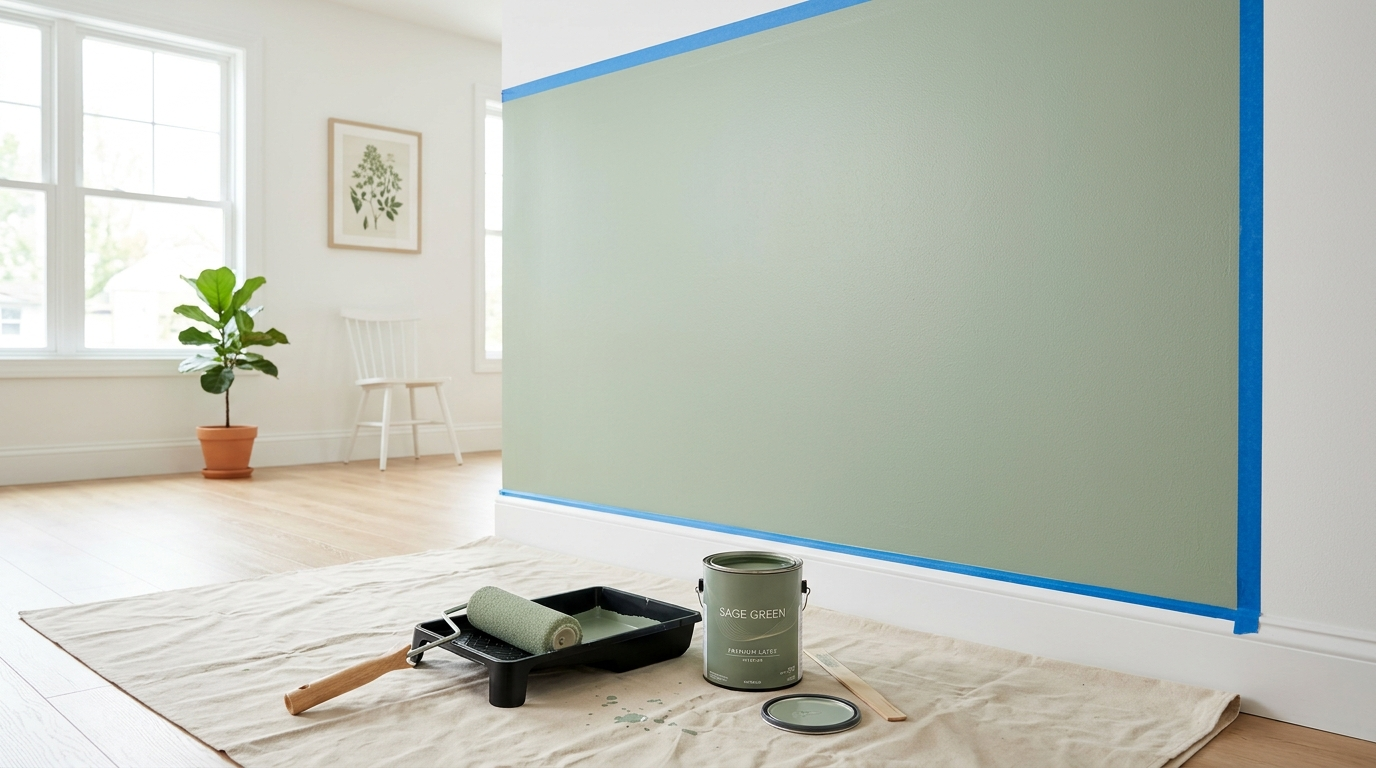
How Much Paint Do You Need Per Room? The Calculation and What Changes It
One gallon of paint covers approximately 400 square feet of smooth wall with one coat. Texture, porosity, and dark-to-light color changes reduce that significantly. Here's the formula and what adjusts it.
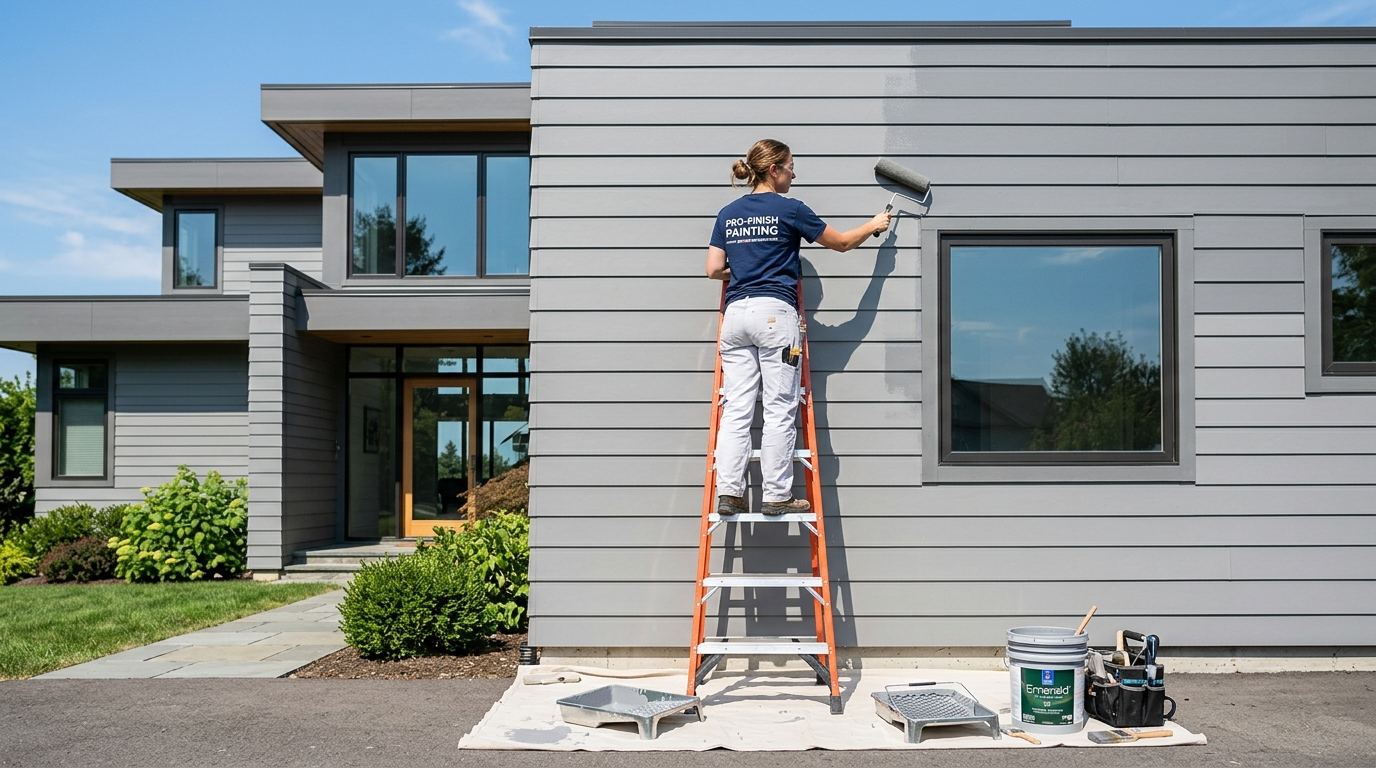
Exterior House Painting Cost: What Drives the Price and What the Prep Really Takes
Professional exterior painting runs $2,500–$6,500 for a typical home. Prep work, washing, scraping, caulking, and priming, accounts for roughly 60% of the labor cost. Here's how to budget accurately and what to confirm before signing.