SEER2 Ratings Explained: What the Number Means for Your Electric Bill
SEER2 (Seasonal Energy Efficiency Ratio 2) measures how many BTUs of cooling a system delivers per watt of electricity consumed, averaged over a full cooling season. The current federal minimum is 14.3 SEER2 in southern states and 13.4 SEER2 in northern states. The savings from moving from 14.3 to 18+ SEER2 are real but subject to strong diminishing returns above SEER2 16: the additional savings rarely recover the price premium within a system's service life in moderate climates.
SEER2 is a ratio: cooling output in BTUs divided by electrical input in watt-hours, averaged across an entire cooling season. A 16 SEER2 system delivers 16 BTUs of cooling for every watt-hour of electricity it consumes under the current DOE test protocol. A 10 SEER system (the federal minimum before 2006) delivered 10 BTUs per watt-hour.
The practical implication: every time the SEER2 number goes up, the system uses less electricity to produce the same amount of cooling. The question isn't whether that difference is real, it is, but whether the cost of the higher-rated equipment is recovered through lower bills within the system's service life.
The 2023 federal minimum is 14.3 SEER2 for southern states, 13.4 SEER2 for northern states. Upgrading from an old 10 SEER system to 14.3 SEER2 produces a meaningful, immediate reduction in cooling electricity use. Upgrading from 16 SEER2 to 20 SEER2 produces a much smaller reduction, with a significantly larger price premium. The efficiency gains above SEER2 16 are subject to diminishing returns, and whether the premium is recoverable depends on your cooling season length and local electricity rate.
Federal minimums per U.S. DOE 10 CFR Part 430, effective January 2023.
What this article covers:
- Why SEER2 numbers are lower than old SEER ratings for the same equipment
- Regional minimum standards and what's legally installable in your state
- The diminishing returns curve above SEER2 16
- EER2: the peak-performance metric SEER2 doesn't capture
SEER vs. SEER2: The Same Equipment, a More Realistic Test
The original SEER rating protocol, in use from the 1970s through 2022, tested equipment with zero duct static pressure, essentially measuring efficiency in open air without any resistance from ductwork. Real residential duct systems create significant airflow resistance.
The SEER2 protocol, developed by AHRI and adopted by DOE for equipment sold after January 2023, uses 0.5 inches of water column (in. w.c.) of static pressure to simulate actual ductwork resistance. Under this increased load, the blower motor draws more power, and the overall efficiency rating drops approximately 4–5% compared to the old test for equivalent equipment.
A system that tested at 15 SEER under the old protocol typically rates at approximately 14.3 SEER2. Nothing changed in the hardware: the test is more accurate.
Worth Knowing
High static pressure from undersized or restricted ductwork doesn't just reduce efficiency: it shortens blower motor life. A motor running continuously against excessive static pressure runs hotter and draws more current than its design spec. Dirty air filters compound this. If your new high-efficiency system fails earlier than expected, restricted airflow is the first thing an HVAC technician should check.
Regional Minimums: What Your State Requires
The DOE sets regional minimum SEER2 standards based on cooling load demands. As of January 2023:
- Northern states (DOE climate zones 4–8, roughly above the 37th parallel): 13.4 SEER2 minimum
- Southern states (climate zones 1–3, including the Southeast, Gulf Coast, Southwest): 14.3 SEER2 minimum
Installing equipment below the regional minimum is a federal code violation. If a contractor quotes you a system with a SEER2 rating below your region's threshold, the installation cannot legally proceed. Confirm the rating on any equipment quote (which you can estimate using our HVAC replacement cost calculator and review details in the HVAC replacement cost guide) before signing.
The Diminishing Returns Curve Above SEER2 16
The efficiency gain from moving from SEER2 14.3 to SEER2 16 is meaningful, roughly 12% less electricity for the same cooling output. The gain from 16 to 18 is smaller. The gain from 18 to 20 is smaller still. This is the diminishing returns pattern.
The equipment premium increases at each step. A 20+ SEER2 variable-speed system typically costs $2,000–$4,500 more than a 14.3 SEER2 standard unit of the same capacity. For a home in a moderate northern climate that runs the AC 3–4 months per year (to see how AC usage correlates with bills, check our guide on why my electric bill is high in summer), that premium requires a very long time to recover through energy savings alone.
In DOE climate zones 1–3 with year-round or near-year-round cooling needs, and electricity rates above $0.18/kWh, the math for high-SEER2 equipment is more favorable. In zones 4–6, the standard minimum or one step above is typically the more cost-effective specification.
EER2: The Number SEER2 Doesn't Capture
SEER2 measures seasonal average efficiency. It doesn't tell you how a system performs on the hottest day of the year, when outdoor temperatures peak and the system runs at or near full capacity for extended periods.
EER2 (Energy Efficiency Ratio 2) measures efficiency at a fixed high-load condition: 95°F outdoor temperature, 80°F indoor dry bulb, 67°F wet bulb. This is the rating that reflects peak-demand performance. Two systems with identical SEER2 ratings can have meaningfully different EER2 figures.
For homeowners in climates with frequent extreme heat days, EER2 is worth requesting from your contractor alongside the SEER2 spec. AHRI's certified product directory (ahrinet.org) lists EER2 data for equipment that has been tested under their program.
To compare installed costs for different efficiency levels and system types based on your home's square footage, use our HVAC Cost Calculator.
Research Citations & Verified Authorities
EEAT CompliantTo maintain absolute calculation integrity and trust, the structural lifespans, standard sizes, and pricing models in this guide are gathered from governing construction authorities and verified trade standards.
Recommended Guides
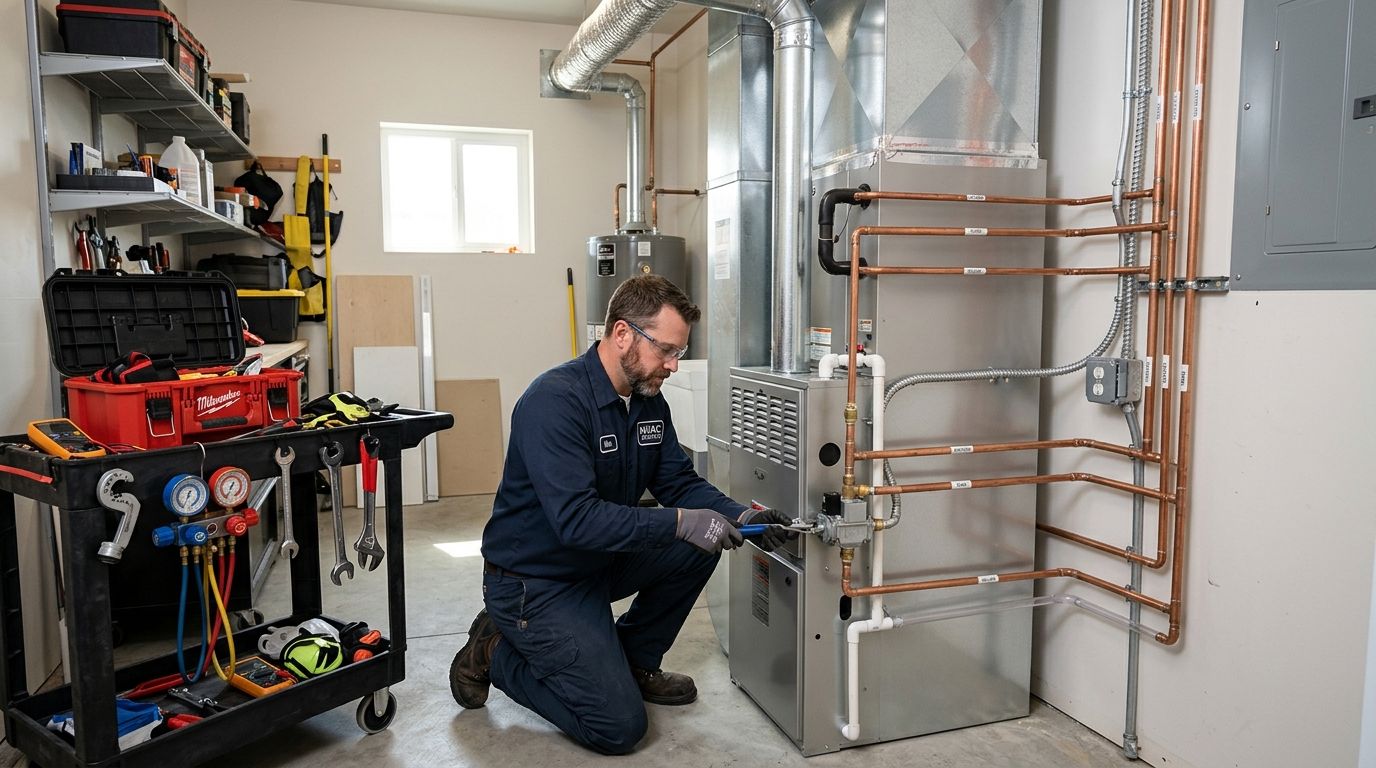
HVAC Replacement Cost: System Types, Sizing, and What Moves the Price
HVAC replacement runs $5,000–$14,000 for most homes in 2026. The price depends on system type, capacity, and ductwork condition, not just square footage. Here's what each decision costs.
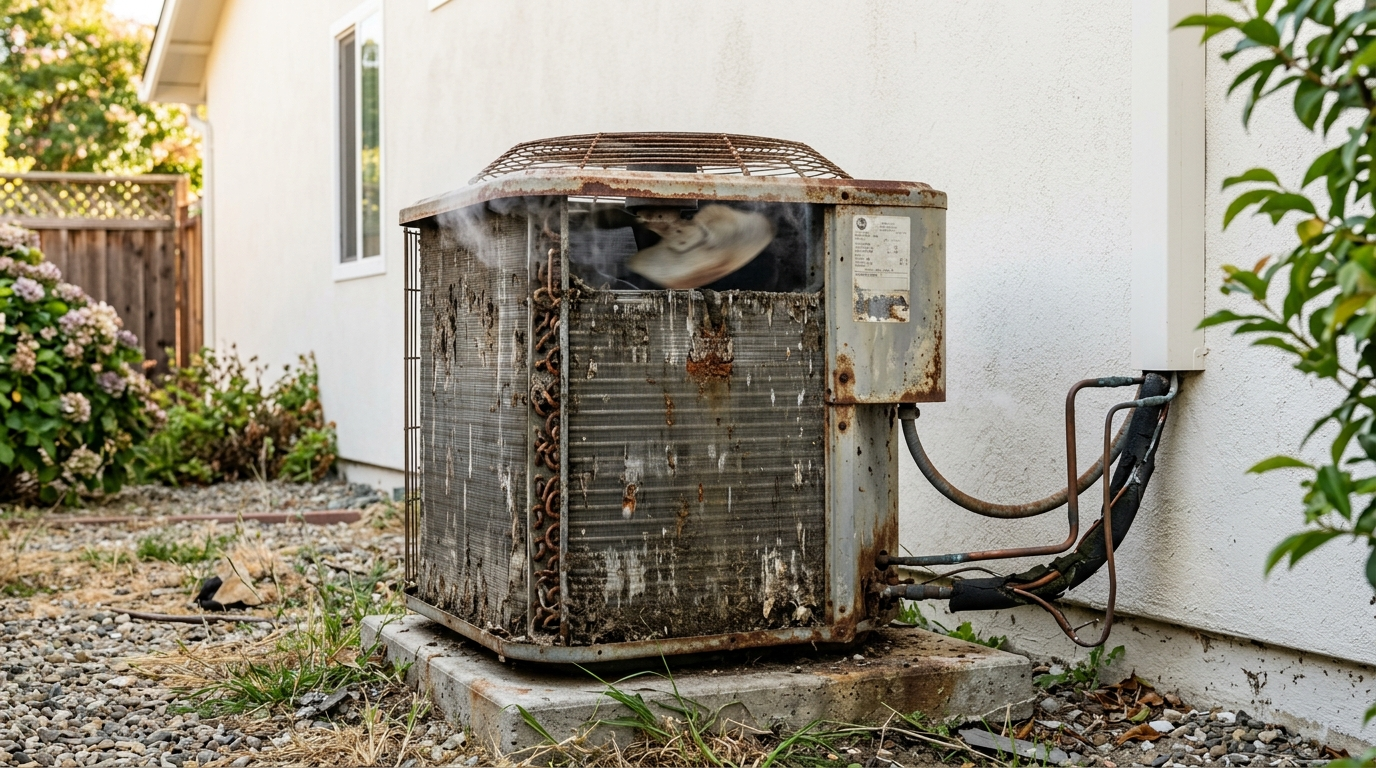
Is Your AC Failing or Just Having a Bad Day? How to Tell the Difference
Frozen coils, short-cycling, and a bill that jumped 30%: some of these are cheap fixes, others mean the system is done. Here's how to read the symptoms before calling anyone.
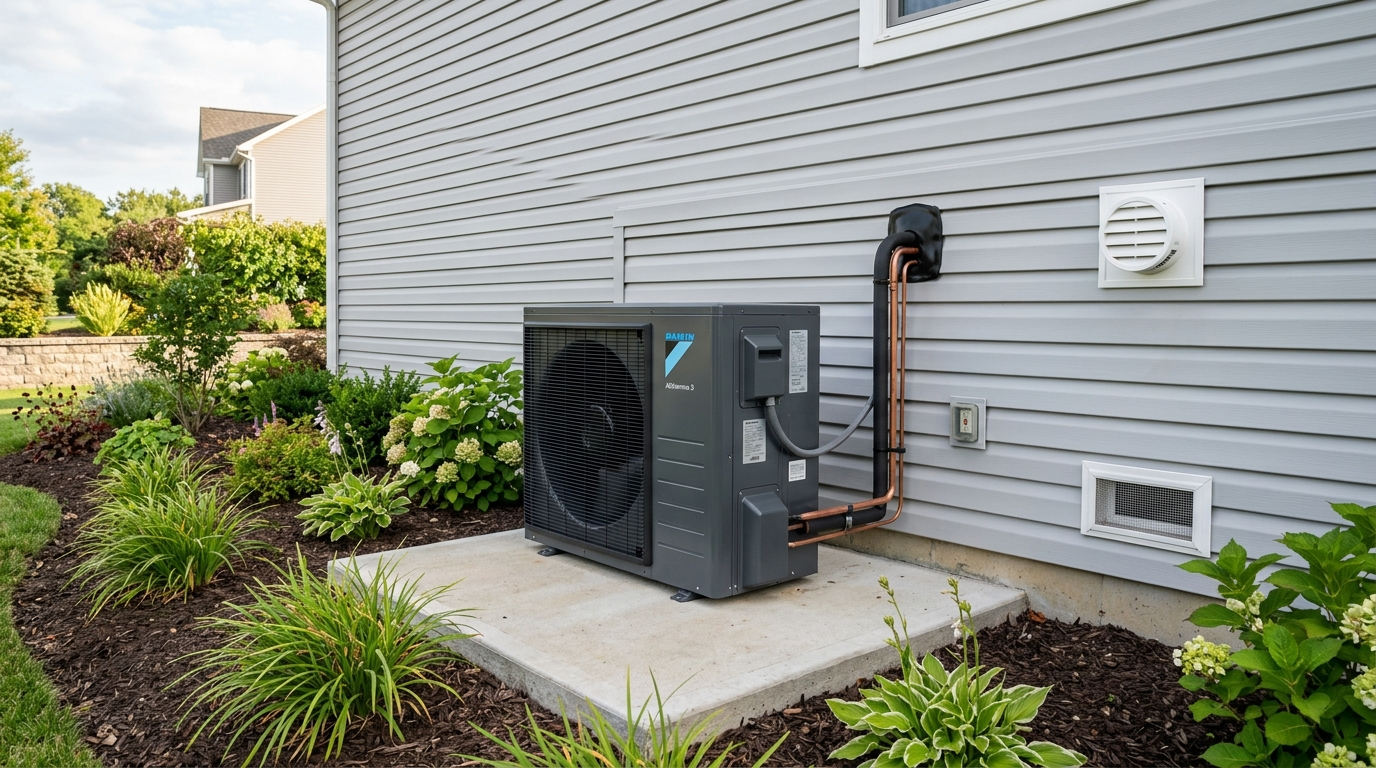
Heat Pump vs. Central AC: The Decision That Depends on Where You Live
Heat pumps and central ACs look nearly identical from the outside. Inside, they're fundamentally different machines, and the right choice comes down to your climate zone and local utility rates.