How to Tell If Your Roof Is Actually Failing
Not every roof problem needs a full replacement. The signs that matter most are granule loss in the gutters, visible daylight from the attic, and a sagging roofline, any one of those is structural. Curling or cracked shingles across a large area means the material is spent. Isolated damage on a younger roof is usually a repair job.
Clean your gutters in late autumn and you'll scoop out leaves, twigs, and something else: a thick, gritty layer of dark mineral granules settled at the bottom of the channel. These aren't dirt. They're the UV-protective coating that keeps your shingles from baking apart in summer heat. When a roof starts losing them in volume, the clock is already running.
Most homeowners don't catch roof problems until water shows up on a ceiling, by which point the damage has usually been building for months. The signs below show up earlier. Some of them you can spot from the ground in five minutes. Others require a flashlight and a trip to the attic.
Inspect twice a year, spring and fall, plus after any storm with hail or winds above 50 mph. Granules in the gutters, daylight visible through the attic deck, and a sagging roofline are the three signs that move this from "monitor it" to "call a contractor." A roof under 12 years old with isolated damage is a repair. One over 20 with widespread shingle failure is a replacement.
This article covers:
- The difference between signs that mean "keep an eye on it" and signs that mean "it's already failing"
- What to look for in the attic before you ever set foot on the roof
- Why a second layer of shingles is usually the wrong call
- How to decide between a patch repair and a full replacement
The Signs You Can Spot From the Ground
You don't need to climb anything to catch most early roof problems. A pair of binoculars and a walk around the perimeter will cover most of it.
Curling or cupping shingles are the most visible sign of age. When shingles curl upward at the edges (cupping) or buckle in the middle (clawing), they've lost their flexibility from years of heat and UV exposure (refer to our roof lifespan by material guide for details). Water pools in those deformations instead of shedding off. If it's happening across a full slope rather than a few isolated shingles, the material is spent.
Missing shingles after a storm can mean the nailing pattern was insufficient or the shingles were brittle enough to lift. One or two missing on a younger roof is a repair. A cluster missing on a roof over 15 years old is a sign the adhesive strip along the entire surface is failing.
Sagging anywhere along the roofline is the most urgent sign on this list. A straight roofline should be perfectly level from ridge to eave. Any dip or wave in the middle of a span means the decking or structural rafters underneath have been compromised, likely from prolonged moisture exposure. This is not a patch job.
The Attic Is the Real Inspection Point
Grab a flashlight and check these on a sunny day. Kill the attic lights and let your eyes adjust first.
- Daylight through the roof deck: Any pinhole of natural light means the decking is breached. This is structural damage, not a surface problem.
- Water stains or dark rings: Look around chimneys, plumbing vents, and skylight curbs. Stains that are dry now were wet recently.
- Wet or compressed insulation: Feel the fiberglass batts under any suspect areas. Damp insulation loses its R-value and holds moisture against the decking for weeks after a rain event.
- Soft rafters: Press a screwdriver against any dark spots on the rafter wood. If it sinks, the wood is rotted and will need replacement before a new roof can go on.
Granules in the Gutter: How Much Is Too Much?
New shingles shed some granules during the first few weeks, that's normal. What's not normal is a thick, consistent buildup every time you clean the gutters, especially on a roof that's been installed for years.
To gauge severity: if you can scoop a full handful of granules out of the gutter after a single rain, check the shingles themselves. You'll see bare, dark asphalt patches where the coating has worn through. Those bare spots absorb heat instead of reflecting it, accelerating the deterioration of the surrounding shingles.
Widespread granule loss on a roof over 15 years old is not a patch situation. The shingles have exceeded their protective lifespan across the whole surface.
Repair vs. Replace: The Practical Decision
The age of the roof and the extent of the damage determine which path makes financial sense.
A roof under 12 years old with damage limited to a specific area, storm-blown shingles, a failed flashing around a chimney, a single soft spot, is a repair candidate. The surrounding material is still in good condition and has years of service left.
A roof over 20 years old showing granule loss, widespread curling, or any structural sign is a replacement. Patching individual problems on aging material is like replacing one tire on a set with worn-out tread: you'll be back at the shop in six months for another. A licensed contractor can give you a condition report after a physical inspection, get at least three before committing to either path (to check if your insurance will cover the work, read our guide on does homeowners insurance cover roof replacement?).
Ready to estimate what a full replacement would cost for your home's footprint? Use our Roof Replacement Cost Calculator to get installed price ranges by material and square footage.
Research Citations & Verified Authorities
EEAT CompliantTo maintain absolute calculation integrity and trust, the structural lifespans, standard sizes, and pricing models in this guide are gathered from governing construction authorities and verified trade standards.
Recommended Guides
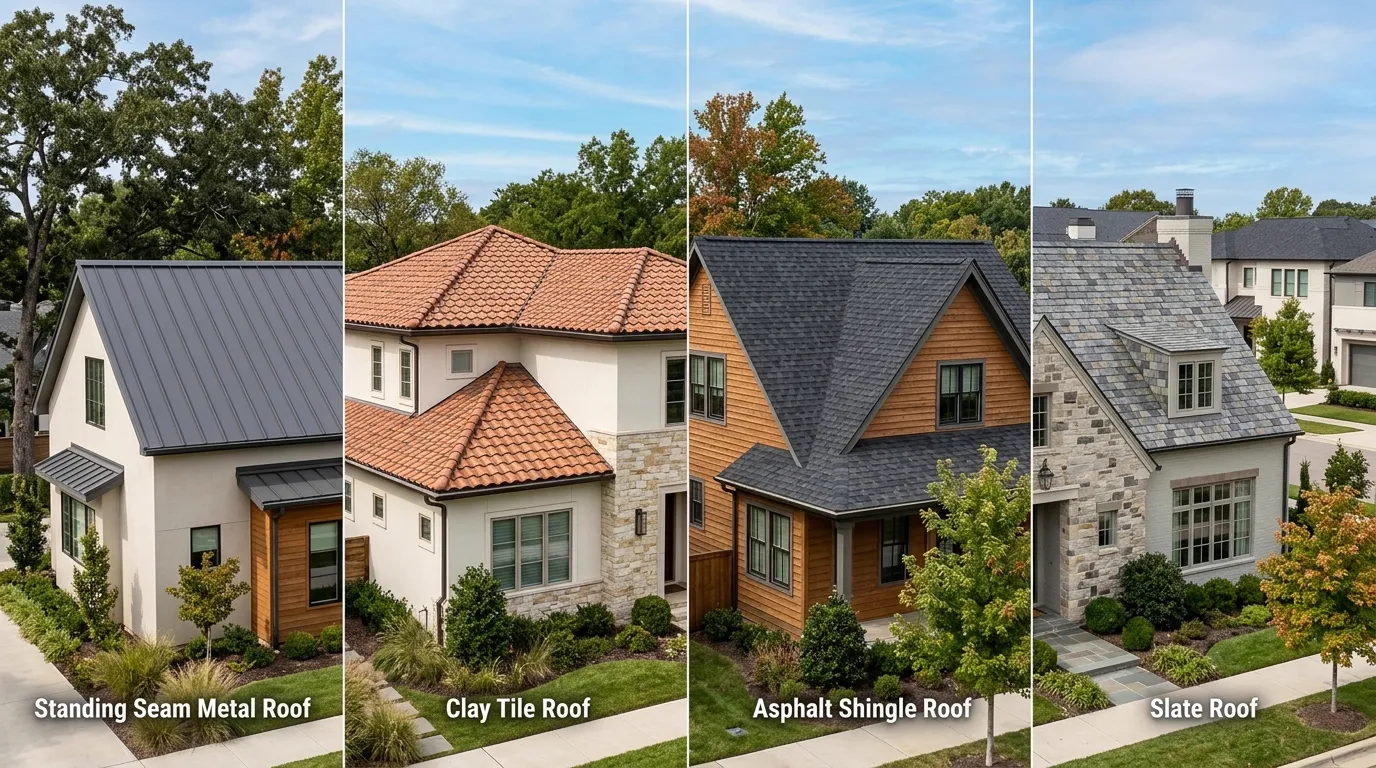
Roof Lifespan by Material: Asphalt, Metal, Tile, and Slate
Asphalt shingles, metal panels, clay tile, and natural slate each fail for different reasons and on different timelines. Here's what actually determines how long each material lasts in real conditions.
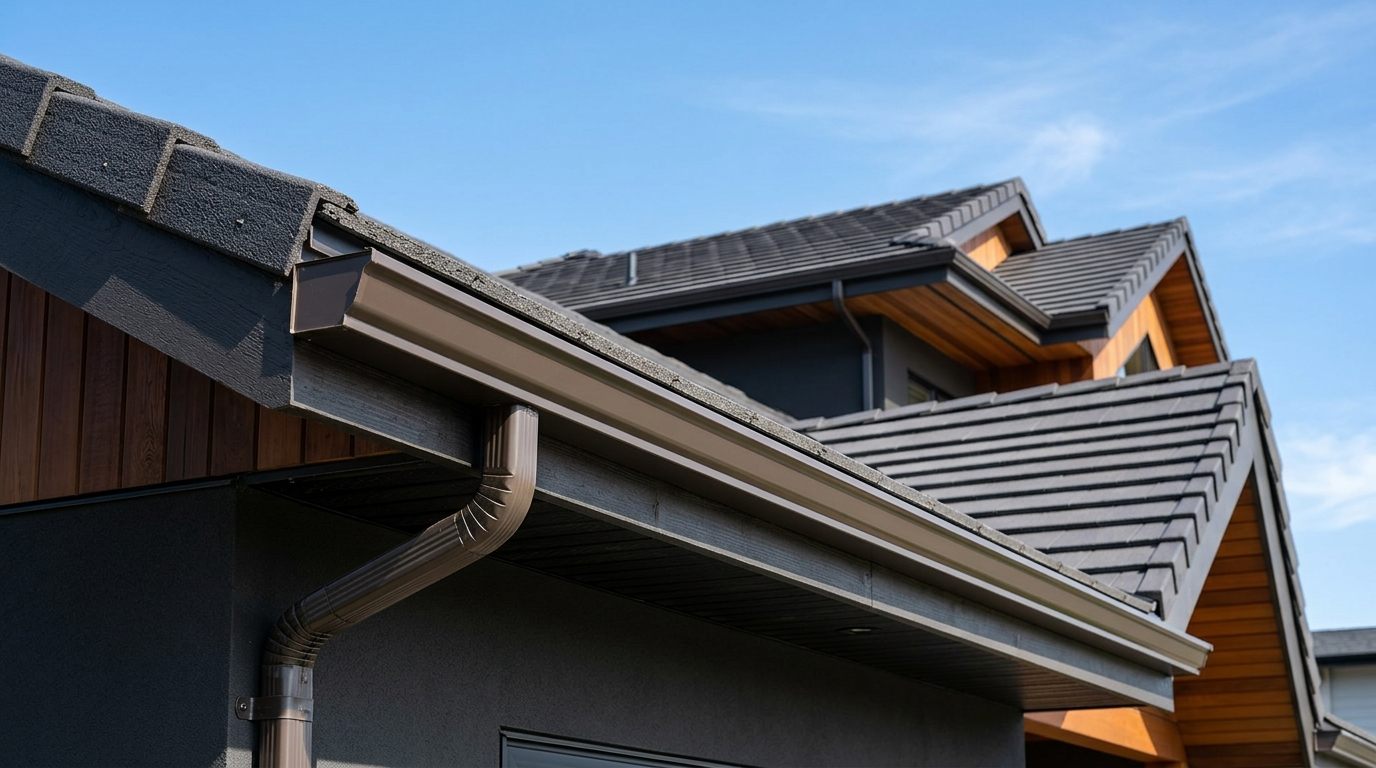
Gutter Replacement Cost: Seamless vs. Sectional and What Else Gets Quoted Separately
Seamless aluminum gutters cost $8–$15 per linear foot installed. The material choice matters less than whether you choose seamless over sectional, and whether fascia condition and downspout count are included in the bid.
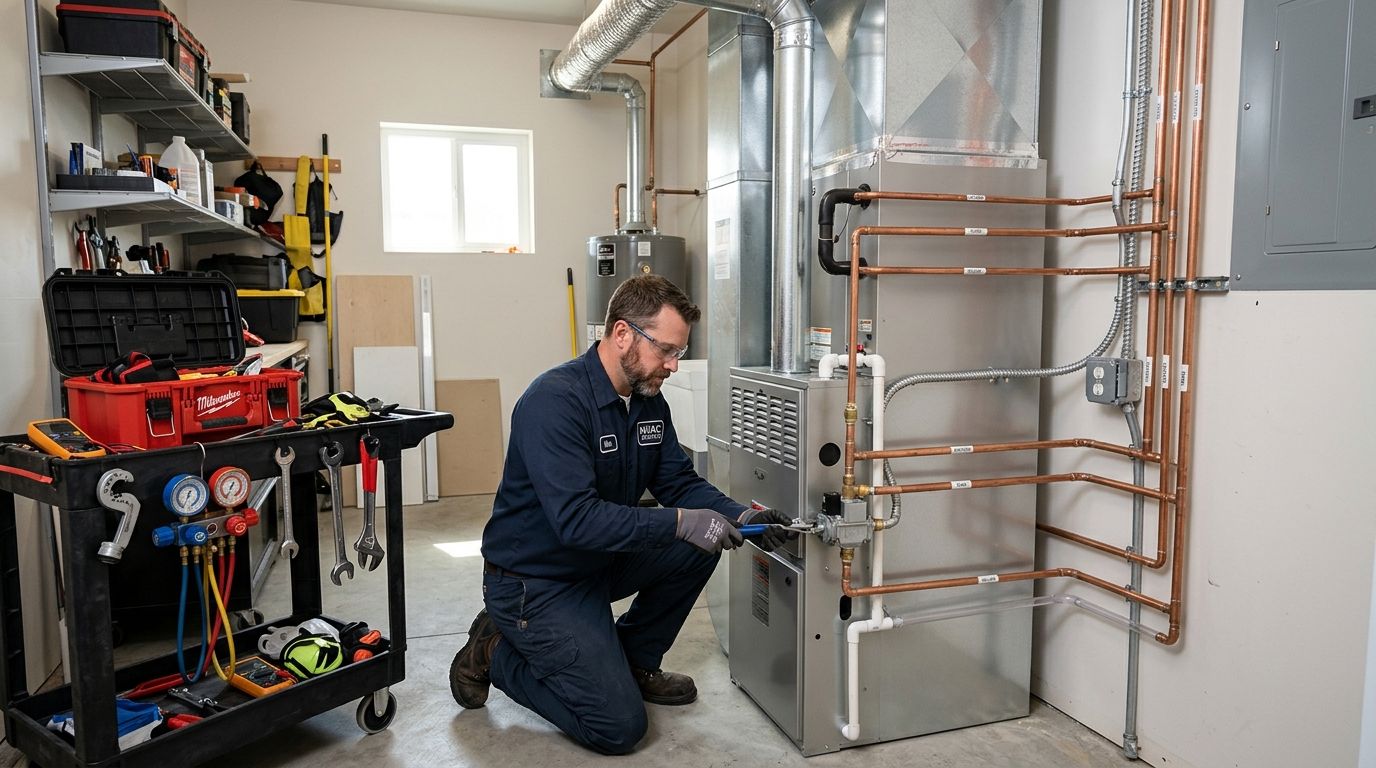
HVAC Replacement Cost: System Types, Sizing, and What Moves the Price
HVAC replacement runs $5,000–$14,000 for most homes in 2026. The price depends on system type, capacity, and ductwork condition, not just square footage. Here's what each decision costs.