LVP vs. Laminate vs. Hardwood: The One Decision That Changes by Room
Luxury Vinyl Plank (LVP) is the only option that tolerates standing water and moisture vapor, making it the correct choice for kitchens, bathrooms, and below-grade spaces. Laminate is highly scratch-resistant and budget-friendly but will swell and permanently warp if water sits in its joints. Solid hardwood is the only material that can be sanded and refinished, giving it a 50+ year service life with proper care, but it requires a dry, controlled environment to perform.
The biggest mistake in flooring selection is treating it as a single decision for the whole house. The material that performs best in a kitchen will fail in a basement. The material worth the investment in a living room is overkill in a rental unit. Each of the three main categories, LVP, laminate, and hardwood, has a specific set of conditions where it excels and specific conditions where it fails.
The decision starts with moisture, not aesthetics.
LVP ($4–$8/SF installed) is fully waterproof: the right default for kitchens, bathrooms, and any below-grade space. Laminate ($5–$9/SF) is scratch-resistant and budget-friendly but fails with standing water. Hardwood ($9–$18/SF) is the only refinishable material, a 50+ year investment that requires stable temperature and humidity to stay flat.
Cost ranges from HomeCalc Pro 2026 installer data. Specifications per RFCI and NWFA guidelines.
What this article covers:
- The moisture question that eliminates two options in certain rooms
- Side-by-side comparison across cost, durability, and lifespan
- The subfloor flatness requirement that affects all three materials
- Where each material makes sense, by room type
Start With the Moisture Conditions of the Room
Every flooring choice depends first on whether moisture is a factor. Not because all materials look different wet, they do, but because the failure modes are permanent and expensive to fix.
LVP (Luxury Vinyl Plank) has a stone-plastic composite (SPC) or wood-plastic composite (WPC) core that doesn't absorb water. The surface, core, and backing are all synthetic. Water on an LVP floor beads, drains, and wipes away without affecting the material. This makes it the only category appropriate for kitchens, bathrooms, laundry rooms, and below-grade spaces where moisture vapor from a concrete slab is a constant condition.
Laminate has a high-density fiberboard (HDF) core with a photographic print layer and resin wear surface on top. The wear layer repels surface water well. The problem is the core: if water penetrates the seams between planks, from a slow drip, a pet bowl, or repeated wet mopping, the HDF swells and separates at the edges. That damage is permanent. The affected planks must be replaced.
Solid hardwood is hygroscopic: it absorbs and releases moisture as humidity changes, expanding and contracting across its width. In a dry climate with stable indoor humidity (35–55% relative humidity year-round), it performs excellently. In humid climates, basements, or above radiant heat, it cups, gaps, or buckles. Per NWFA guidelines, hardwood is not recommended for below-grade installations.
Side-by-Side: Cost, Durability, and Lifespan
| Material | Installed Cost / SF | Water Resistance | Scratch Resistance | Service Life |
|---|---|---|---|---|
| Luxury Vinyl Plank (LVP) | $4.00 - $8.00 | Excellent (Fully waterproof) | High | 15-25 Years |
| Laminate | $5.00 - $9.00 | Low (Core swells at seams) | Very High | 10-20 Years |
| Solid Hardwood | $9.00 - $18.00 | Poor (Warps, cups) | Low-Moderate | 50+ Years (Refinishable) |
| Porcelain Tile | $9.00 - $20.00 | Excellent (Fully waterproof) | Very High | 50+ Years |
Cost ranges from HomeCalc Pro 2026 installer data. Scratch and water resistance per RFCI and NWFA specifications.
The number that stands out in that table is hardwood's service life. At $9–$18/SF installed (which you can estimate for your area using our flooring calculator), it's the most expensive option upfront. For details on professional labor rates, refer to our flooring installation cost guide. But it's the only material in the comparison that can be sanded down and refinished when the surface wears, typically three to five times over its life, per NWFA guidelines. A quality hardwood floor installed correctly in an appropriate room can outlast multiple renovations.
The Subfloor Requirement That Applies to All Three
Regardless of which material you choose, your subfloor must be flat to within 3/16 of an inch over a 10-foot radius. This is the standard tolerance specified by both RFCI (for vinyl and laminate) and NWFA (for hardwood).
Floating floors, LVP and laminate, sit on top of the subfloor without being fastened to it. Any high spots or low spots cause planks to flex underfoot. That repetitive flex stresses the click-lock joints and eventually causes them to crack or separate at the seams. The floor fails not from the material quality but from the installation surface.
Matching Material to Room
Kitchens, bathrooms, laundry rooms, basements: LVP. Moisture is present or likely. No other category is appropriate unless you're tiling.
Living rooms, dining rooms, main hallways: Any of the three work if the subfloor is dry and conditions are stable. Hardwood is the highest-value choice for resale; LVP is the most practical for households with pets or heavy foot traffic; laminate is the budget-conscious middle ground.
Bedrooms: All three are appropriate. Hardwood and LVP are quieter underfoot than laminate (which can sound hollow without quality underlayment). Laminate's scratch resistance is less relevant in a bedroom where foot traffic is low.
Rental properties or high-turnover spaces: LVP. Its waterproof core, scratch resistance, and relatively low replacement cost make it the most durable option under conditions you don't fully control.
To estimate material quantities, box counts, and total cost with a 10% waste buffer, use our Flooring Calculator.
Research Citations & Verified Authorities
EEAT CompliantTo maintain absolute calculation integrity and trust, the structural lifespans, standard sizes, and pricing models in this guide are gathered from governing construction authorities and verified trade standards.
Recommended Guides
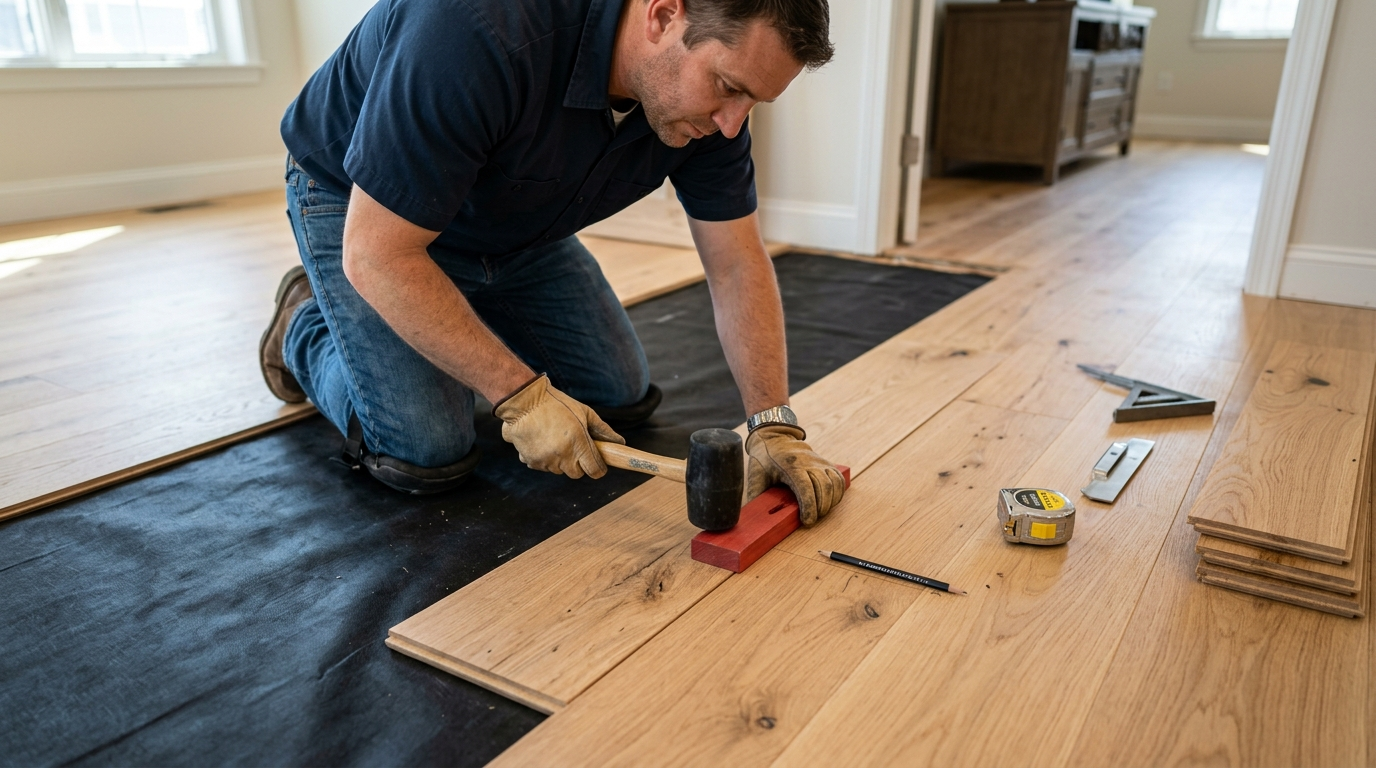
Flooring Installation Cost Per Square Foot: What's in the Number
The per-square-foot price on a flooring sample is just the material. Labor, subfloor prep, trim work, and disposal each add to the real total. Here's how to read a complete flooring bid.
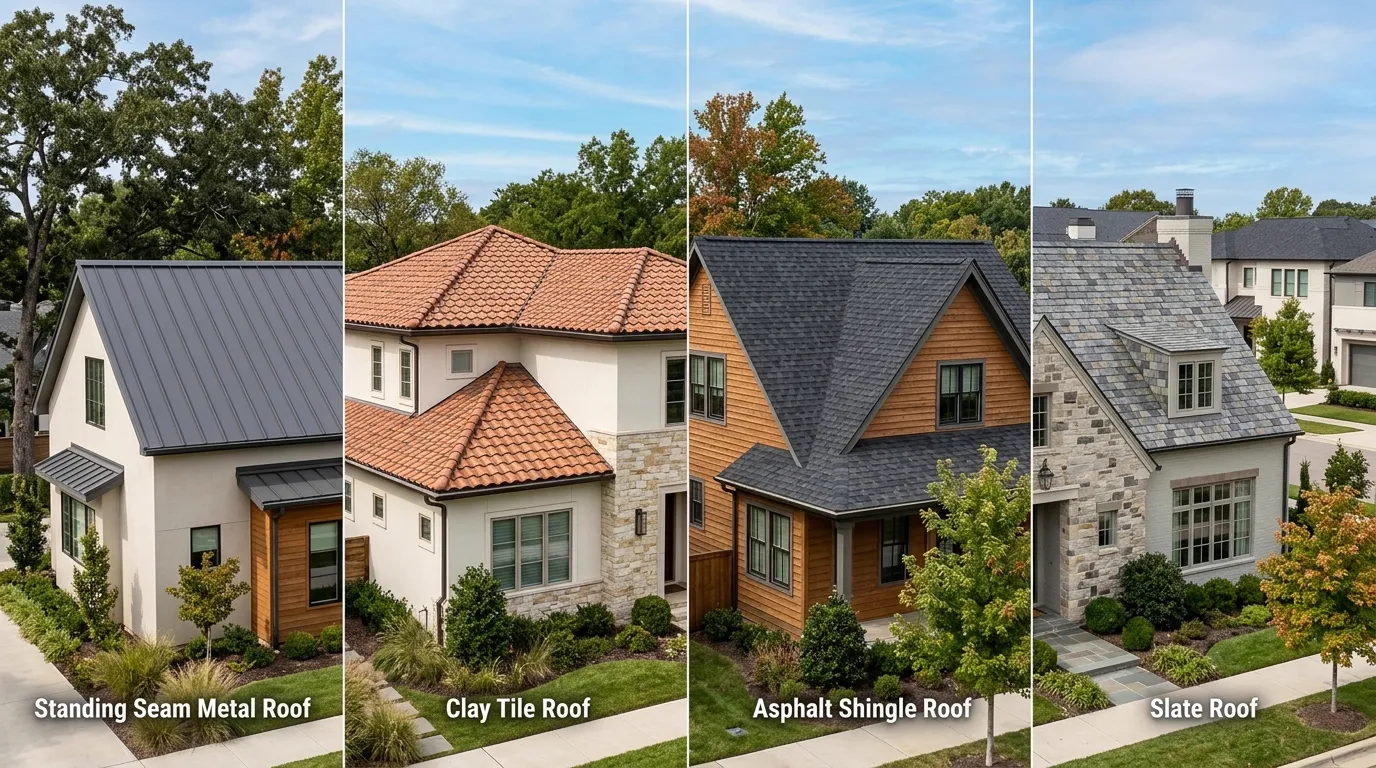
Roof Lifespan by Material: Asphalt, Metal, Tile, and Slate
Asphalt shingles, metal panels, clay tile, and natural slate each fail for different reasons and on different timelines. Here's what actually determines how long each material lasts in real conditions.
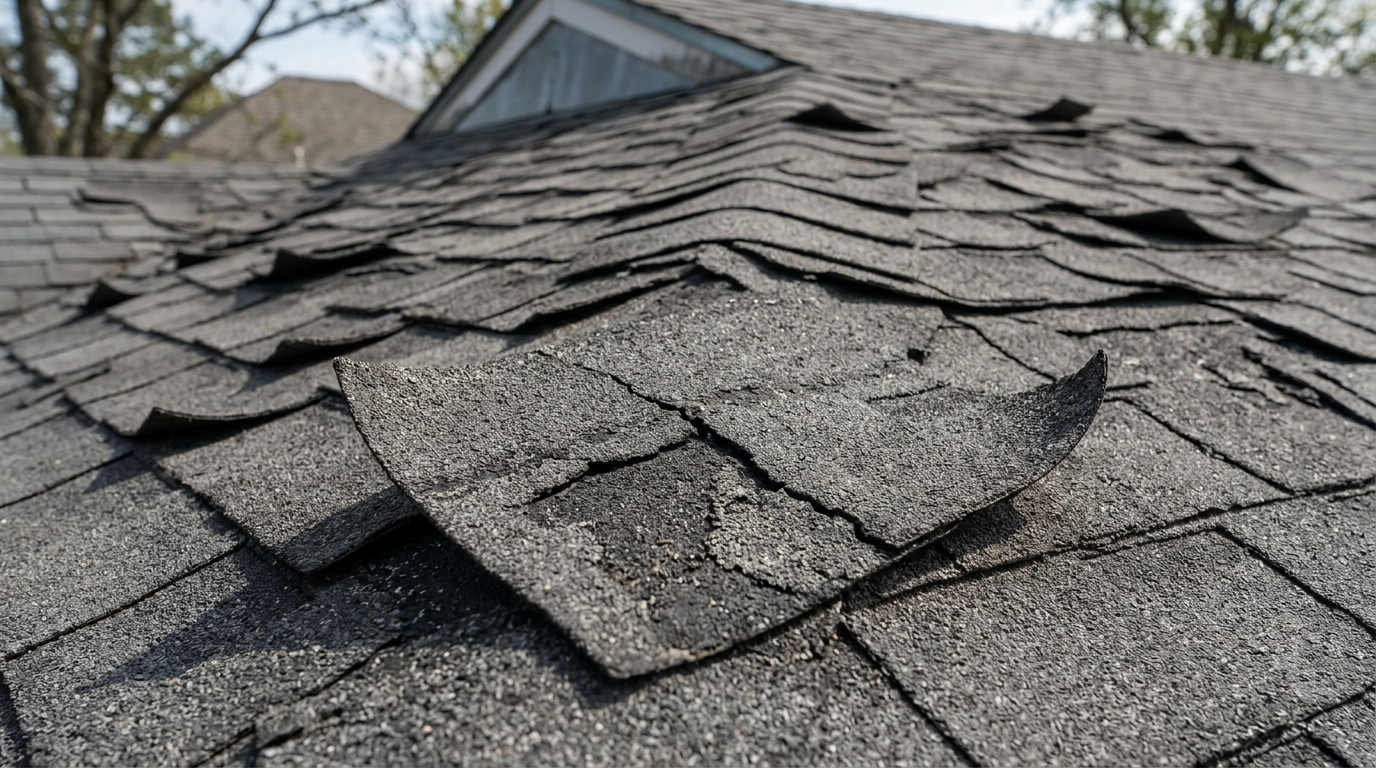
How to Tell If Your Roof Is Actually Failing
Curling shingles, granules in the gutter, light through the attic, learn which warning signs mean a repair can buy you time and which mean the clock has already run out.