Flooring Installation Cost Per Square Foot: What's in the Number
Flooring installation costs $4–$18 per square foot depending on material. LVP runs $4–$8/SF installed; laminate $5–$9/SF; solid hardwood $9–$18/SF. The installed price always includes materials and labor. Subfloor prep, baseboard removal and reinstallation, furniture moving, and disposal are typically quoted separately, confirm what's included before comparing bids.
The price tag on a flooring sample at the home center is the material cost only, and usually for the product alone, not its installation. A contractor's bid for the same floor includes materials, labor, adhesives or underlayment, and installation time. Those are different numbers, and the gap between them is where most flooring budget surprises come from.
Understanding what drives each line item helps you compare bids accurately and spot quotes that are missing pieces.
Installed flooring costs in 2026 range from $4/SF (basic LVP) to $18/SF (solid hardwood). The installed rate includes material and labor. Subfloor leveling, baseboard removal and reinstallation, and haul-away of old material are usually separate line items. Get an itemized bid, not just a per-SF rate, before committing to a contractor.
Cost ranges from HomeCalc Pro 2026 installer data. Additional line items vary by contractor and market.
What this article covers:
- Per-square-foot cost breakdown by material, materials vs. labor split
- The line items that often don't appear in the headline rate
- The expansion gap requirement and why it drives trim costs
- What to confirm is included before signing a flooring contract
Cost by Material: What the Numbers Include
The installed cost ranges below reflect material plus labor for standard installation conditions, flat subfloor, no unusual prep, basic trim work.
Luxury Vinyl Plank (LVP): $4–$8/SF installed. Click-lock floating installation is the fastest of the hard-surface categories, which keeps labor at the lower end. Material cost splits roughly $2–$4 for the product and $2–$4 for labor. Waterproof core makes it appropriate for kitchens and baths (to compare with other floorings, read our flooring type comparison).
Laminate: $5–$9/SF installed. Similar installation method to LVP. Slightly higher material cost at the mid-range compared to entry-level LVP. Not waterproof, water that penetrates the joint seams swells the HDF core permanently.
Solid Hardwood: $9–$18/SF installed. The labor component is higher, hardwood requires nailing or gluing to the subfloor, careful acclimation before installation, and more detailed subfloor inspection. Material runs $5–$10/SF; labor runs $4–$8/SF. The trade-off is a refinishable floor with a 50+ year service life.
Ceramic/Porcelain Tile: $9–$20/SF installed. Tile carries the highest labor cost of any category, mortaring, leveling, spacing, grouting, and sealing are all manual and time-intensive. Material cost is moderate; it's the labor hours that push the total up. (You can calculate your box counts and grout bags using our tile calculator).
Carpet: $2.50–$6/SF installed. The lowest installed cost for standard bedrooms. Material ($1.50–$4/SF) and installation ($1–$2/SF) are both at the lower end of the spectrum for basic to mid-grade products.
All ranges from HomeCalc Pro 2026 installer data.
Calculate Your Flooring Costs
Enter your room dimensions and material to estimate box counts, waste buffer, and total installed cost with our free Flooring Calculator.
The Expansion Gap and What It Costs in Trim Work
All floating floors, LVP and laminate, must have a 1/4-inch expansion gap around the room's perimeter. Wood and vinyl expand and contract with seasonal temperature and humidity changes. Without that gap, the floor has nowhere to move and will buckle or tent at the seams.
The gap disappears under the baseboard trim. That means the existing baseboard has to come off before installation and go back on after, carefully, without splitting the wood. Contractors typically charge $2–$5 per linear foot for baseboard removal and reinstallation. For a 400 SF room with 80 linear feet of trim, that's an additional $160–$400.
If your existing trim is brittle MDF or has been painted over multiple times, it will likely crack on removal. Budget for new baseboard material if the home is more than 15 years old and the trim hasn't been replaced.
Line Items to Confirm Before Signing
These costs are frequently absent from headline per-SF bids. Ask specifically whether each is included or excluded before comparing quotes from different contractors:
- Subfloor preparation: Grinding high spots, patching low spots, or applying self-leveling compound on concrete. This is charged separately when needed, typically by the hour or per area repaired.
- Old floor removal and disposal: Pulling up existing tile, hardwood, or carpet and hauling it away. Often excluded from standard bids, confirm disposal is covered or get the dump fee quoted separately.
- Furniture moving: Most flooring contractors do not move furniture as part of their standard quote. Rooms need to be clear before the crew arrives, or a furniture-moving add-on is negotiated separately.
- Transition strips: The metal or wood strips that bridge height differences between flooring types at doorways. Small cost per piece, but a room-to-room project will have several.
An itemized bid, one that separates material, labor, prep, trim, and disposal, gives you a clearer comparison across contractors than a single per-SF number. Use our Flooring Calculator to get your square footage and material quantity before requesting bids.
Research Citations & Verified Authorities
EEAT CompliantTo maintain absolute calculation integrity and trust, the structural lifespans, standard sizes, and pricing models in this guide are gathered from governing construction authorities and verified trade standards.
Recommended Guides
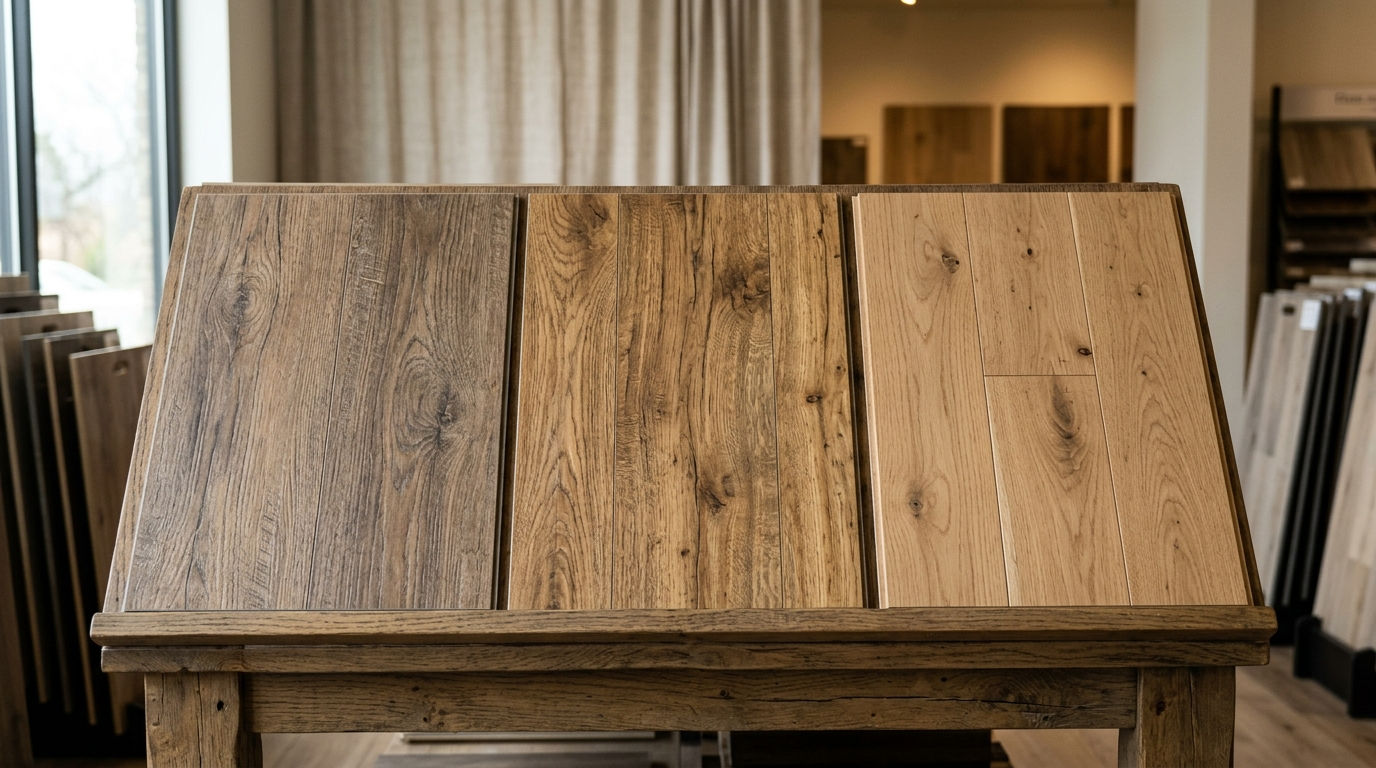
LVP vs. Laminate vs. Hardwood: The One Decision That Changes by Room
Luxury vinyl, laminate, and hardwood each have a specific use case. The material that's ideal for a kitchen will ruin a basement installation. Here's how to match material to room conditions.
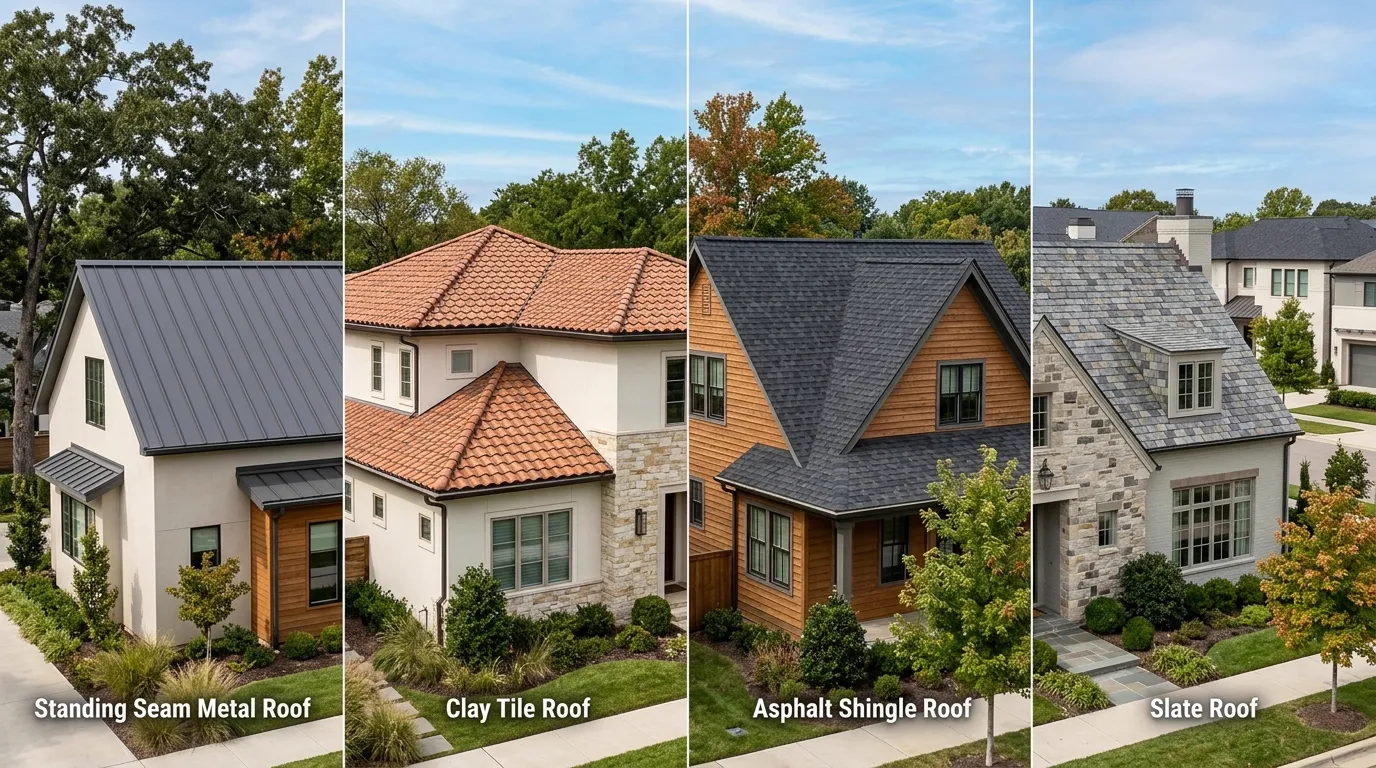
Roof Lifespan by Material: Asphalt, Metal, Tile, and Slate
Asphalt shingles, metal panels, clay tile, and natural slate each fail for different reasons and on different timelines. Here's what actually determines how long each material lasts in real conditions.
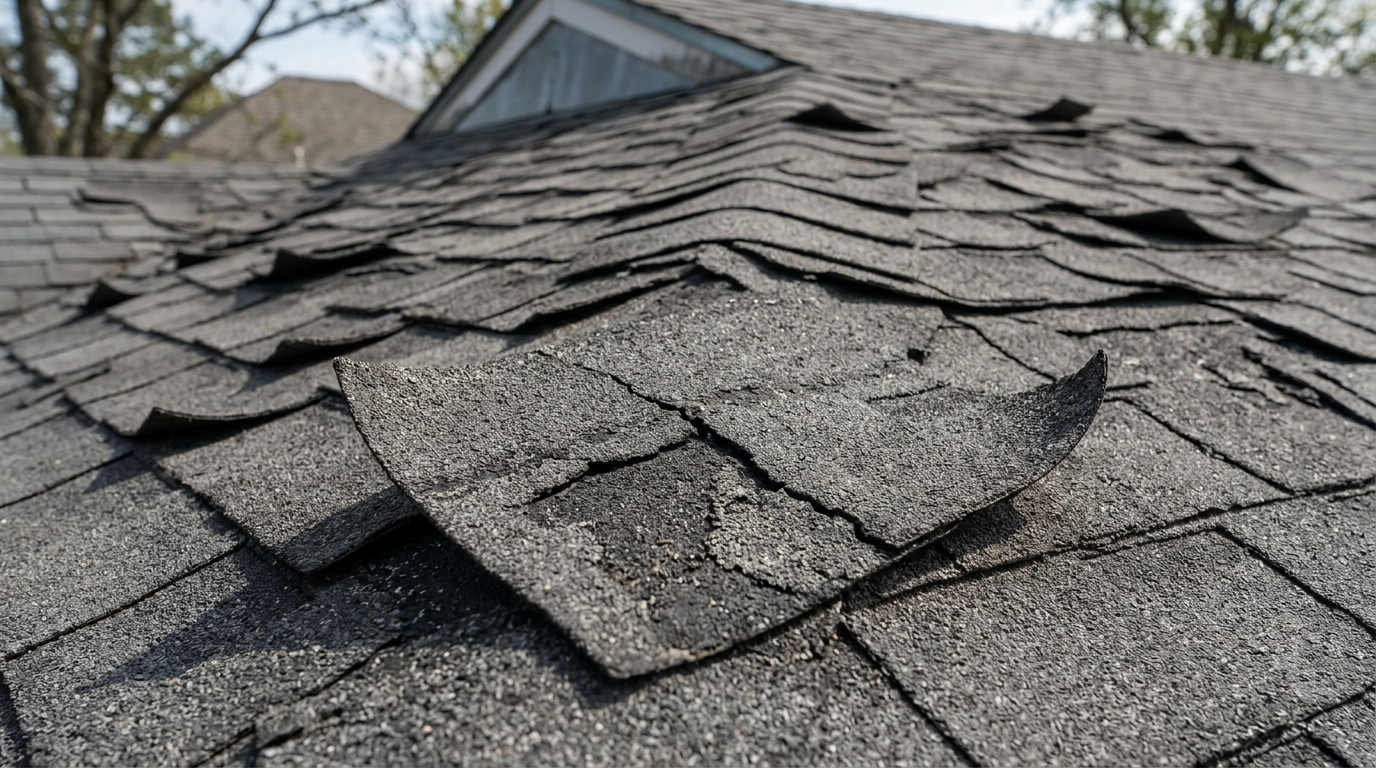
How to Tell If Your Roof Is Actually Failing
Curling shingles, granules in the gutter, light through the attic, learn which warning signs mean a repair can buy you time and which mean the clock has already run out.