Pre-Listing Home Inspection Checklist: What Sellers Need to Know
Pre-listing inspections cost $300-$600 and reveal deal-killing issues before buyers find them. Fix major defects (roof, HVAC, electrical, plumbing, foundation) before listing. Disclose everything, hidden problems discovered later kill deals and invite lawsuits.
A pre-listing home inspection gives the seller the same information a buyer's inspector would find, before the home is listed and before any offer is accepted. The strategic purpose is to remove inspection contingency leverage from negotiations. When known defects are disclosed upfront and priced into the listing, buyers can't use them as unexpected negotiating tools after an accepted offer.
The practical limitation is that a pre-listing inspection creates a disclosure obligation. In most states, once a seller has documented knowledge of a defect, it must be disclosed to prospective buyers. The inspection's value is in fixing what can be fixed before listing and accurately pricing or disclosing what can't.
Pre-listing inspections cost $300–$600 and take 2–4 hours. They cover 7 major systems: roof and attic, foundation and structure, electrical, plumbing, HVAC, exterior, and interior. Fix deal-killing defects (active leaks, electrical hazards, HVAC failures, foundation issues, mold) before listing. Price-in or disclose functional-but-aging systems. Most states require sellers to disclose known material defects, hiding problems discovered in a pre-listing inspection creates legal exposure.
Inspection standards per ASHI Standards of Practice and InterNACHI Standards.
What this article covers:
- All 7 systems covered in a standard home inspection
- Which defects are deal-killers vs. negotiation leverage vs. optional disclosures
- When a pre-listing inspection is strategically worth it
- Disclosure requirements and how transparency protects sellers
What Pre-Listing Inspections Cover
Standard home inspections examine 7 major systems:
1. Roof and Attic
- Shingle condition: Missing, cracked, or curling shingles (see our guide on 10 signs you need a new roof). Granule loss indicating age.
- Flashing: Around chimneys, vents, skylights, and valleys. Rust, separation, or improper installation.
- Gutters and downspouts: Clogs, sagging, improper drainage away from foundation.
- Attic structure: Rafters, sheathing, signs of leaks or water damage.
- Insulation and ventilation: Adequate R-value (refer to our guide on how much attic insulation you need), proper venting to prevent ice dams and moisture buildup.
Red flags: Active leaks, roof over 20 years old, structural rot, inadequate ventilation.
2. Foundation and Structure
- Foundation walls: Cracks (hairline is normal; wide or stair-step cracks are concerning), bowing, water infiltration.
- Slab: Cracks, heaving, settling.
- Floor structure: Sagging floors, joist damage, termite evidence.
- Wall and ceiling cracks: Small cracks are normal settlement. Large cracks (1/4 inch+) or diagonal cracks indicate structural issues.
Red flags: Foundation cracks wider than 1/4 inch, doors/windows that won't close, visible bowing, active water intrusion.
3. Electrical System
- Service panel: Amperage (100A minimum for modern homes; 200A preferred), brand (Federal Pacific and Zinsco panels are fire hazards), condition.
- Wiring: Knob-and-tube or aluminum wiring (outdated, insurance issues), proper grounding.
- Outlets and switches: GFCI protection in kitchens, baths, garage, and exterior. Proper function.
- Light fixtures: Proper installation, no exposed wiring.
Red flags: Federal Pacific/Zinsco panels, knob-and-tube wiring, ungrounded outlets, aluminum wiring, missing GFCI protection.
Critical Insight
Pre-listing inspections cost $300-$600. Major repairs discovered by buyers during their inspection can kill deals or cost you 2-3x more in emergency repairs. Fix problems on your timeline, not theirs. Transparency builds buyer confidence and reduces negotiation leverage.
4. Plumbing System
- Water heater: Age (see our water heater lifespan guide to evaluate its status), condition, leaks, proper venting.
- Supply lines: Galvanized steel (corrodes over time) or polybutylene (1978-1995, prone to failure) are red flags. Copper and PEX are preferred.
- Drain lines: Proper slope, leaks, evidence of backups.
- Fixtures: Leaks under sinks, proper function, water pressure.
- Sewer/septic: Scope sewer line if home is 20+ years old (tree roots, cracks, bellies). Septic inspection if applicable.
Red flags: Polybutylene or galvanized supply lines, active leaks, sewer line damage, water heater over 15 years old, low water pressure.
5. HVAC System
- Furnace/boiler: Age (15-20 year lifespan), condition, heat exchanger cracks (carbon monoxide risk), proper venting.
- Air conditioning: Age (12-15 year lifespan; calculate upgrade budgets with our HVAC replacement cost calculator), refrigerant type (R-22 is obsolete and expensive), compressor function.
- Ductwork: Leaks, insulation, proper airflow to all rooms.
- Thermostat: Proper function, calibration.
Red flags: Heat exchanger cracks, R-22 refrigerant, systems over 20 years old, inadequate cooling/heating, missing carbon monoxide detectors.
6. Exterior and Site
- Siding: Rot, cracks, loose boards, paint failure.
- Windows and doors: Proper operation, seal failure (foggy glass), rot.
- Decks and porches: Structural integrity, ledger board attachment (refer to our deck construction cost guide), rot.
- Grading and drainage: Soil should slope away from foundation. Negative grading leads to water intrusion (see our basement waterproofing cost guide).
- Driveway and walkways: Major cracks, heaving, trip hazards.
Red flags: Rot in structural members, improper deck attachment, negative grading (water flows toward house), major foundation settlement.
7. Interior
- Walls and ceilings: Water stains, mold, major cracks.
- Floors: Soft spots (indicate subfloor rot), excessive slope.
- Stairs and railings: Proper height, secure attachment.
- Appliances: Proper function (if included in sale).
- Garage: Door function, auto-reverse safety feature, fire separation from house.
Red flags: Mold evidence, soft floors, inoperable garage door auto-reverse, missing smoke/CO detectors.
Repairs to Make BEFORE Listing
Not every issue needs fixing before sale. Focus on these:
Must Fix (Deal Killers)
- Roof leaks: Active leaks scare buyers. Repair or replace.
- Foundation issues: Wide cracks, bowing, or water intrusion. Get engineer evaluation and repair.
- Electrical hazards: Federal Pacific panels, exposed wiring, ungrounded outlets. Hire electrician.
- Plumbing leaks: Active leaks, polybutylene pipes, sewer line damage.
- HVAC failures: Non-functional heating/cooling, cracked heat exchangers.
- Mold: Active mold growth (especially black mold). Remediate and fix moisture source.
- Pest damage: Termite or carpenter ant damage. Treat and repair.
Should Fix (Negotiation Leverage)
- Old but functional systems: Roof 15-20 years old, HVAC 12-15 years old. Consider pre-emptive replacement or price accordingly.
- Outdated but safe electrical: Aluminum wiring, missing GFCI. Disclose and price, or upgrade.
- Cosmetic issues: Peeling paint, cracked windows, worn flooring. These give buyers ammunition for nickle-and-dime negotiations.
Optional (Disclose and Price)
- Old systems still working: Water heater 13 years old but functional. Disclose age; let buyer decide.
- Minor cracks: Hairline foundation cracks, small drywall cracks. Normal settlement.
- Worn but functional: Old carpet, dated kitchens. Price competitively.
When a Pre-Listing Inspection Is Worth Getting
Pre-listing inspections are most valuable when the home is 15+ years old (major systems are approaching typical end-of-service timelines), when maintenance has been deferred over several years, or when the seller wants to list as-is and needs accurate pricing data. In high-demand markets where buyers commonly waive inspection contingencies, a pre-listing inspection may be less critical, though it still provides the seller with information needed to price accurately.
For homes under 10 years old and well-maintained, the probability of finding significant unknown defects is lower, and the inspection's strategic value is reduced. The decision is primarily about information: how much does the seller want to know going in, and are they prepared to act on what they find?
Disclosure Requirements: Know Your State Laws
Most states require sellers to disclose known defects. A pre-listing inspection creates a paper trail: you must share findings with buyers. Some sellers worry this exposes them to liability. In reality:
- Disclosure protects you: Buyers can't sue for problems you disclosed and they accepted.
- Hiding problems is riskier: If buyers discover undisclosed issues after closing, you face lawsuits for fraud or misrepresentation.
- Transparency builds trust: Buyers appreciate honesty and are more likely to proceed with deals.
Pre-listing inspection reports should be shared with prospective buyers before or at the time of offer. The goal is not to produce a perfect inspection report, older homes have issues. The goal is a predictable one, where buyers know what they're acquiring and the seller has documented good faith disclosure. This reduces post-closing liability and removes the information asymmetry that gives buyer's inspections their negotiating power.
Research Citations & Verified Authorities
EEAT CompliantTo maintain absolute calculation integrity and trust, the structural lifespans, standard sizes, and pricing models in this guide are gathered from governing construction authorities and verified trade standards.
Recommended Guides
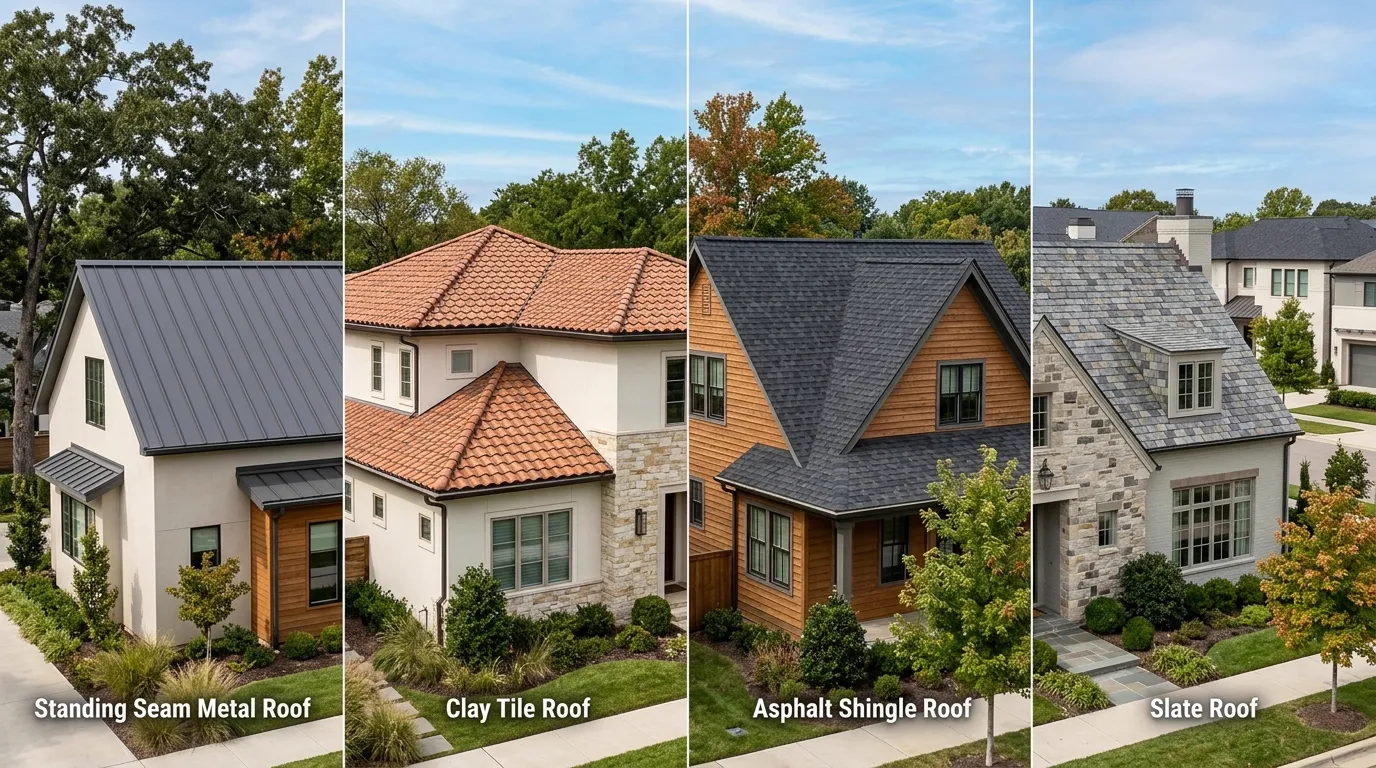
Roof Lifespan by Material: Asphalt, Metal, Tile, and Slate
Asphalt shingles, metal panels, clay tile, and natural slate each fail for different reasons and on different timelines. Here's what actually determines how long each material lasts in real conditions.
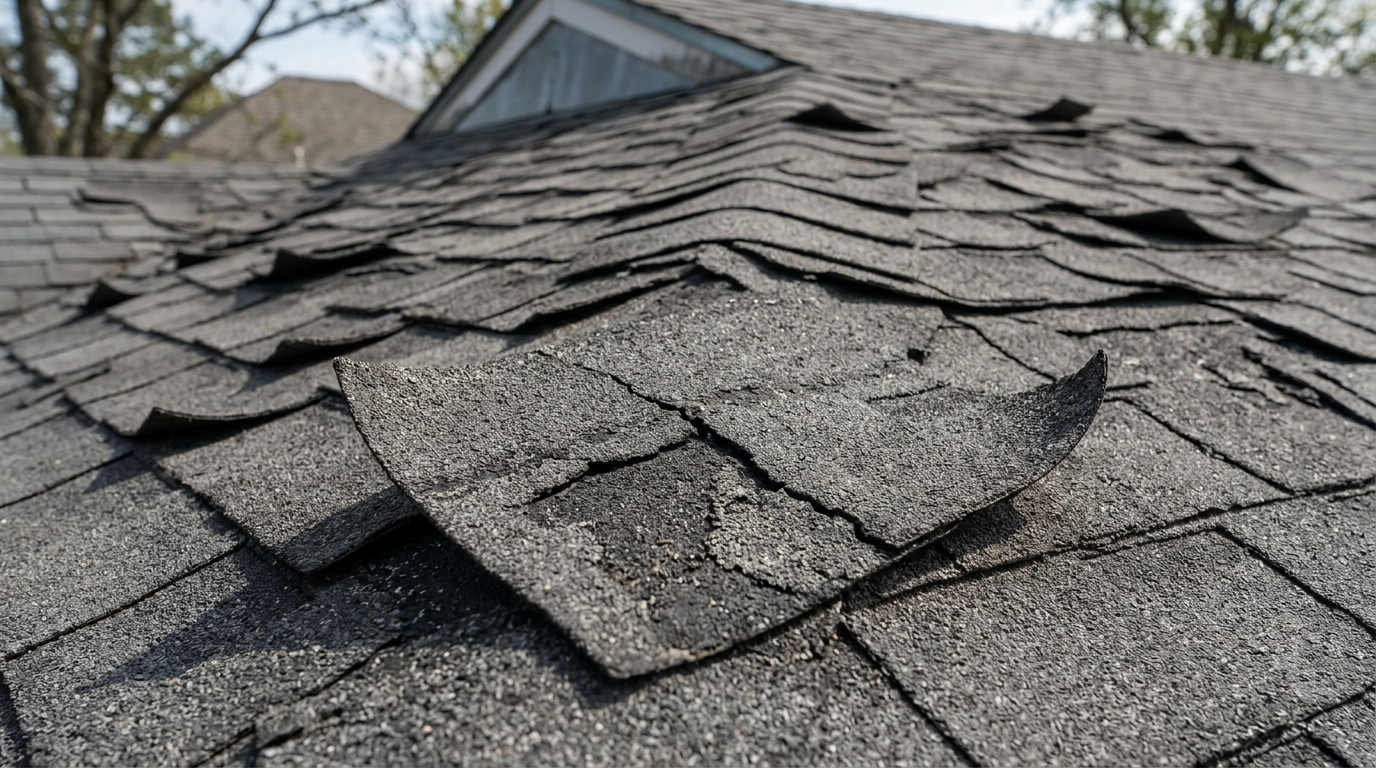
How to Tell If Your Roof Is Actually Failing
Curling shingles, granules in the gutter, light through the attic, learn which warning signs mean a repair can buy you time and which mean the clock has already run out.
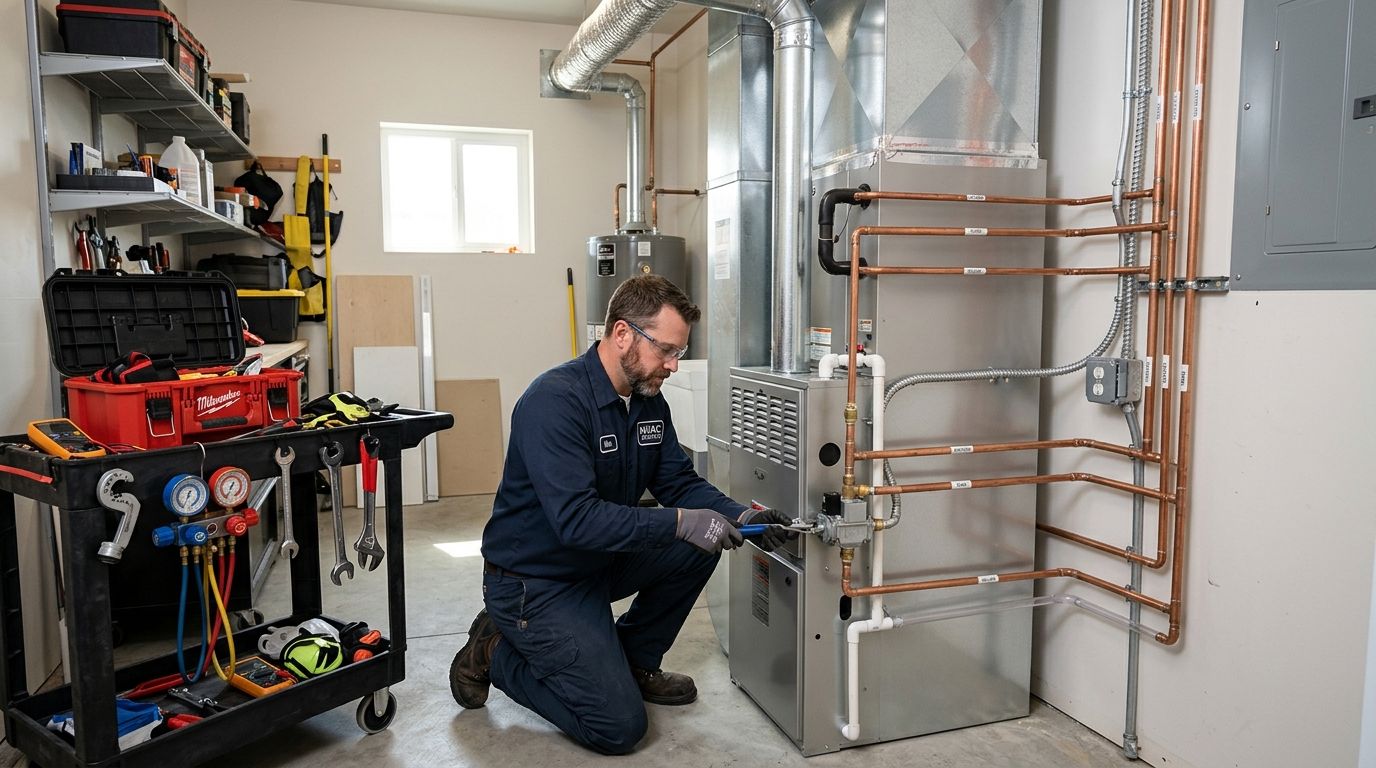
HVAC Replacement Cost: System Types, Sizing, and What Moves the Price
HVAC replacement runs $5,000–$14,000 for most homes in 2026. The price depends on system type, capacity, and ductwork condition, not just square footage. Here's what each decision costs.