Impact Windows vs Hurricane Shutters: Cost & Protection Compared (2026)
Impact windows cost $800-$1,500 per window ($15,000-$30,000 for whole home) with permanent protection and energy savings. Hurricane shutters cost $15-$50/sq ft ($5,000-$15,000 for whole home) but require manual deployment. Impact windows add home value; shutters do not.
Hurricane season arrives every year like clockwork (to prepare your entire property, check out our 2026 hurricane season home prep guide), and with it comes the same anxious ritual: Will this be the year a storm tests my home's defenses? For coastal homeowners, window protection isn't optional: it's the difference between a house that survives and a house that becomes a casualty.
You have two main options: impact-resistant windows (permanent, expensive, invisible) or hurricane shutters (temporary or permanent, affordable, visible). Whole-home window replacement can be estimated with our window replacement cost calculator. Impact windows cost $15,000-$30,000 for a whole home. Hurricane shutters cost $5,000-$15,000. That's a 2-3x price difference.
But protection is only part of the equation. Impact windows provide year-round benefits (energy savings, noise reduction, UV blocking) that shutters can't match. Shutters require manual deployment, someone has to be home to crank them down or bolt panels in place before every storm.
This comparison breaks down the real costs, protection levels, and lifestyle tradeoffs so you can choose wisely.
Impact Windows: Permanent Protection
Installed cost: $800-$1,500 per window. A typical 2,000 sq ft home with 20-25 windows costs $15,000-$30,000 fully installed.
What you're paying for:
- Laminated glass: Two layers of glass bonded with a PVB (polyvinyl butyral) interlayer. When impacted, glass may crack but stays bonded to the interlayer, no dangerous shards.
- Reinforced frames: Aluminum or vinyl frames with internal steel reinforcement. Anchored directly into wall studs or concrete.
- Multi-point locking: 3-5 locking points per window distribute wind pressure evenly.
- Certification testing: Must pass missile impact (2x4 at 50 fps) and pressure cycling (9,000+ cycles at design pressure).
Impact Window Pros
- Permanent protection: Always active. No deployment required. Leave town during evacuations without worrying about windows.
- Energy efficiency: Low-E coatings and insulated frames reduce cooling costs 10-20%. Pays back over time.
- Noise reduction: Laminated glass blocks 50-70% of exterior noise (traffic, neighbors, aircraft).
- UV protection: Blocks 99% of UV rays. Protects furniture, flooring, and artwork from fading.
- Adds home value: Buyers appreciate the upgrade. Can recoup 60-70% of costs at resale.
- Insurance discounts: 10-25% off windstorm premiums in most coastal states.
- No storage needed: Unlike panel shutters, nothing to store or maintain when not in use.
Impact Window Cons
- High upfront cost: $15,000-$30,000 is a major investment. Financing often required.
- Professional installation only: DIY installation voids certification and insurance discounts.
- Can't be removed: If you move, you can't take them with you. They're part of the home.
- Potential overkill: If you're not in a high-velocity hurricane zone, the expense may not be justified.
Hurricane Shutters: Traditional Protection
Installed cost: $15-$50 per square foot of window/door opening. A typical home costs $5,000-$15,000 depending on shutter type.
Shutter types (cheapest to most expensive):
- Colonial/panel shutters: $15-$25/sq ft. Removable panels (plywood, aluminum, or steel) that bolt over openings. Must be stored when not in use. Labor-intensive to deploy.
- Bahama shutters: $25-$35/sq ft. Hinged at the top, prop open with a rod. Provide shade and storm protection. Can stay deployed year-round.
- Accordion shutters: $20-$30/sq ft. Fold away beside windows when not in use. Pull across and latch when storms approach. Good balance of cost and convenience.
- Roll-down shutters: $35-$50/sq ft. Motorized or manual crank. Retract into housing above window. Most convenient, most expensive.
Hurricane Shutter Pros
- Lower upfront cost: 50-70% cheaper than impact windows.
- Effective protection: Properly installed shutters provide equivalent storm protection to impact windows.
- Portable (some types): Panel shutters can be taken with you when you move.
- Shade and privacy: Bahama and colonial shutters provide shade when deployed.
- DIY options: Panel shutters can be self-installed by handy homeowners.
Hurricane Shutter Cons
- Manual deployment: Someone must be home to close shutters before storms. If you evacuate early, windows are unprotected.
- Storage requirements: Panel shutters need garage or shed space for 10-11 months per year.
- Maintenance: Tracks need cleaning, motors need servicing, panels get scratched and dented.
- No energy benefits: Shutters only provide insulation when closed (during storms). No year-round savings.
- Don't add home value: Buyers see shutters as functional, not as upgrades.
- Aesthetic impact: Some homeowners associations restrict or ban certain shutter types.
Cost Comparison: 10-Year Ownership
Upfront cost tells only part of the story:
Impact Windows (10 Years)
- Initial cost: $20,000 (average 20-window home)
- Energy savings (10 years): -$6,000 ($50/month reduced cooling/heating)
- Insurance savings (10 years): -$5,000 ($500/year at 20% discount)
- Maintenance: $500 (occasional seal inspection, track cleaning)
- Net 10-year cost: $9,000
Hurricane Shutters (10 Years)
- Initial cost: $8,000 (average accordion shutters)
- Energy savings: $0 (no year-round benefit)
- Insurance savings (10 years): -$5,000 ($500/year)
- Maintenance: $1,500 (motor repairs, track cleaning, panel replacement)
- Net 10-year cost: $4,500
Shutters remain cheaper over 10 years, but impact windows close the gap significantly through energy and insurance savings. Add resale value (impact windows add 60-70% of cost to home value; shutters add nothing), and the financial gap narrows further.
Protection Comparison: Which Stops Hurricanes Better?
Both options, when properly certified, provide equivalent storm protection:
- Wind resistance: Both rated for 130-180 mph depending on certification level.
- Impact resistance: Both must pass 2x4 lumber impact at 50+ fps.
- Pressure cycling: Both tested for 9,000+ wind pressure cycles.
The difference isn't protection: it's reliability. Impact windows are always active. Shutters require human action. If you're out of town when a storm rapidly intensifies (like Hurricane Ian in 2022), your shutters stay open and your windows are vulnerable.
When to Choose Impact Windows
Impact windows are worth the cost if: This is your primary residence and you plan to stay 10+ years, you travel frequently or have a secondary home (can't manually deploy shutters), you want year-round benefits (energy savings, noise reduction), you're concerned about home resale value, or you live in a high-velocity hurricane zone (Miami-Dade, Broward, coastal areas).
When to Choose Hurricane Shutters
Shutters make sense if: You're on a tight budget and can't afford $20,000+, you're always home during hurricane season (can deploy shutters manually), this is a secondary property or rental (don't need resale value), you're in a moderate-risk area (not high-velocity zone), or you prefer traditional aesthetics (Bahama shutters add Caribbean charm).
The Hybrid Approach
Some homeowners split the difference:
- Install impact windows on ground floor (most vulnerable to debris).
- Use shutters on second floor (less exposure, cheaper to protect).
- Or: Impact windows on street side (aesthetics), shutters on backyard side (cost savings).
This approach reduces costs while maintaining protection where it matters most.
The Bottom Line
Impact windows are premium, permanent protection with lifestyle benefits beyond storm safety. They're expensive but deliver value through energy savings, insurance discounts, noise reduction, and resale appeal.
Hurricane shutters are practical, affordable protection without frills. They work just as well in storms but require manual effort and provide no additional benefits.
If you'll be in your home for 15-20 years, impact windows are worth the investment. If you're on a budget or might move within 10 years, shutters provide equivalent protection at half the cost.
Research Citations & Verified Authorities
EEAT CompliantTo maintain absolute calculation integrity and trust, the structural lifespans, standard sizes, and pricing models in this guide are gathered from governing construction authorities and verified trade standards.
Recommended Guides
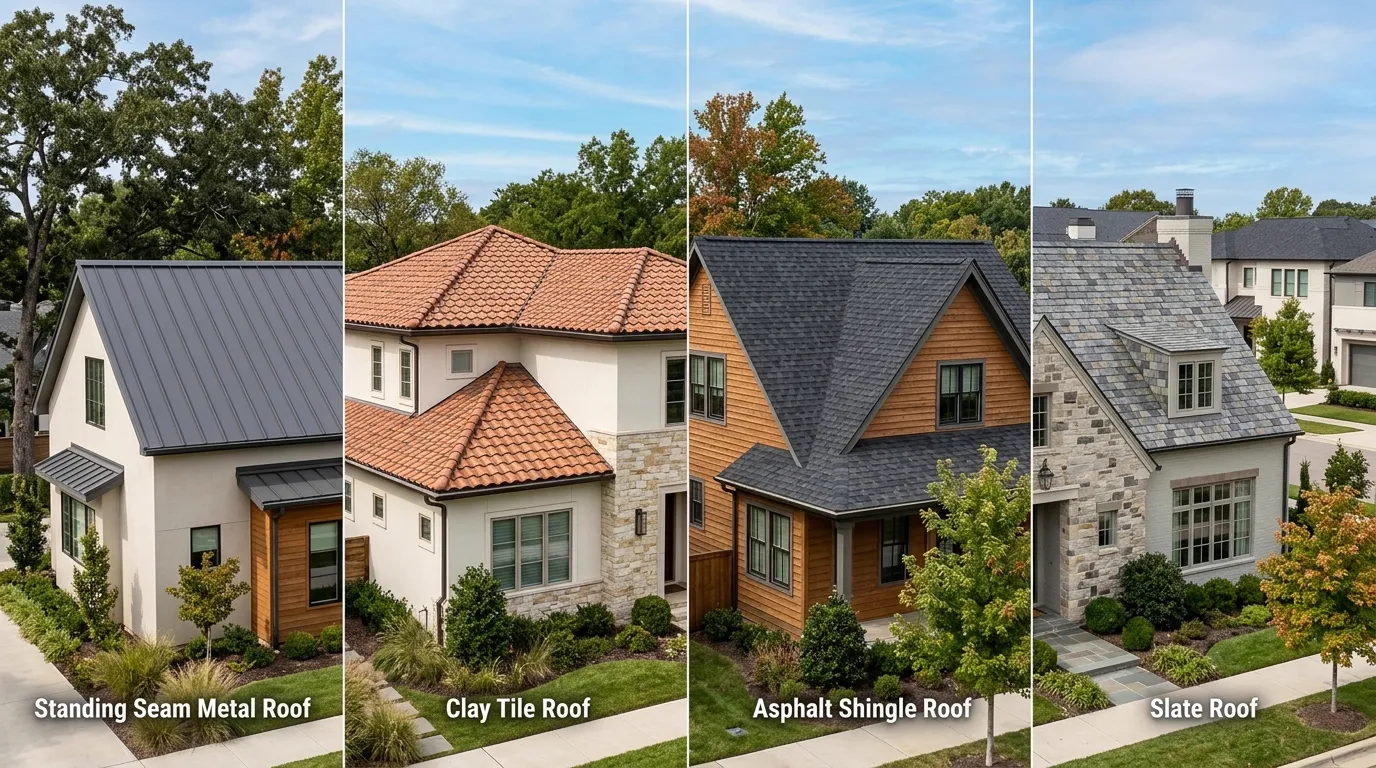
Roof Lifespan by Material: Asphalt, Metal, Tile, and Slate
Asphalt shingles, metal panels, clay tile, and natural slate each fail for different reasons and on different timelines. Here's what actually determines how long each material lasts in real conditions.
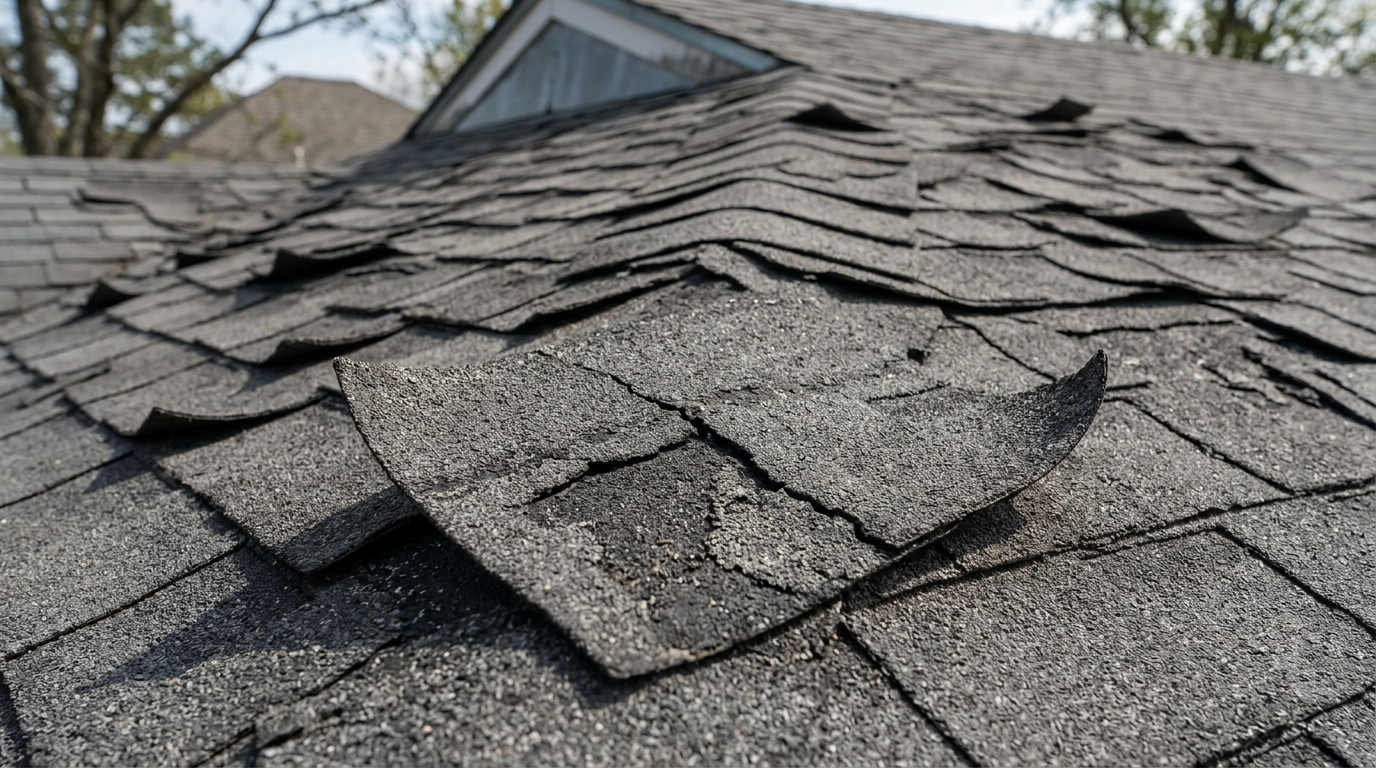
How to Tell If Your Roof Is Actually Failing
Curling shingles, granules in the gutter, light through the attic, learn which warning signs mean a repair can buy you time and which mean the clock has already run out.
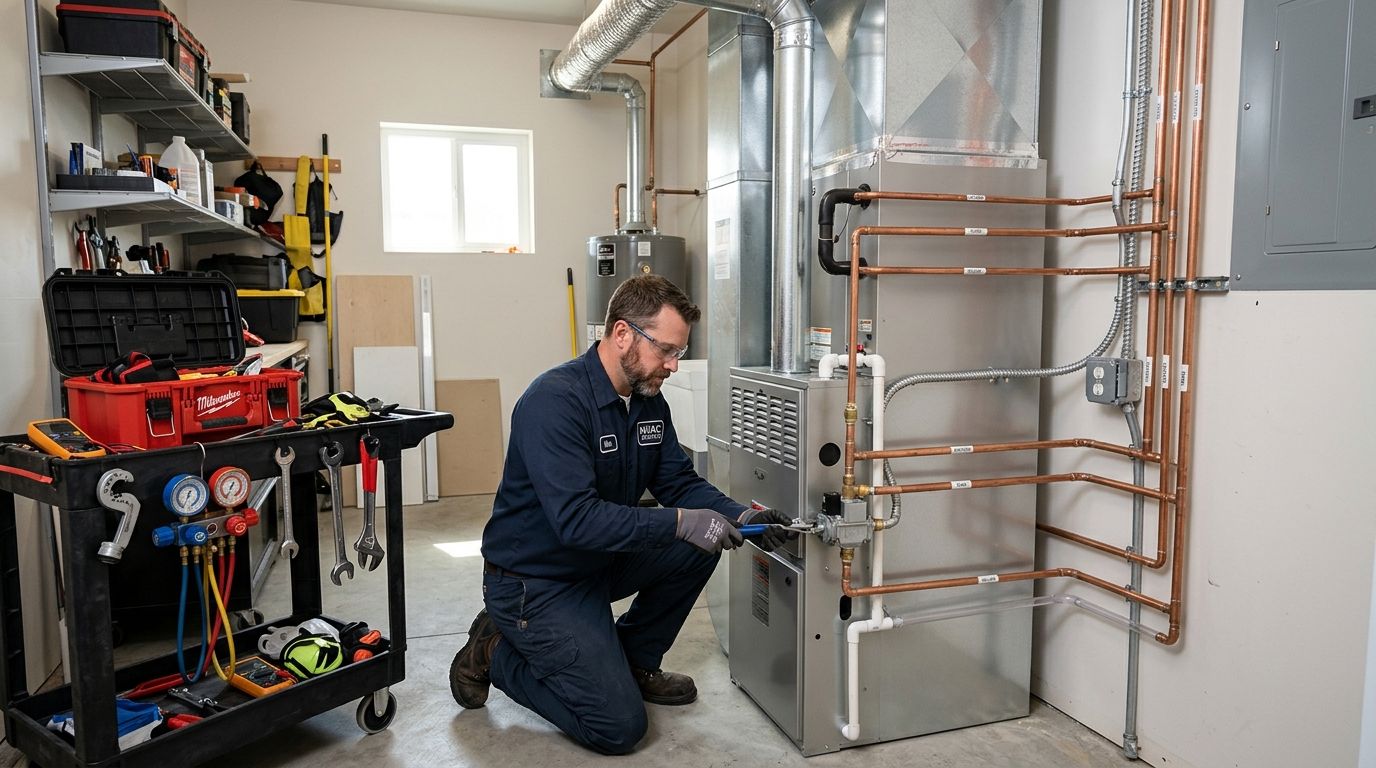
HVAC Replacement Cost: System Types, Sizing, and What Moves the Price
HVAC replacement runs $5,000–$14,000 for most homes in 2026. The price depends on system type, capacity, and ductwork condition, not just square footage. Here's what each decision costs.