How Long Does a Water Heater Last, and What Shortens That Timeline?
A standard tank water heater lasts 8 to 12 years; a tankless unit lasts 15 to 20 years. The single most effective maintenance task for a tank unit is replacing the sacrificial anode rod every three years: it's the component that protects the steel tank from corrosion. Once it's depleted, the tank typically fails within one to two years.
There's a magnesium rod inside your water heater right now that most homeowners never think about. It hangs in the tank, and mineral ions in your water attack it continuously, by design. That rod corrodes so the steel tank doesn't. When it's gone, the tank is next.
Most water heaters fail not from a sudden mechanical breakdown but from this kind of slow internal deterioration. A small pinhole from corrosion. A hairline crack in a tank that's been running hot against a sediment layer for a decade. The end usually comes fast, but the setup takes years. Understanding what's actually happening inside the unit determines whether you're caught off guard or not.
Tank water heaters last 8–12 years on average; tankless units last 15–20. Where yours falls in that range depends on water hardness, whether the anode rod gets replaced, and whether you flush sediment annually. If your tank is over 10 years old and showing any of the warning signs below, start pricing replacements, emergency water heater failures cause water damage that costs far more than a planned swap. If you're currently planning a bathroom renovation, upgrading your system now can save significant labor (see our bathroom remodel cost guide and budget with our bathroom remodel cost calculator).
What this article covers:
- The one part that determines how long a tank heater actually lasts
- Warning signs that show up before a failure, not after
- Tank vs. tankless: where the cost difference comes from and whether it's worth it
- Three maintenance tasks, in order of impact
The Part That Determines Your Heater's Real Lifespan
Inside every traditional tank heater is a sacrificial anode rod, a magnesium or aluminum core suspended in the water. Dissolved minerals in your water supply are corrosive to steel. The anode rod gives them a more reactive target, drawing the corrosive electrochemical reaction away from the tank walls.
The rod depletes over time, typically three to five years in areas with hard water, longer in areas with softer supply. Once it's consumed, corrosion shifts to the tank itself. From that point, the tank usually has one to two years before it develops a leak or fails entirely.
The fix is straightforward: inspect and replace the rod every three years. It costs $25–$40 for the part and about 45 minutes of work. This single maintenance task has more effect on a tank heater's actual lifespan than anything else you can do.
Warning Signs Worth Acting On
Most water heater failures give some warning before the tank gives out completely.
Rust-tinted hot water means the interior of the tank has begun corroding. If it appears only on hot water draws, not cold, the corrosion is in the tank or connections, not the supply line. This is a late-stage sign.
Popping or rumbling during heating cycles is sediment fracturing as it heats. The sediment layer insulates the burner from the water, causing the base metal to overheat. It shortens the remaining service life and increases gas or electricity consumption.
Moisture or mineral staining at the base of the tank. Small amounts of condensation are normal in certain conditions. Persistent wetness or white mineral deposits around the base of the unit, the drain valve, or the T&P relief valve port indicates a slow leak. Don't wait on this one.
Water that doesn't stay hot as long as it used to. As the tank's interior coating deteriorates and sediment accumulates, heat transfer to the water becomes less efficient. This often appears before other signs.
Tank vs. Tankless: What the Cost Difference Actually Buys You
A replacement tank heater runs $1,200–$2,500 installed. A tankless unit runs $2,500–$4,500. That gap is real, and so is what you get for it.
A tankless heater has no tank to corrode. It heats water on demand as it flows through a compact heat exchanger, which eliminates standby heat loss: the energy a tank heater spends continuously keeping 40–50 gallons hot. The U.S. Department of Energy estimates that tankless units can be 24–34% more energy-efficient for homes that use 41 gallons or less of hot water daily.
Source: U.S. Department of Energy, "Tankless or Demand-Type Water Heaters," energy.gov/energysaver.
The tradeoff: tankless units often require a larger gas line or a dedicated high-amperage electrical circuit, which adds to installation cost. In homes without that infrastructure already in place, the total installed cost can exceed the high end of the range above.
For most households replacing a failed tank heater under time pressure, a tank replacement is the faster, lower-cost path. For households planning ahead, the longer lifespan and lower operating cost of tankless units often justify the upfront difference over a 15-year window.
| Factor | Tank Heater | Tankless Heater |
|---|---|---|
| Installed Cost | $1,200 - $2,500 | $2,500 - $4,500 |
| Average Lifespan | 8 - 12 Years | 15 - 20 Years |
| Energy Use | Continuous (standby loss) | On-demand only |
| Hot Water Capacity | 40-50 gal stored | Unlimited (flow-rate limited) |
| Installation Complexity | Standard | May need gas line / panel upgrade |
Cost ranges from HomeCalc Pro 2026 installer data. Lifespan estimates per U.S. DOE guidance.
Three Maintenance Tasks, in Order of Impact
- Replace the anode rod every three years. This is the highest-leverage maintenance task for a tank heater. A depleted rod means the tank takes over as the sacrificial surface, and tanks don't regenerate.
- Set the thermostat to 120°F. Most units ship at 140°F. Lowering it reduces mineral scale accumulation inside the tank and at fittings. The DOE recommends 120°F as the threshold that prevents scalding while inhibiting Legionella bacteria growth.
- Test the T&P relief valve annually. Lift the lever briefly: it should discharge a burst of hot water into the overflow pipe and snap cleanly shut. If it continues to drip after testing, replace the valve. A failed T&P valve is a safety issue, not just a maintenance one.
Research Citations & Verified Authorities
EEAT CompliantTo maintain absolute calculation integrity and trust, the structural lifespans, standard sizes, and pricing models in this guide are gathered from governing construction authorities and verified trade standards.
Recommended Guides

Roof Lifespan by Material: Asphalt, Metal, Tile, and Slate
Asphalt shingles, metal panels, clay tile, and natural slate each fail for different reasons and on different timelines. Here's what actually determines how long each material lasts in real conditions.
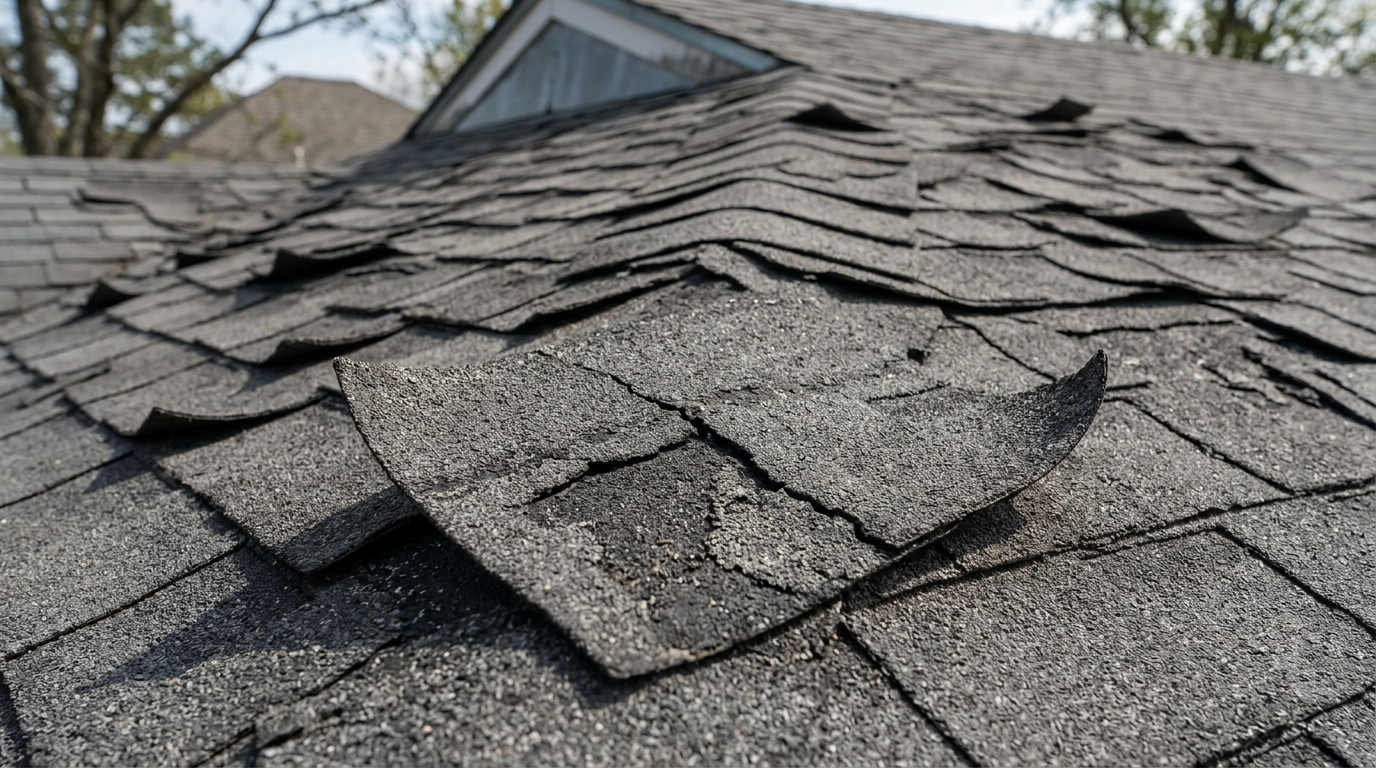
How to Tell If Your Roof Is Actually Failing
Curling shingles, granules in the gutter, light through the attic, learn which warning signs mean a repair can buy you time and which mean the clock has already run out.
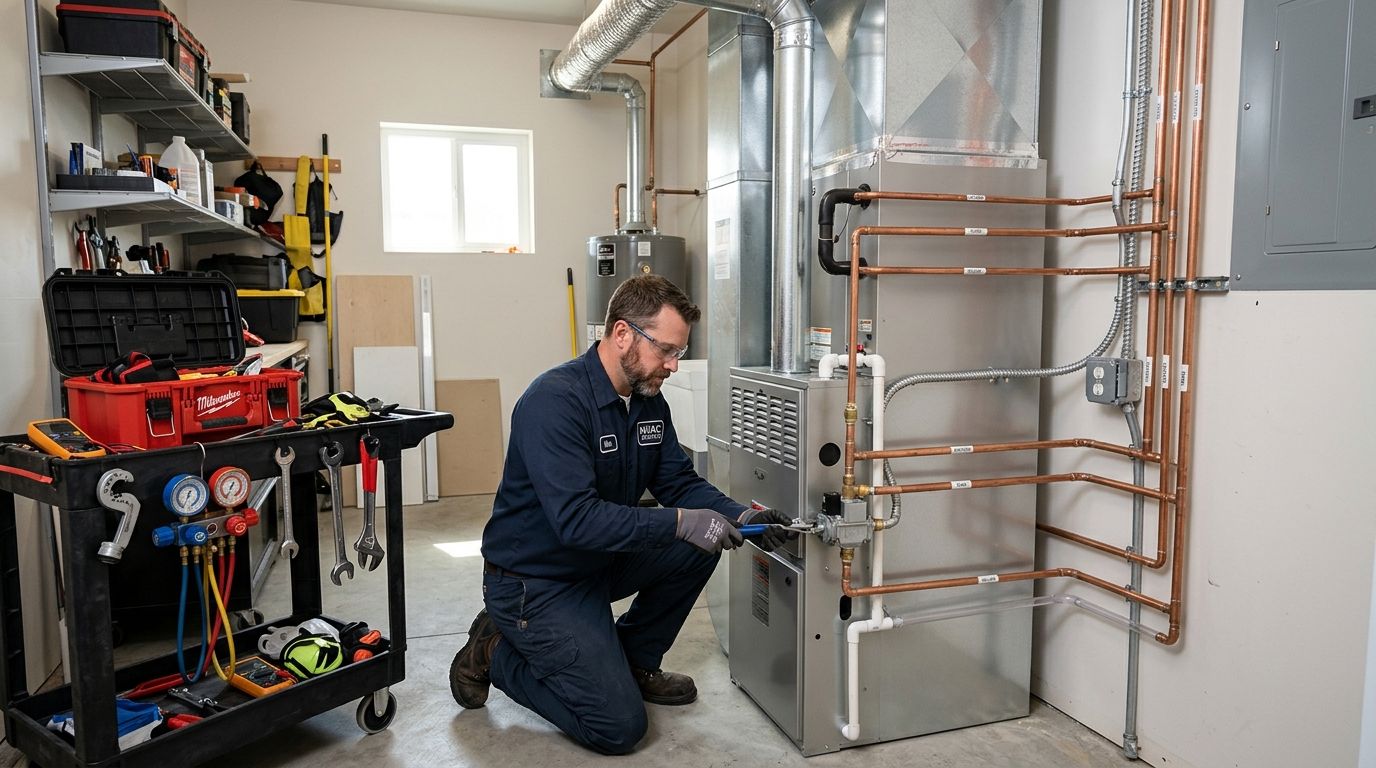
HVAC Replacement Cost: System Types, Sizing, and What Moves the Price
HVAC replacement runs $5,000–$14,000 for most homes in 2026. The price depends on system type, capacity, and ductwork condition, not just square footage. Here's what each decision costs.