Smart Thermostat Savings: What the Numbers Actually Look Like
Installing a smart thermostat in 2026 costs between $150 and $400 including professional installation. ENERGY STAR's certified smart thermostat program, which verifies savings using 12 months of real-world field data from thousands of enrolled homes, reports average energy reductions of more than 8%, translating to roughly $50 to $100 per year. Payback depends heavily on your schedule, climate, and whether your HVAC is compatible.
Pull off your old thermostat faceplate and count the wires. If you find two, you have a problem. If you find a wire labeled "C," you're in business. That two-minute inspection will tell you more about whether a smart thermostat makes sense for your home than any product review.
The retail pitch is straightforward: replace your dumb thermostat with a connected one and watch your bills drop. In certain homes, it works. In others, the device sits on the wall doing almost nothing it was designed to do. The difference isn't the brand: it's your house.
A smart thermostat costs $150 to $400 installed. ENERGY STAR's certified thermostat program, verified with actual field data from thousands of enrolled homes, reports average energy reductions of more than 8%, or $50 to $100 per year (for a comprehensive check on your home's total efficiency, see if a home energy audit is worth it). Payback runs one to four years. Heat pump owners and work-from-home households should read before they buy.
Before we go further, here's what this article covers:
- Whether the savings hold up for your specific schedule and system type
- The C-wire situation, why it stops installations cold and what your options are
- Which feature causes the most buyer regret (and how to avoid it)
- The one HVAC setup where a smart thermostat can actually cost you more
The Homes That Save the Most
Smart thermostats work by cutting energy use when the house is empty. The more hours per day your home sits unoccupied, the more the device has to work with.
If you leave for work at 8 a.m. and return at 5 p.m., Monday through Friday, a properly configured smart thermostat can bring your heating and cooling down to minimum levels for nine hours a day. That runtime reduction is where the savings come from.
Savings will be minimal if: someone is almost always home (the thermostat rarely enters away mode), you already use a programmable thermostat on a schedule, or you heat with a heat pump (refer to our heat pump vs central AC guide to see how these systems heat, and budget potential upgrades using our HVAC replacement cost calculator). That last one matters more than most people realize.
If you heat with a heat pump, large temperature setbacks can cost you more than they save. When a heat pump needs to raise indoor temperature by more than two degrees at once, it activates auxiliary electric heat strips, and those are expensive to run.
Geofencing: The Feature Most People Turn Off
Geofencing tracks your phone's location and adjusts the thermostat automatically when you leave or return. In the right household, it's seamless. In most households, it creates problems within the first month.
If one person works from home, the thermostat never enters away mode. If your office is a mile away, you never exit the geofence boundary. If your partner doesn't carry a smartphone, the system only tracks one of you. Any of these situations will eliminate the feature's benefit entirely.
The practical fix: disable geofencing and set a manual weekday schedule instead. Most households get 80% of the potential savings that way, without the GPS complications.
What You'll Pay, and Why the Range Is Wide
Equipment runs $80 to $250 depending on the model. Professional installation adds $80 to $120. The total, $150 to $400, assumes your wiring cooperates.
| Smart Thermostat Feature | Entry-Level Smart | Premium Smart (Nest/Ecobee) |
|---|---|---|
| Equipment Cost | $80 - $130 | $170 - $250 |
| Professional Install | $80 - $120 | $80 - $120 |
| C-Wire Requirement | Yes (Or adapter kit) | Yes (Power extender included) |
| Est. Annual Savings | $50 - $80 / yr | $75 - $100 / yr |
| Average Payback Period | 14 - 28 Months | 24 - 48 Months |
Cost ranges based on HomeCalc Pro 2026 installer data. Annual savings estimates derived from ENERGY STAR's smart thermostat certification dataset (field-verified, 12-month program data). Individual results vary by home size, climate, occupancy pattern, and HVAC system type.
Notice the payback gap: premium models cost nearly twice as much upfront but only save $25 more per year. That means an extra 20 months before you break even. For most buyers, the entry-level option is the smarter financial call.
Electric baseboard heaters change this math entirely. A standard smart thermostat won't work with line-voltage systems without specialized high-voltage relays, which can add $200 to $400 to your installation. Factor that in before purchasing.
Do You Have a C-Wire?
Old thermostats ran on AA batteries and acted as simple switches. Smart thermostats are small computers with Wi-Fi chips and color touchscreens. They need constant 24-volt power, delivered through a C-wire (Common wire).
Many older homes don't have one, especially those wired when digital thermostats weren't on anyone's radar. Pull off your thermostat faceplate: if you see only two or four wires with no label marked "C," you can't simply plug in a smart unit.
Three paths forward if you lack a C-wire:
- Install the add-a-wire adapter included with premium Ecobee units, which requires opening your furnace cabinet. It's a 20-minute job for someone comfortable with basic tools.
- Buy a thermostat designed to run without a C-wire by drawing small amounts of current from your heating circuit. This works, but it can degrade modern furnace control boards over years, a tradeoff rarely mentioned in product listings.
- Hire an electrician to run a fresh 18/5 wire bundle from the furnace. This is the cleanest solution and runs $150 to $300 in labor.
Check This Before You Buy
- Verify your system type. Smart thermostats work with gas furnaces, central AC, and heat pumps. They don't work with electric baseboard heaters without expensive relays.
- Count your wires. Remove the faceplate and count the low-voltage wires. You need at least three (R, W, C) for basic heating. Fewer than four total warrants a compatibility check before you purchase.
- Check your household's phone situation. Geofencing requires everyone in the house to have a smartphone and agree to share location. If that's not realistic, plan for a scheduled program instead.
If your home is empty most of the workday and you're currently using a manual thermostat, the math works in your favor. Plug your square footage and climate zone into our HVAC Cost Calculator to estimate how a smart thermostat fits into your broader energy budget.
Research Citations & Verified Authorities
EEAT CompliantTo maintain absolute calculation integrity and trust, the structural lifespans, standard sizes, and pricing models in this guide are gathered from governing construction authorities and verified trade standards.
Recommended Guides
Why Your Electric Bill Is So High This Summer
Utility rates are up, heat domes are lasting longer, and your AC is working harder than it used to. Here's how to figure out which of those three is actually driving your bill.
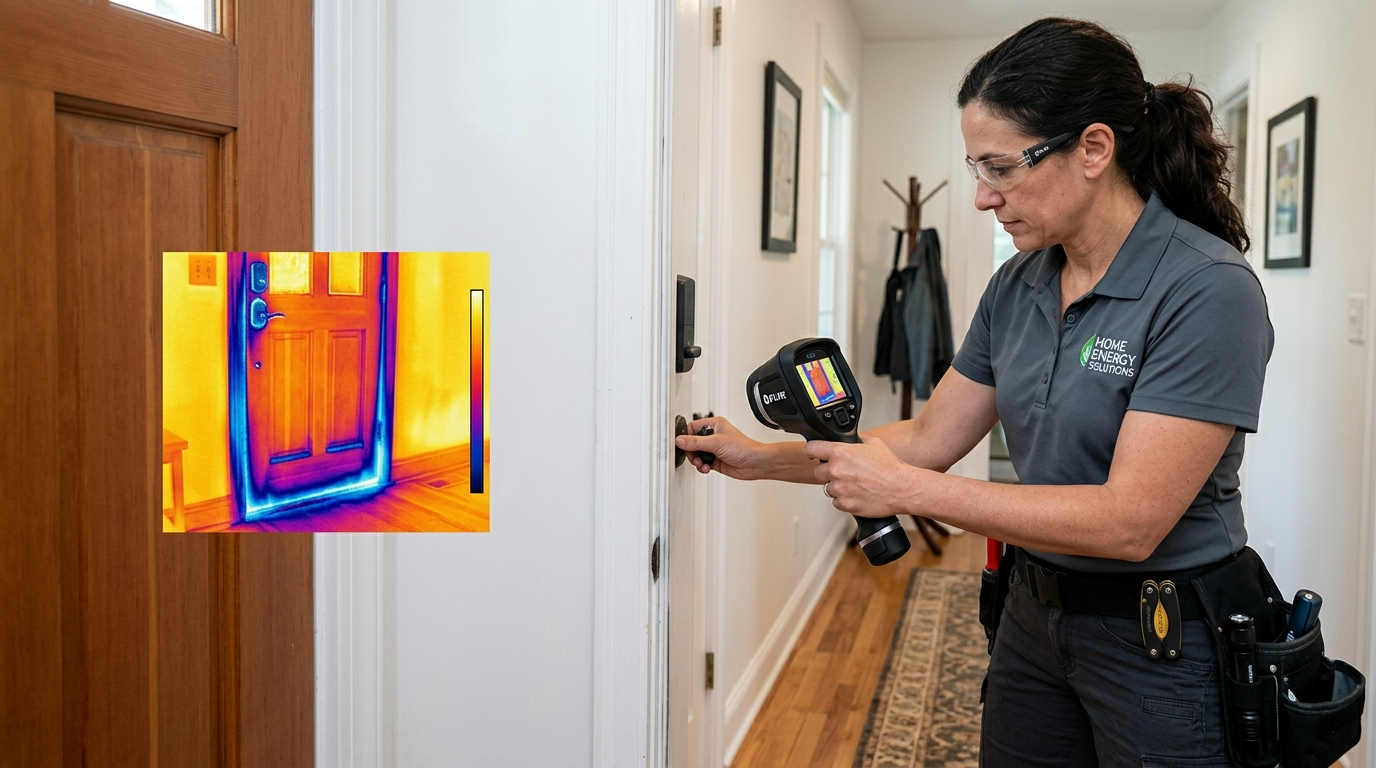
Home Energy Audits: What They Test, What They Find, and How the Federal Tax Credit Works
A professional home energy audit uses blower door testing and thermal imaging to quantify air leakage and identify insulation deficiencies. The Section 25C federal tax credit covers 30% of the cost, up to $150.
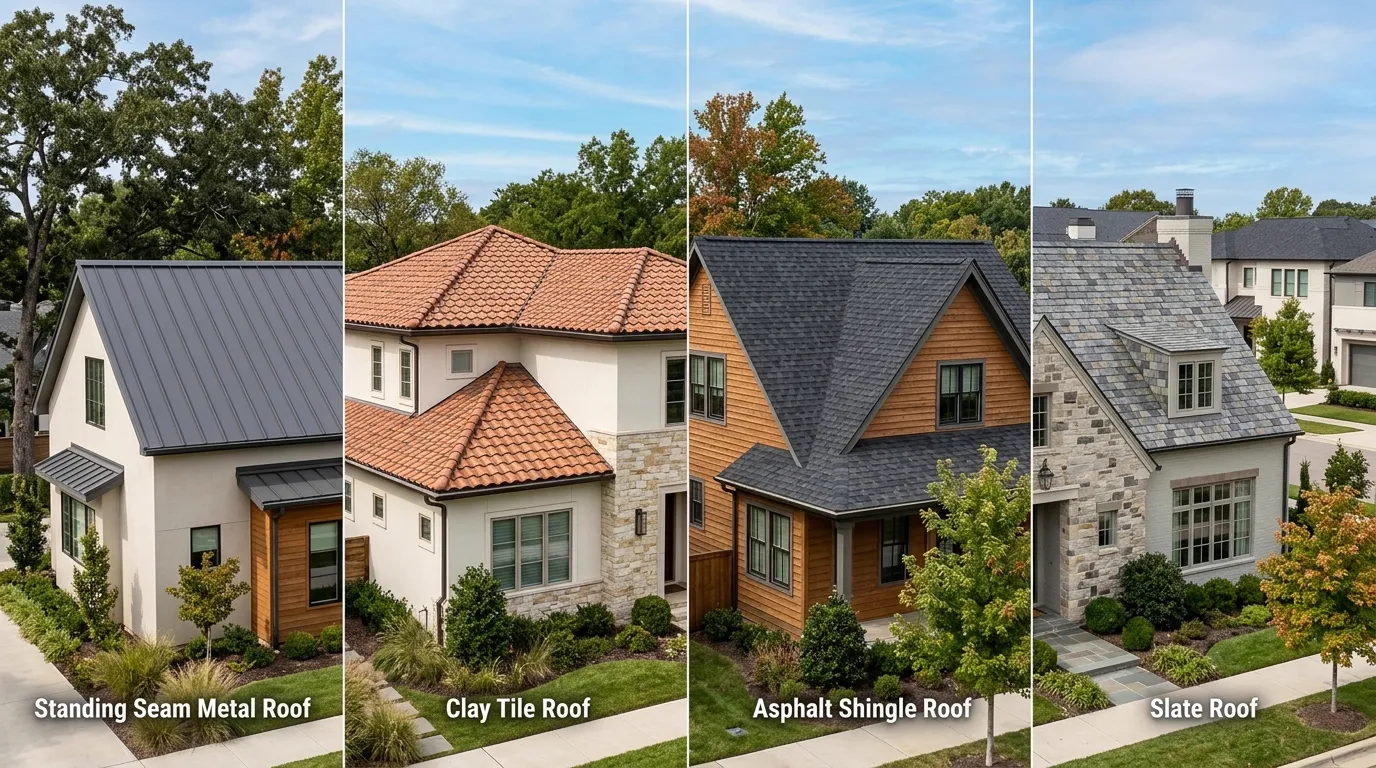
Roof Lifespan by Material: Asphalt, Metal, Tile, and Slate
Asphalt shingles, metal panels, clay tile, and natural slate each fail for different reasons and on different timelines. Here's what actually determines how long each material lasts in real conditions.