Home Energy Audits: What They Test, What They Find, and How the Federal Tax Credit Works
A professional energy audit costs $250–$600 and measures your home's total air leakage under controlled negative pressure using a blower door test. The resulting report identifies specific infiltration sources, duct losses, and insulation gaps with quantified data, not visual estimates. The Section 25C Inflation Reduction Act tax credit covers 30% of audit costs up to $150. Find a certified auditor through the Building Performance Institute (BPI) or RESNET directory.
A home energy audit is a diagnostic assessment, not a sales pitch. A certified auditor measures how much air your building envelope loses under standardized test conditions, identifies where that loss is occurring, and quantifies what your HVAC system is doing to compensate for it. The output is a written report with specific recommendations, not a list of upgrades to sell you.
The core test that distinguishes a professional audit from a visual inspection is the blower door test. Without it, infiltration estimates are approximations. With it, you have a measured number: total air leakage in cubic feet per minute at -50 pascals, which can be translated to a building-level metric and compared against code requirements and efficiency targets.
Professional audits run $250–$600. The Section 25C tax credit (Inflation Reduction Act) covers 30% of audit costs, capped at $150 per year, effectively making most audits cost $175–$450 after the credit. Certified auditors are listed through BPI (bpi.org) and RESNET (hersindex.com). The audit produces a prioritized upgrade list with estimated payback periods, enabling you to focus spending on the highest-return measures first.
Tax credit information per IRS Section 25C as updated by the Inflation Reduction Act of 2022. Confirm current eligibility with a tax professional.
What this article covers:
- How the blower door test works and what CFM50 and ACH50 mean
- What a professional audit finds that a DIY inspection misses
- How to claim the Section 25C tax credit
- Which upgrades typically have the fastest payback after an audit
How the Blower Door Test Works
The auditor mounts a calibrated fan into an exterior doorway using a metal frame and flexible panel. When the fan runs, it draws air out of the house, creating a negative pressure differential between the interior and exterior. The standard test pressure is -50 pascals (Pa) relative to outdoor air, which roughly corresponds to the pressure differential created by a 20 mph wind hitting all sides of the building simultaneously.
Under this depressurization, outside air pushes through every gap, crack, and penetration in the building envelope. The auditor measures how much airflow the fan must maintain to hold the pressure constant. This measurement, in cubic feet per minute at 50 pascals (CFM50), represents the cumulative size of all air leakage paths in the entire home.
What a Professional Audit Finds That a DIY Inspection Misses
- Recessed light infiltration: Older IC-rated recessed fixtures (common in homes built before 2000) are not airtight. Each fixture is essentially a hole in the ceiling communicating with the attic. Under blower door pressure, the auditor can feel or visualize air movement at each one.
- Top plate bypasses: The space between interior wall framing and the attic is a major but largely invisible infiltration path. It's not accessible for inspection without the pressure differential the blower door creates.
- Duct leakage: A separate duct blaster test pressurizes the duct system and measures total duct leakage. DOE research indicates that typical duct systems lose 20–30% of conditioned air to leakage in unconditioned spaces. This is a separate measurement from whole-house air leakage.
- Combustion safety: When the home is depressurized, the auditor tests whether combustion appliances (furnace, water heater) backdraft, meaning exhaust gases are drawn back into the living space rather than venting correctly. This is a safety test, not just an efficiency one.
- Insulation deficiencies: A thermal imaging camera used during the blower door test visualizes temperature differentials at the wall and ceiling surface, identifying areas where insulation is absent, compressed, or moisture-damaged.
The Section 25C Tax Credit
The Inflation Reduction Act of 2022 updated the Section 25C Energy Efficient Home Improvement Credit to cover home energy audits performed by a certified auditor. The credit is 30% of the audit cost, with a cap of $150 per tax year. There is no income limit for the 25C credit.
The credit applies to audits performed by a qualified home energy auditor. BPI-certified (Building Performance Institute) and RESNET-certified auditors meet this qualification. Ask for the auditor's certification number at booking: you'll need to include it with your tax filing. IRS Form 5695 is used to claim the credit. Confirm current requirements with a tax professional, as credit terms can change with subsequent legislation.
The 25C credit also covers other efficiency upgrades in the same year: insulation (30%, up to $1,200; see our attic insulation guide), heat pumps (30%, up to $2,000; see our heat pump vs AC comparison), windows (30%, up to $600), and exterior doors (30%, up to $250). The audit identifies which upgrades are warranted; the tax credits offset a portion of the cost.
Which Upgrades Have the Fastest Payback After an Audit
Audit reports typically rank recommendations by estimated payback period. Per DOE guidance, air sealing and attic insulation consistently produce the shortest payback periods, often 3–7 years, because they reduce both heating and cooling loads year-round. The cost per unit of improvement is lower than most other upgrades.
HVAC replacement has a longer payback period because the efficiency gain is smaller relative to the upfront cost when replacing a system that's still functional. Window replacement typically has the longest payback (15–25 years) when justified purely on energy savings: the primary benefit of window replacement is comfort (reduced drafts and radiant discomfort), not energy cost reduction. If you're interested in evaluating long-term renewable savings, check out our solar savings calculator.
To find a certified home energy auditor in your area, use the directory at bpi.org or hersindex.com. Request a copy of the blower door test data and CFM50 reading with your written report.
Research Citations & Verified Authorities
EEAT CompliantTo maintain absolute calculation integrity and trust, the structural lifespans, standard sizes, and pricing models in this guide are gathered from governing construction authorities and verified trade standards.
Recommended Guides
Why Your Electric Bill Is So High This Summer
Utility rates are up, heat domes are lasting longer, and your AC is working harder than it used to. Here's how to figure out which of those three is actually driving your bill.
Smart Thermostat Savings: What the Numbers Actually Look Like
Before you spend $150 to $400 on a smart thermostat, understand when the savings are real, when they're not, and what the C-wire problem means for your specific home.
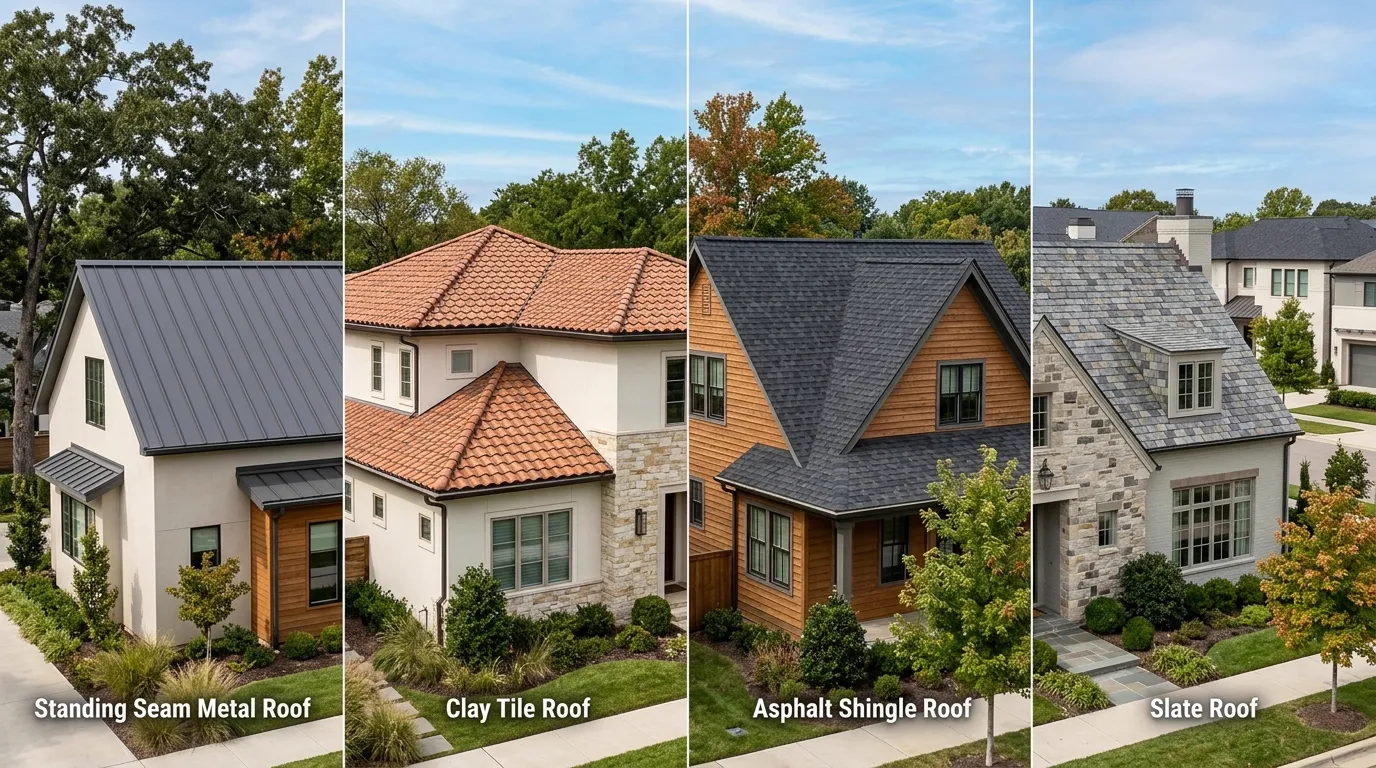
Roof Lifespan by Material: Asphalt, Metal, Tile, and Slate
Asphalt shingles, metal panels, clay tile, and natural slate each fail for different reasons and on different timelines. Here's what actually determines how long each material lasts in real conditions.